

Animal Encounters
Get up close with your favourite Zoo residents in Sydney and Dubbo.
Discover Dubbo
Discover Sydney
Scientific nameRhinoceros unicornis
Conservation status (IUCN)
Vulnerable
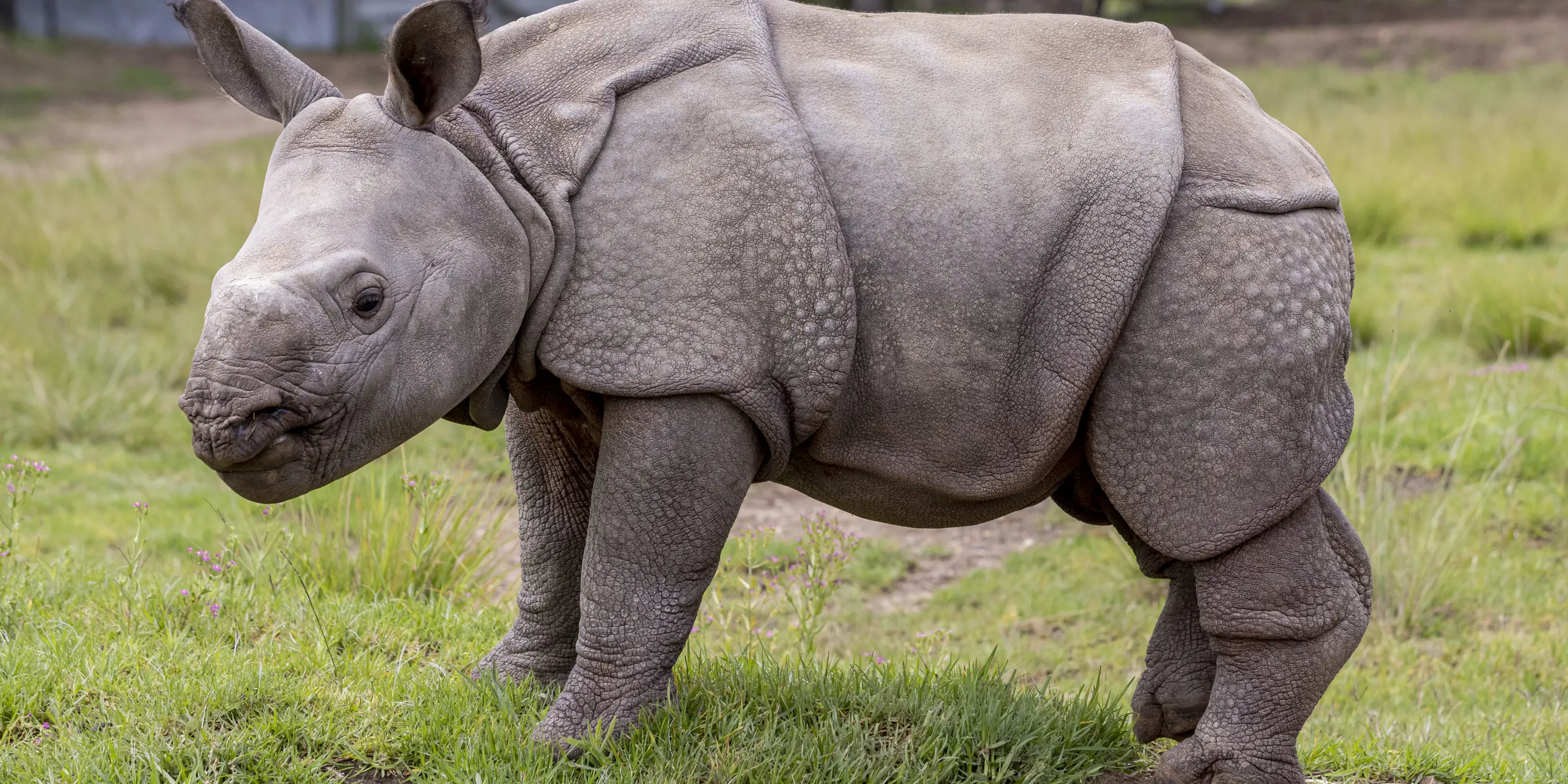
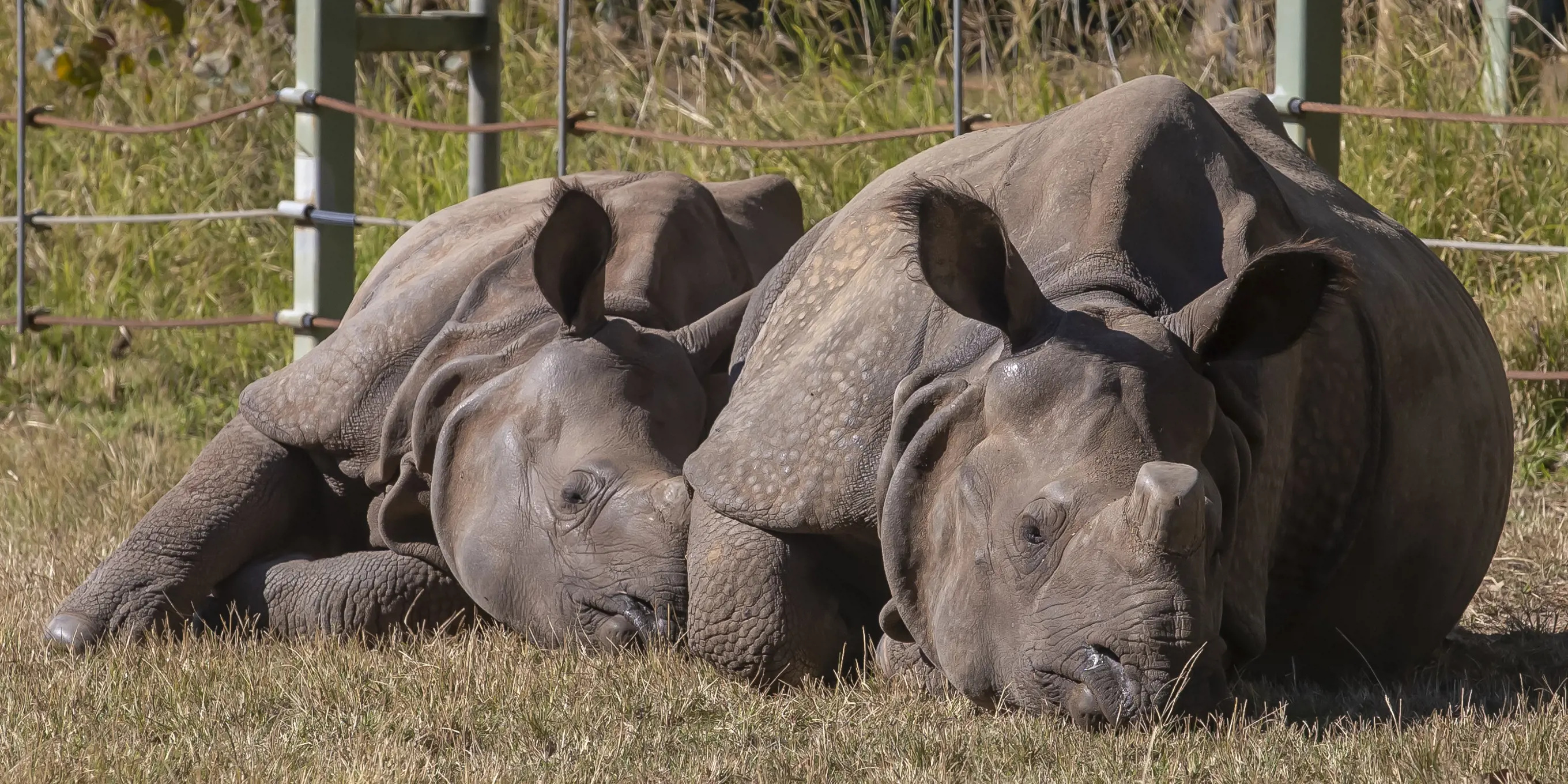
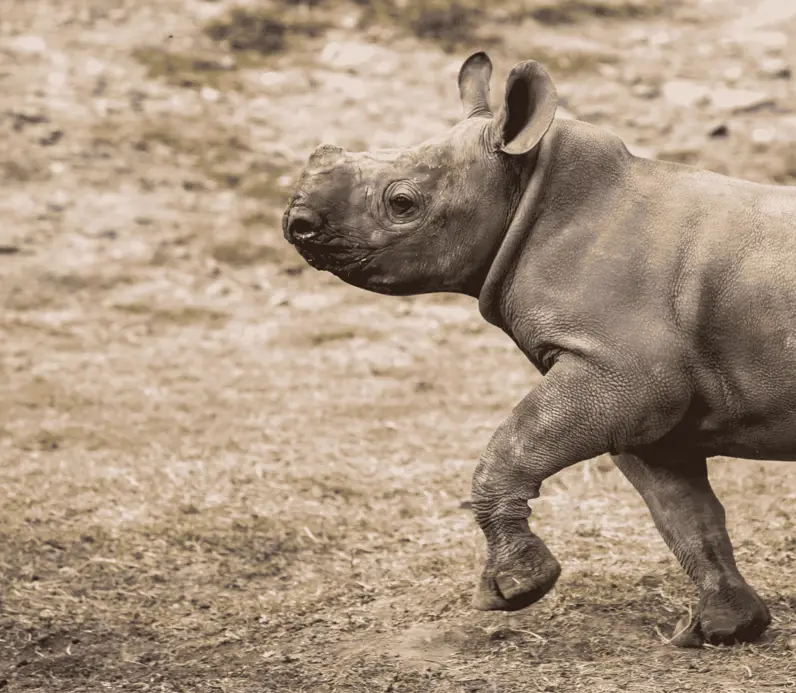
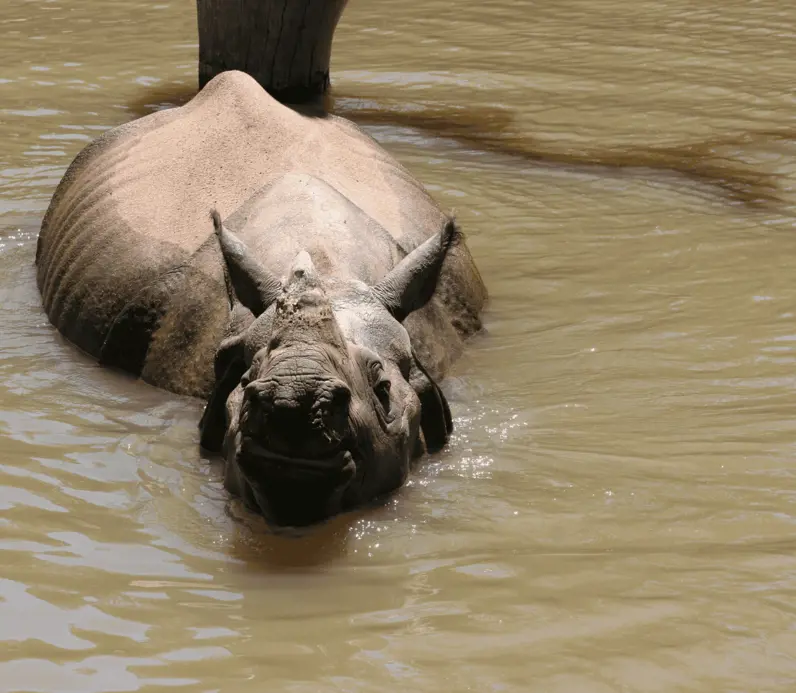
The Greater One-horned Rhinoceros, or Indian Rhino, is a gentle giant that grazes on grasses in the wetlands of the Himalayan foothills. These real-life unicorns were hunted to the brink of extinction but are now recovering through conservation action.
Hari, the Greater One-horned Rhino can be seen in Palm Plaza at the start of the Rainforest Trail.
Keeper Talk

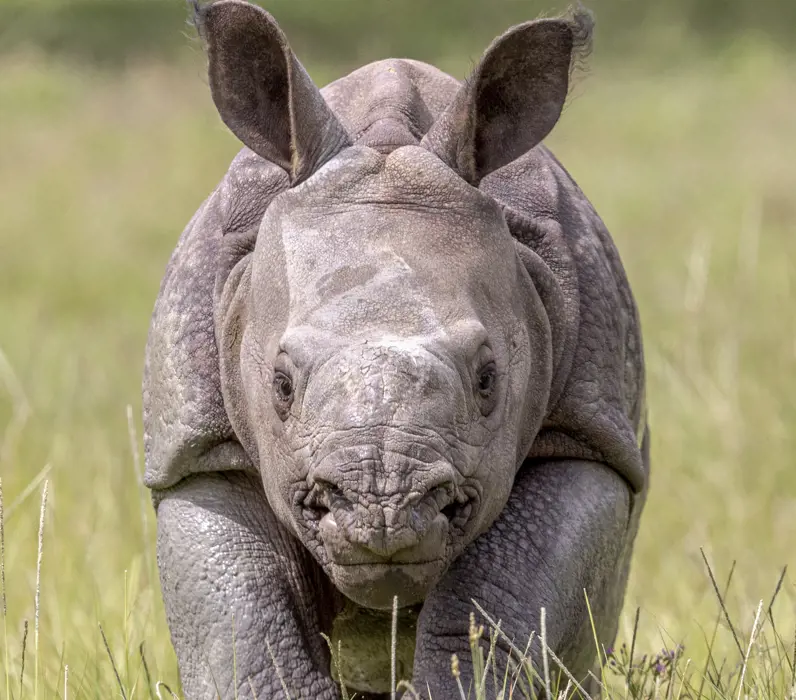

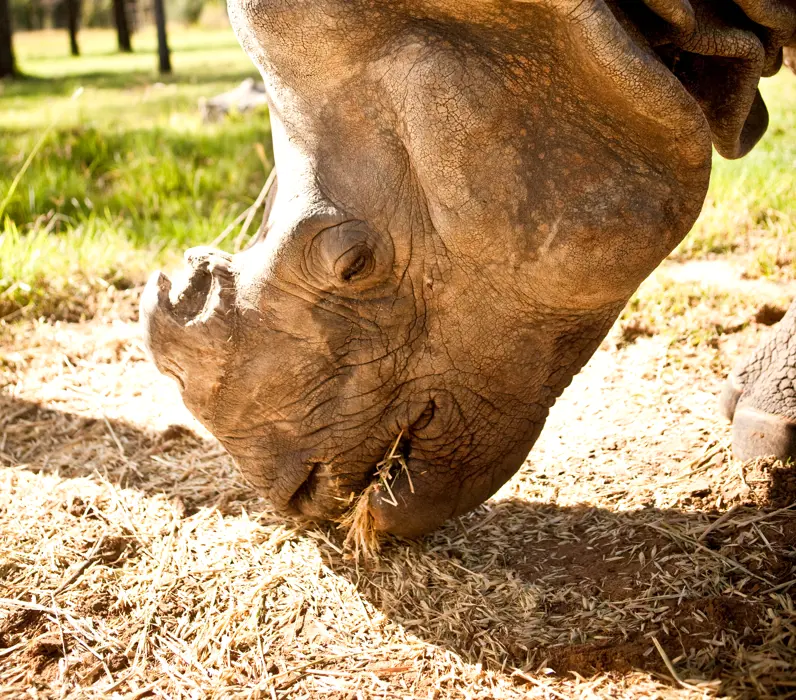
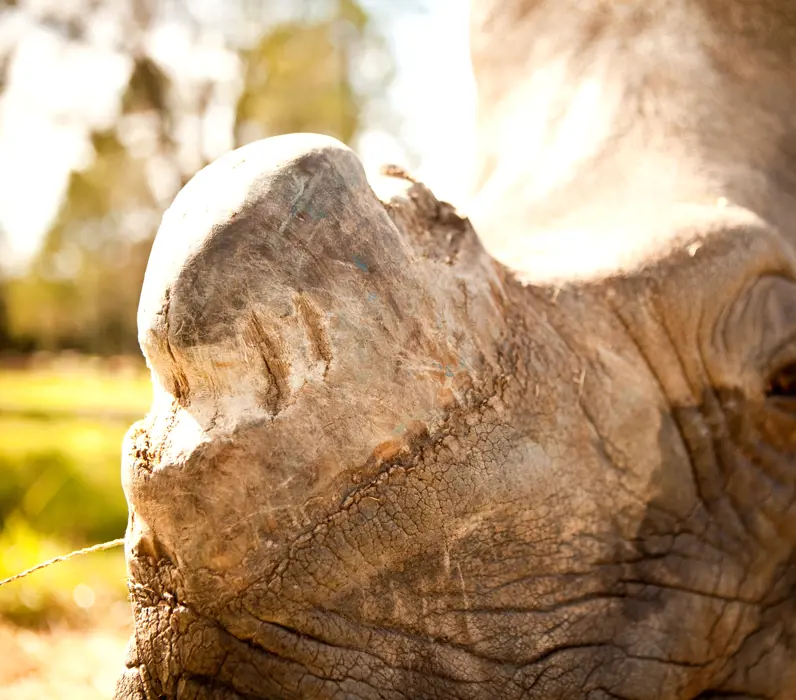

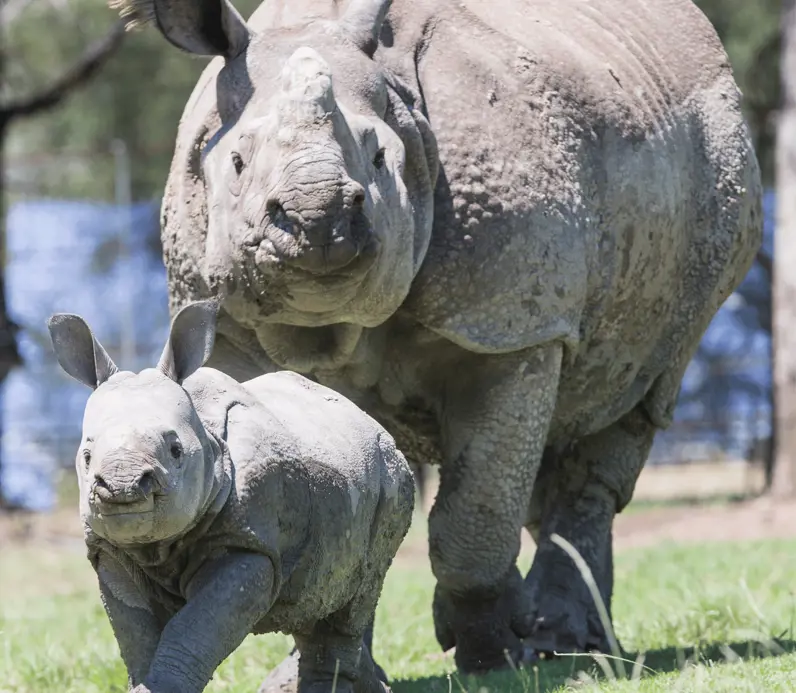
We bet you didn't know these facts about these radical rhinos.

Scroll across to reveal Greater One-horned Rhinos facts.
Taronga contributes to an Australasian Species Management Program and/or international breeding program for this species. This helps maintain healthy and resilient zoo-based animal populations by preserving genetic diversity, supporting animal husbandry knowledge, and ensuring exceptional animal welfare, safeguarding the species for the future.
Conservation status (IUCN)
Vulnerable
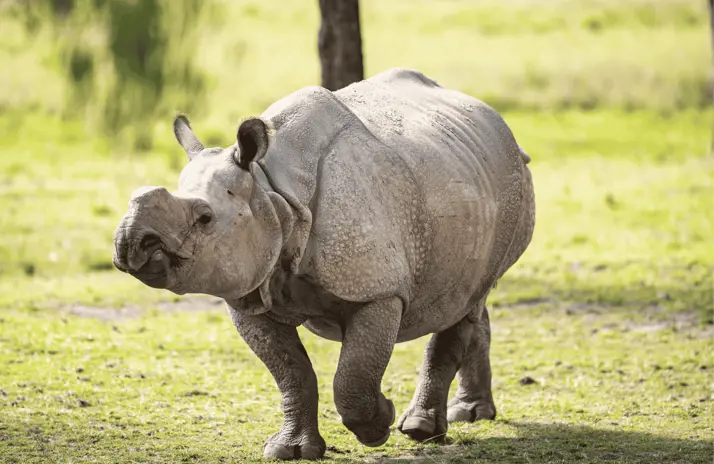
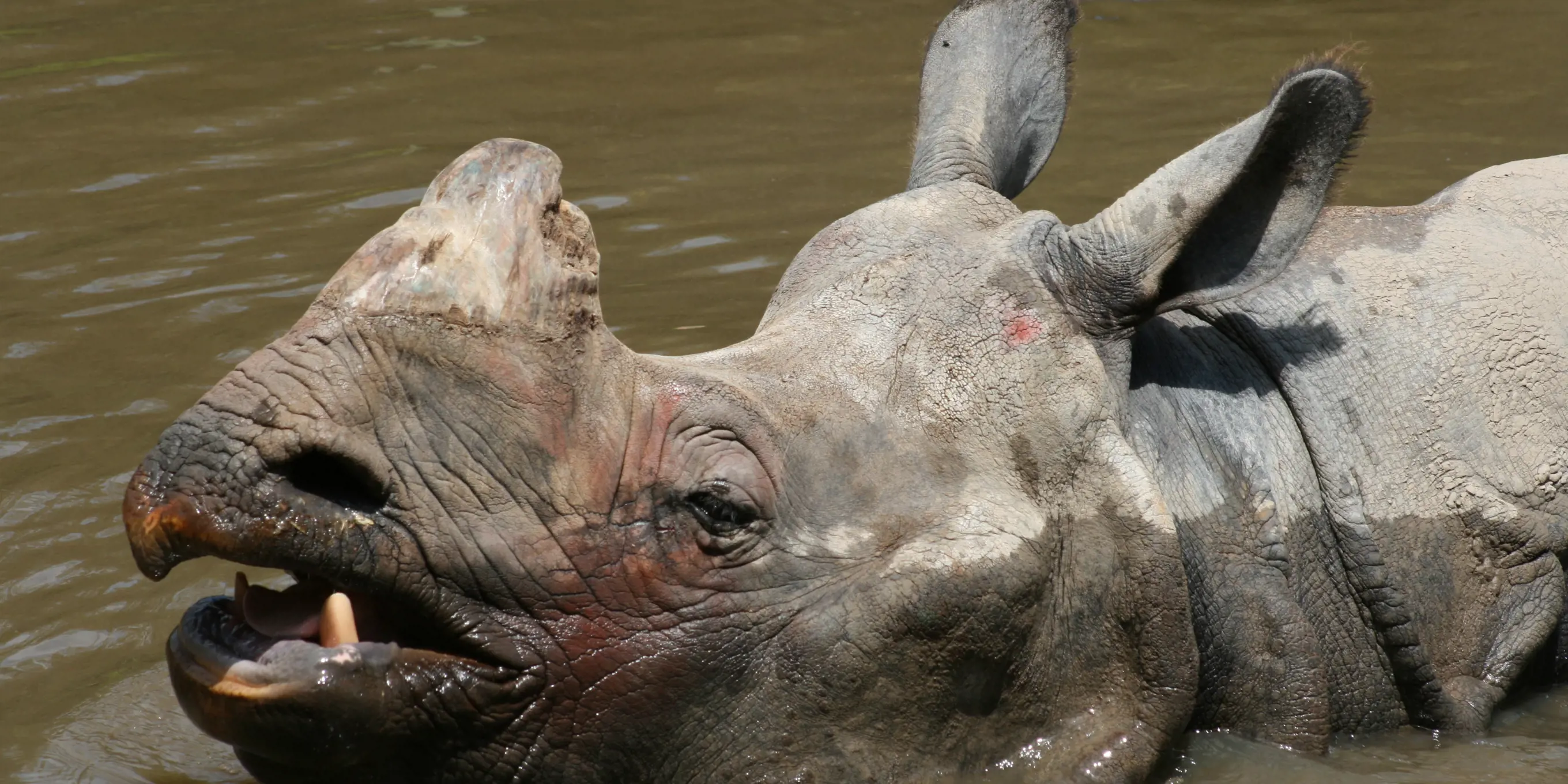
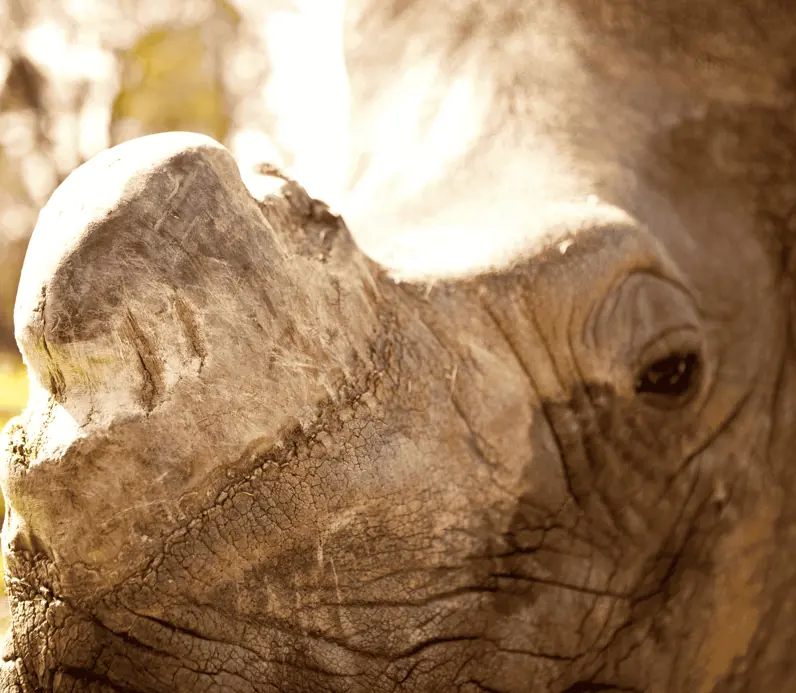
The Greater One-horned Rhinoceros, also known as the Indian Rhinoceros, is one of the two rhinos with a single horn, along with the Javan Rhino. The other three rhino species have two horns. This rhino’s scientific name is Rhinoceros unicornis, which means one-horned nose.
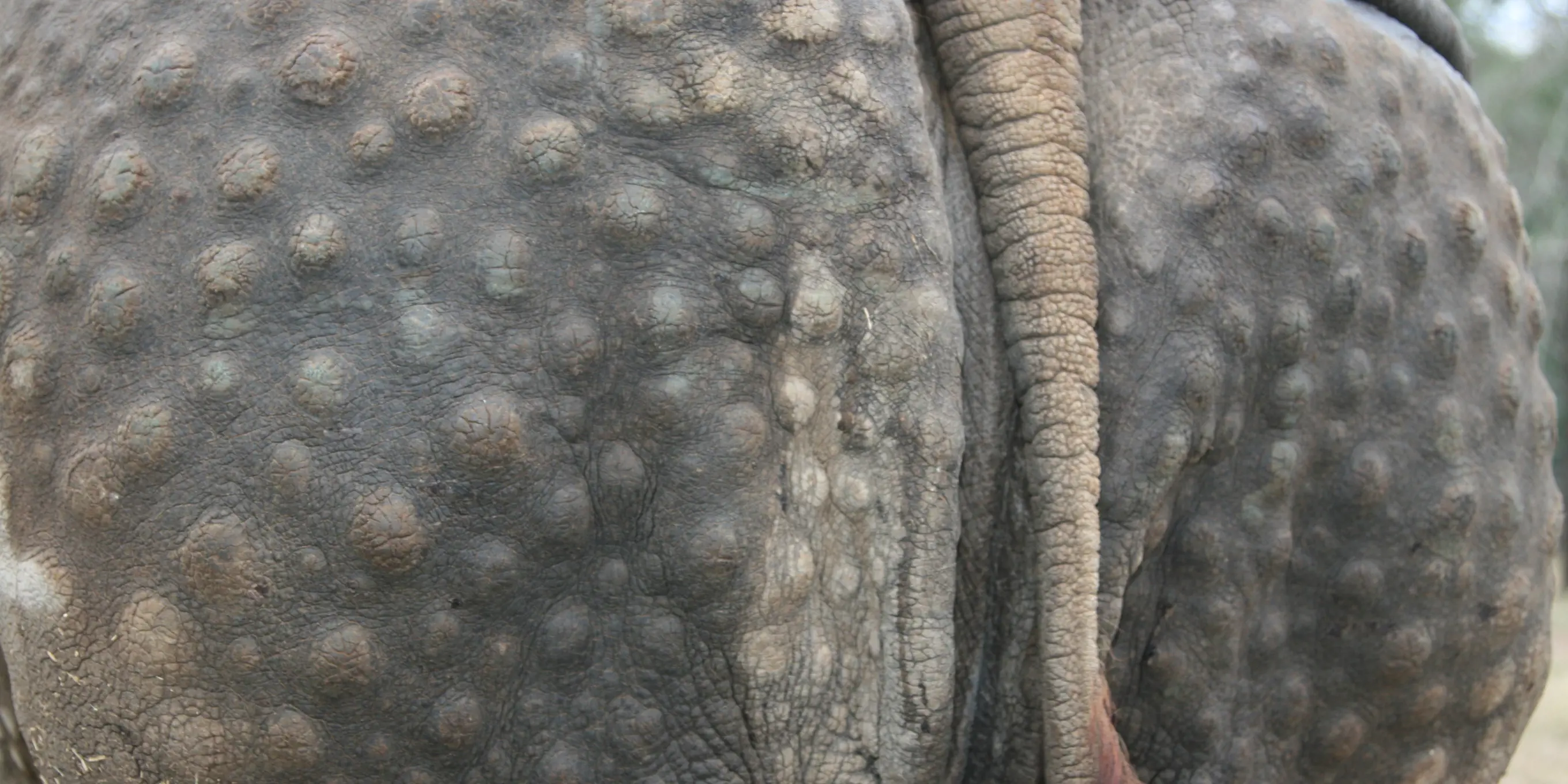
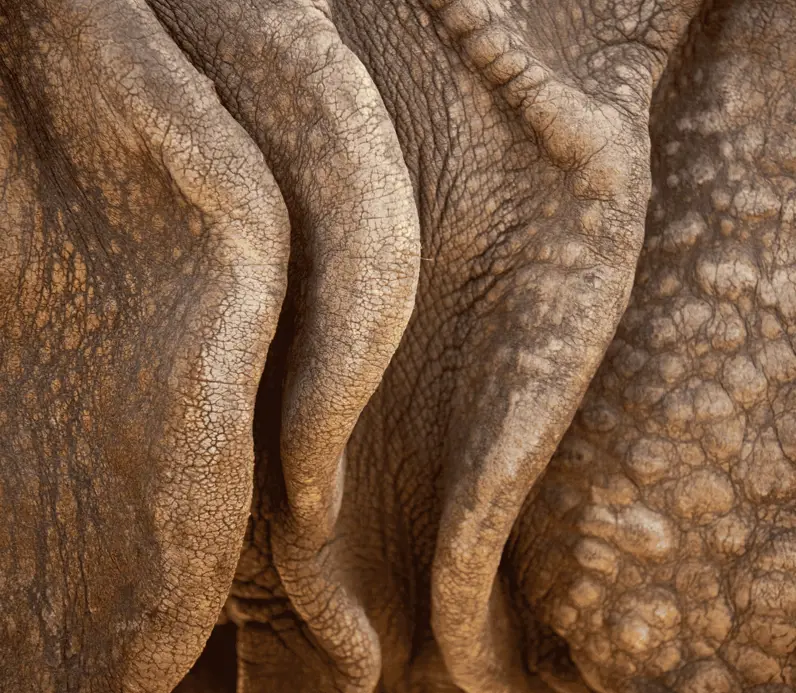
These rhinos have thick folded skin that have been compared to formidable plates of Medieval armour. Males use sharp tusk-like teeth – not their horn – to fight for mates and territory. Their tough skin, which can be up to 4cm thick along their back, not only provides protection during these battles but also helps regulate body temperature, keeping them cool in the heat.
All rhino species are illegally poached for their horns, which are believed to have medicinal value. The horns are made from keratin, the same material as your fingernails, and have no proven medical value. This false belief, however, has pushed all five rhino species towards extinction.
Discover educational resources for kindergarten to year 6.
Taronga actively supports conservation efforts for wild rhinos in Africa, Indonesia, and India, in partnership with the International Rhino Foundation for anti-poaching and wildlife protection units, habitat protection and restoration, and expertise in veterinary care and reproduction to ensure all rhino species continue to survive in the wild.

Get up close with your favourite Zoo residents in Sydney and Dubbo.
Discover Dubbo
Discover Sydney
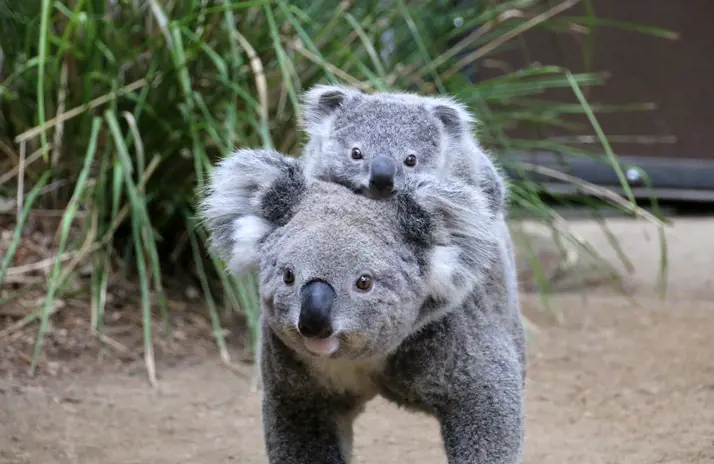
Become a Zoo Parent and make your contribution to precious wildlife.
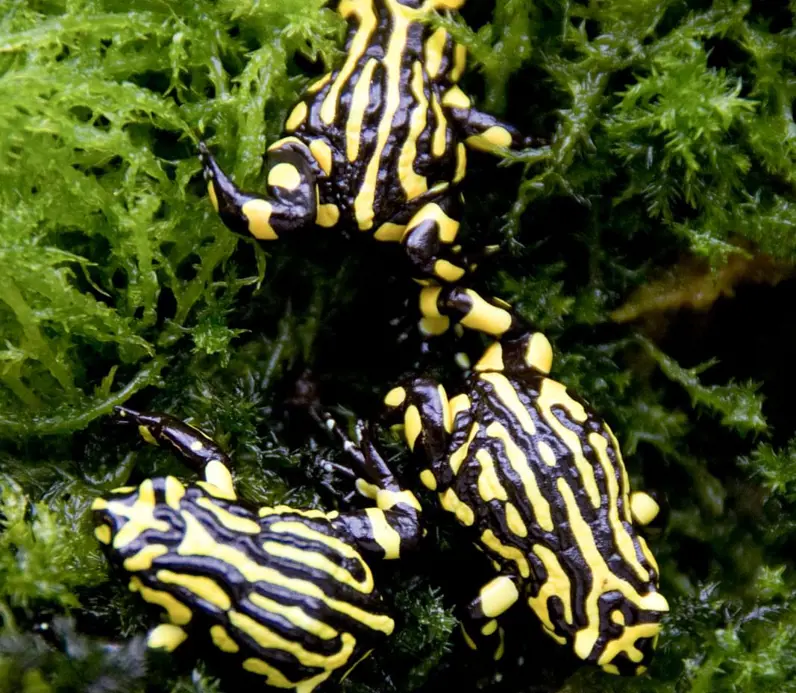
Learn about Taronga's Conservation Programs.