Animal Encounters
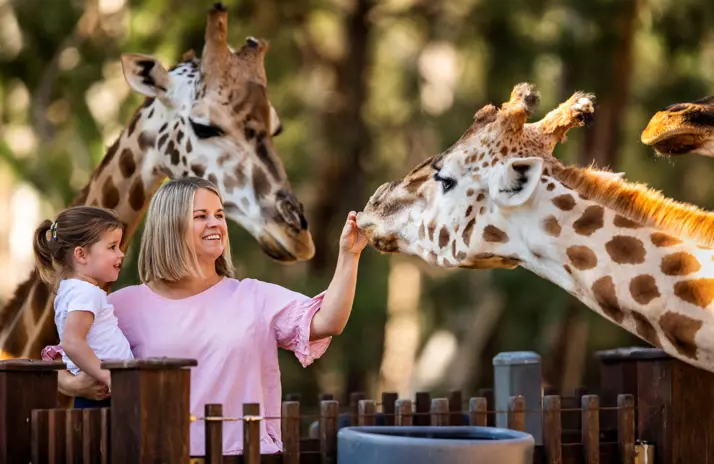
Get up close with your favourite Zoo residents in Sydney and Dubbo.
Discover Dubbo
Discover Sydney
Scientific nameHydrochoerus hydrochaeris
Conservation status (IUCN)
Least Concern
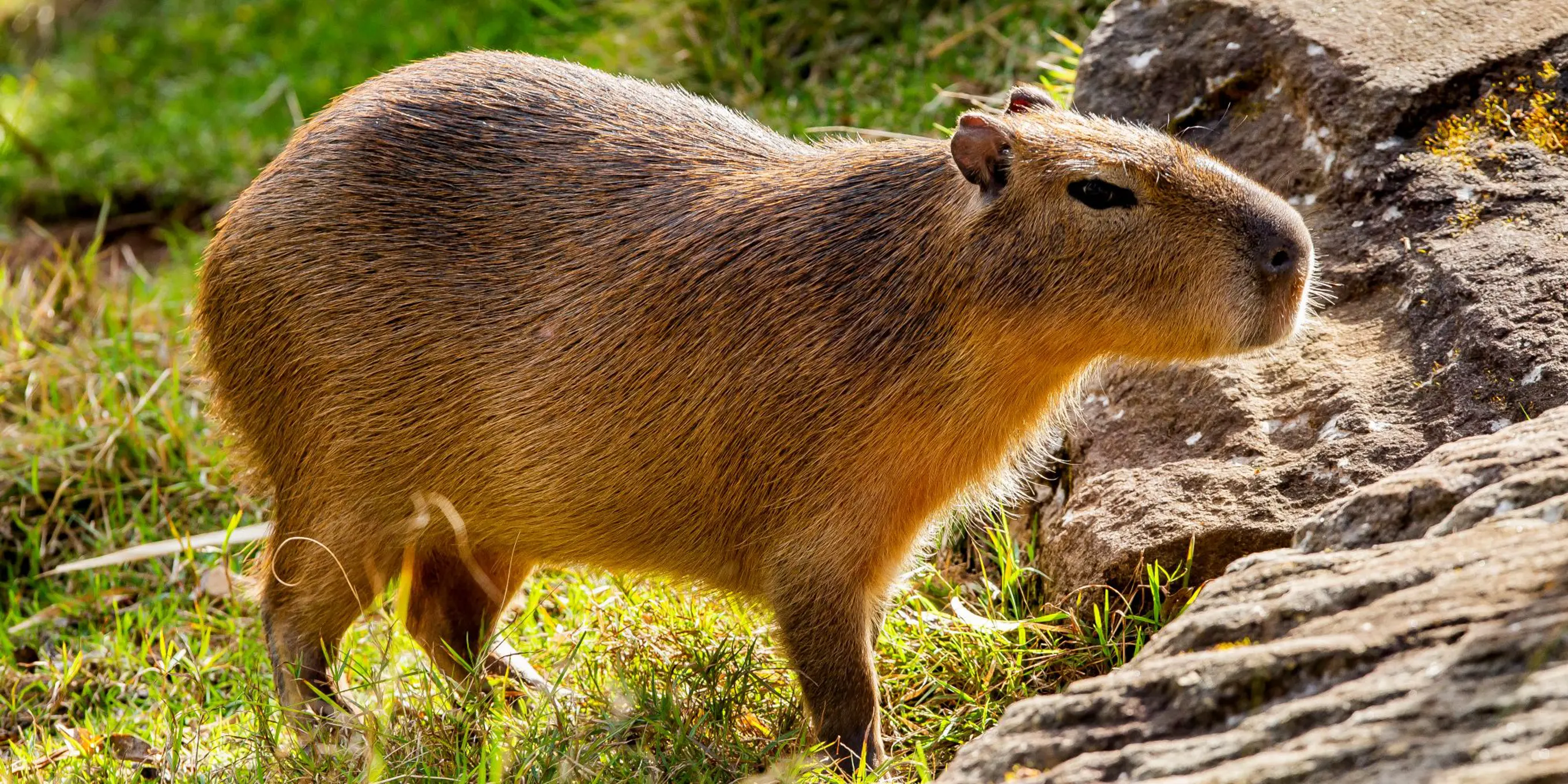
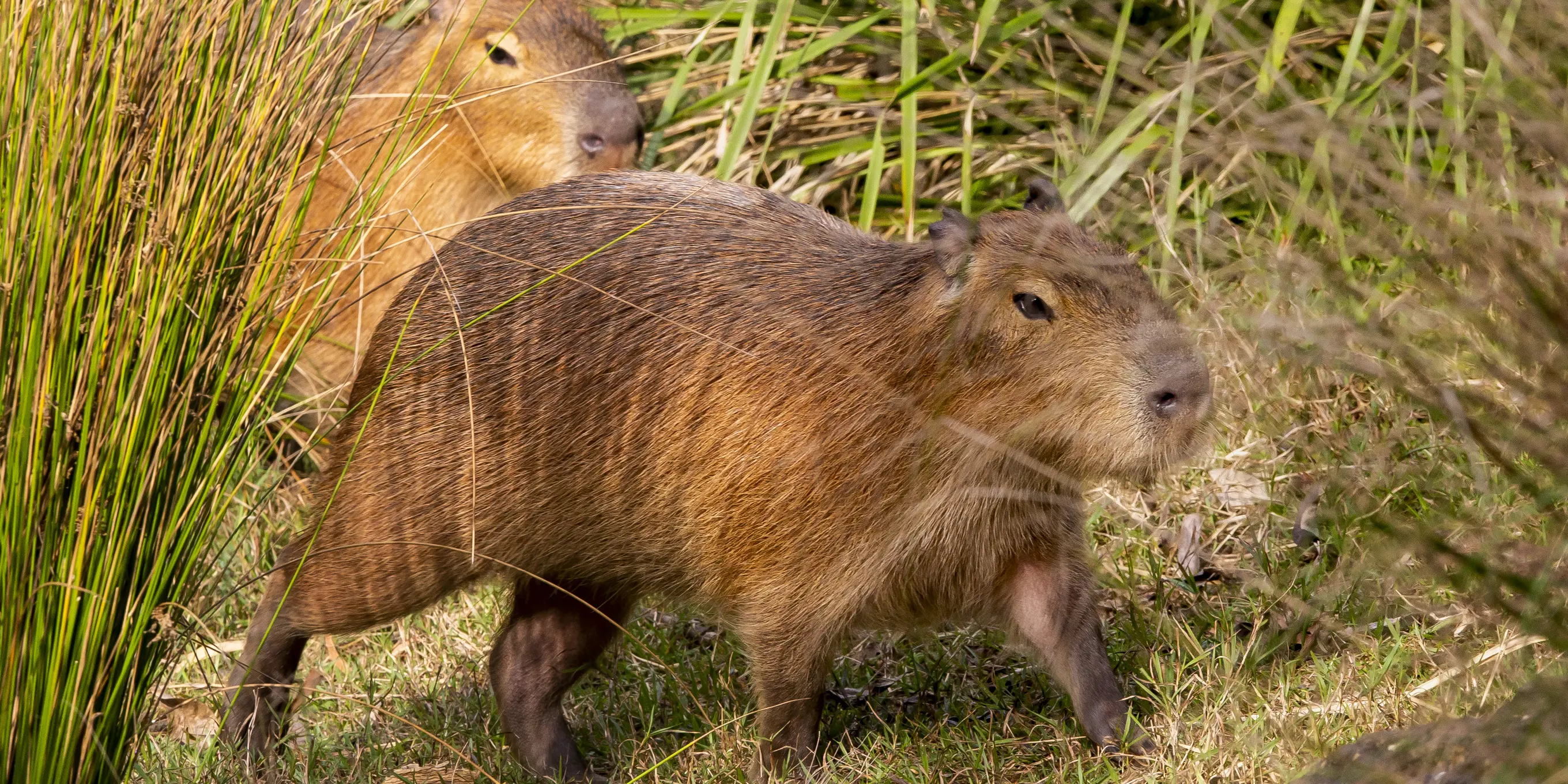
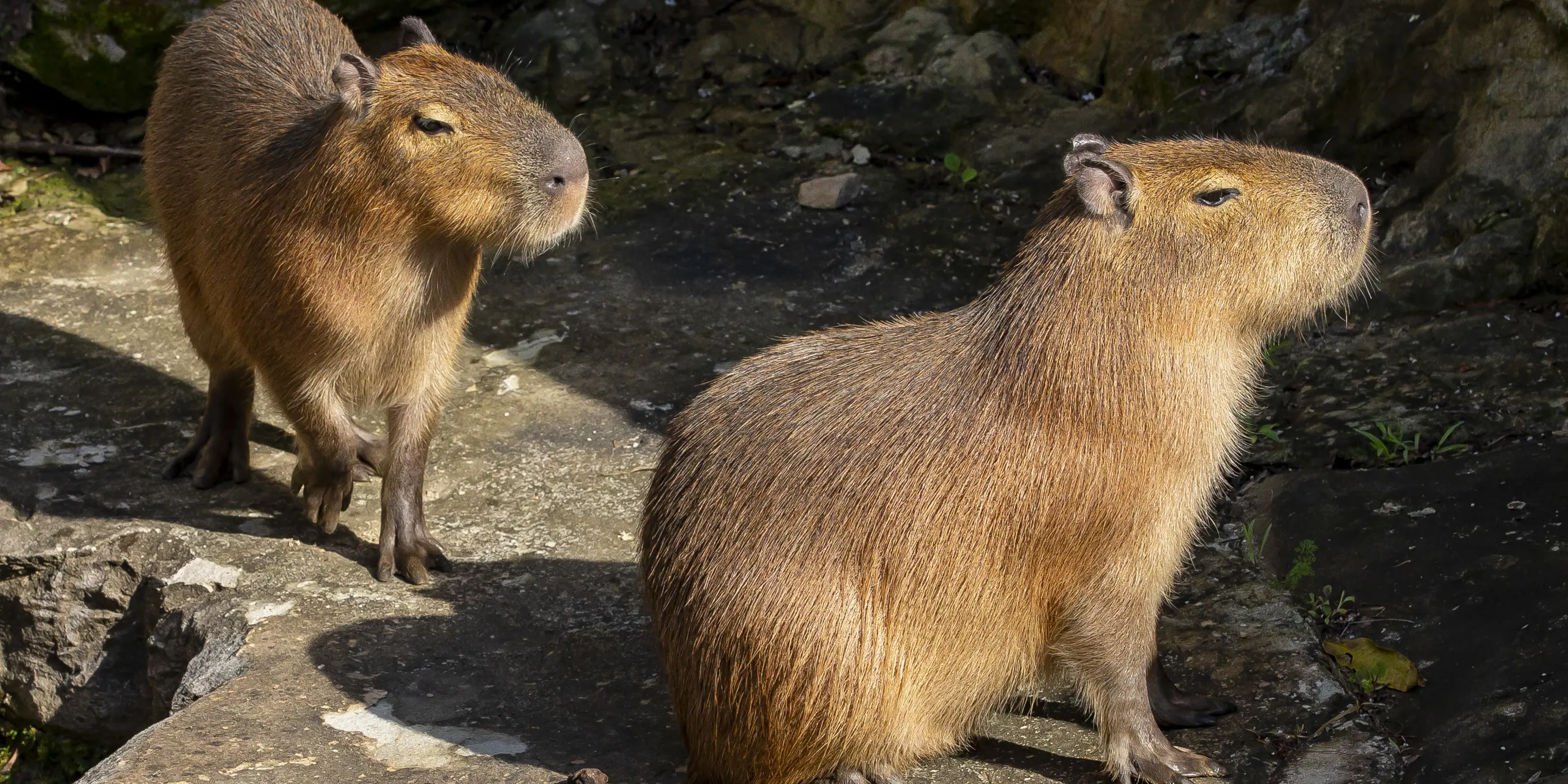
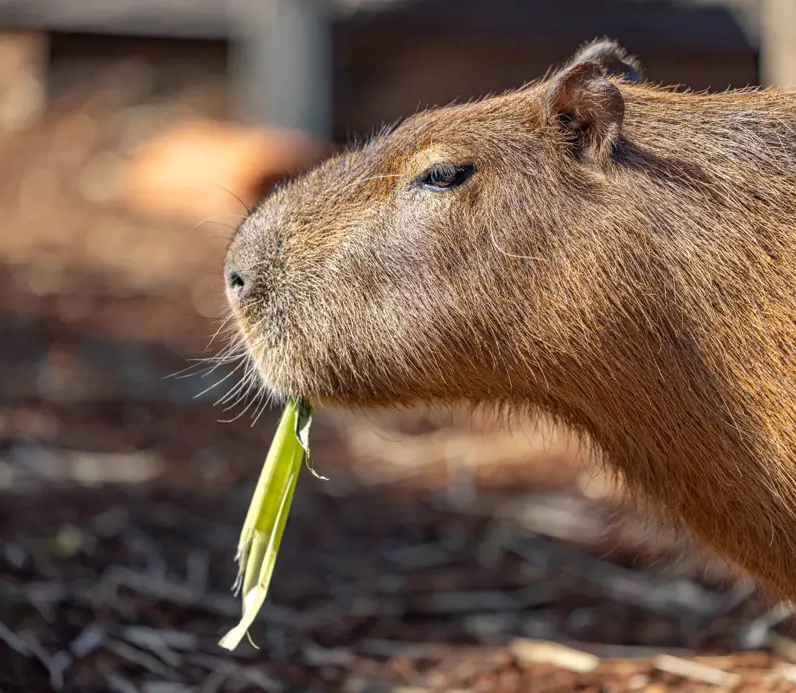
Capybaras are one hundred percent herbivores, and use their long, sharp teeth for grazing on grass and water plants. Their name, ‘Capybara’ literally translates to ‘master of the grasses’. They're the biggest rodent in the world!
You can see the Capybara troop right next to the Forest Adventure Playground.
1:40pm
10:40am



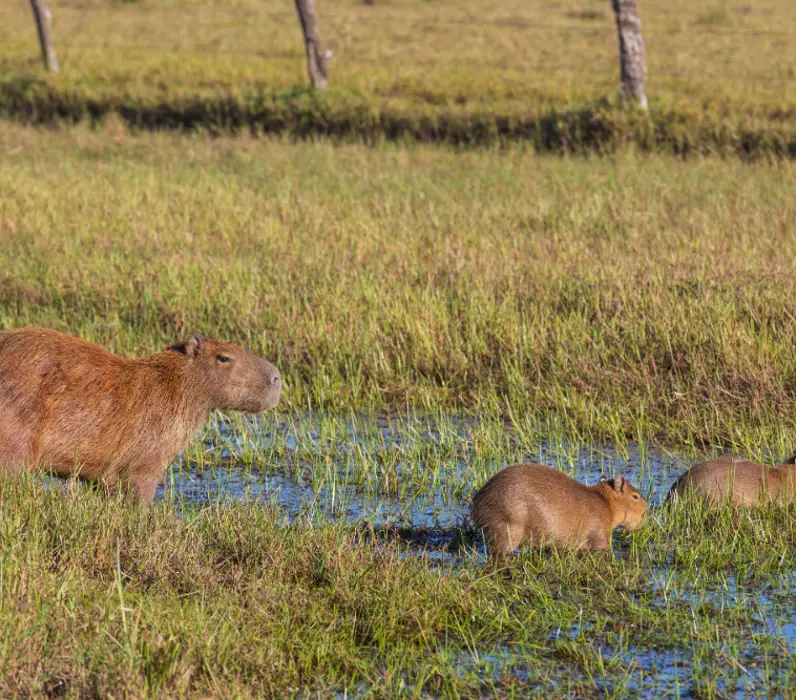
We bet you didn't know these facts about Capybaras.

Scroll across to reveal Capybara facts.
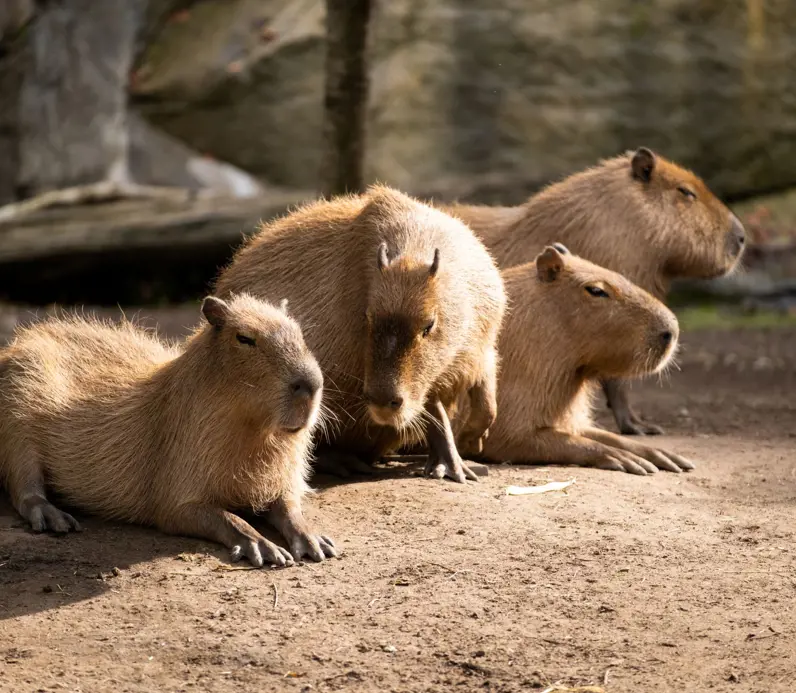
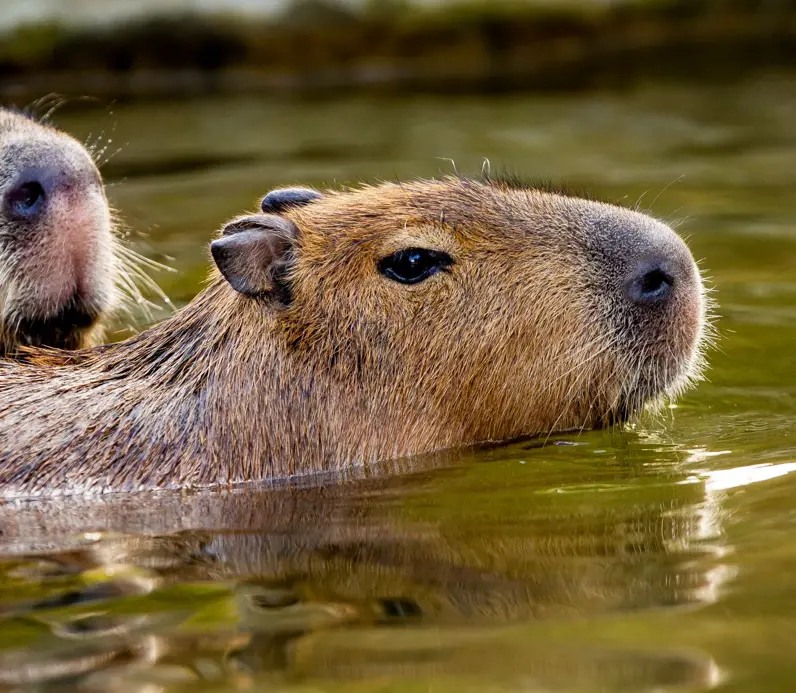
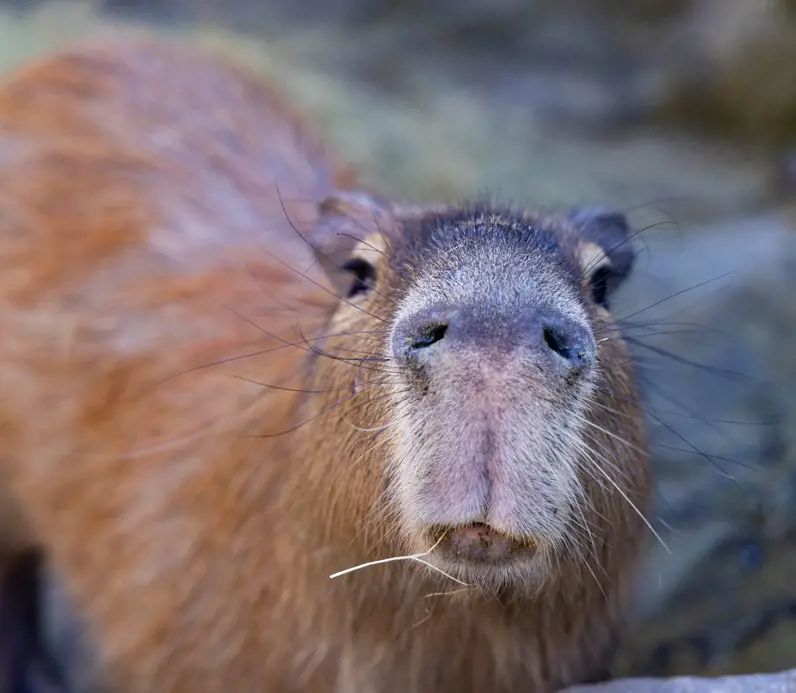
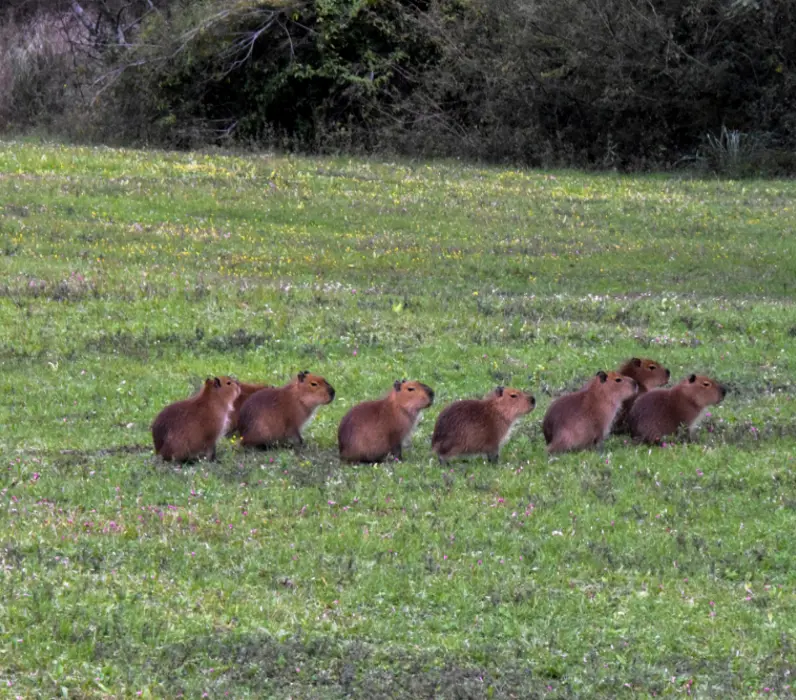
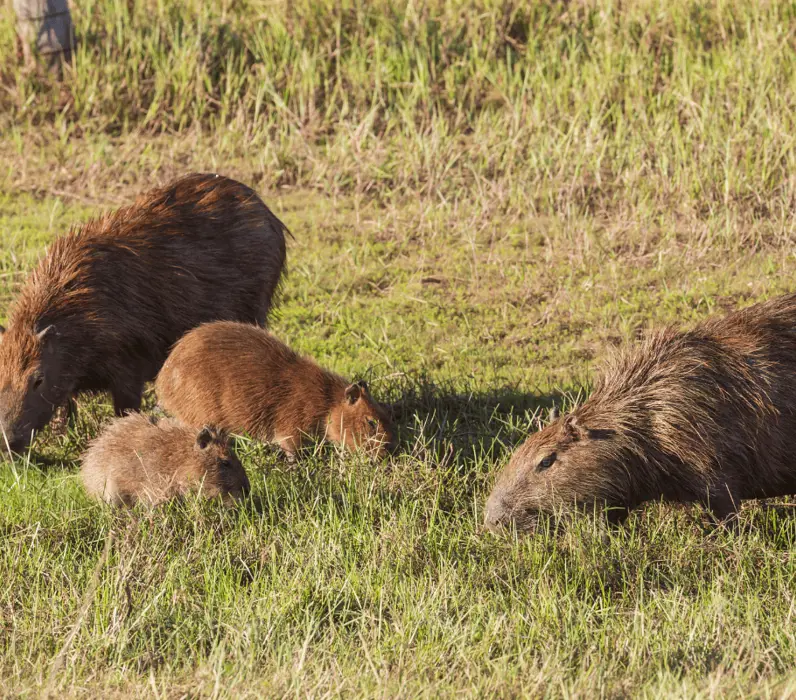
Peaceful and generally quite calm, Capybaras are social animals living in troops of between 10 and 20 animals, sometimes more. These troops are made up of extended family members where there is one dominant male who leads most of the mating. They have also been known to interact with other rainforest animals like monkeys and birds.
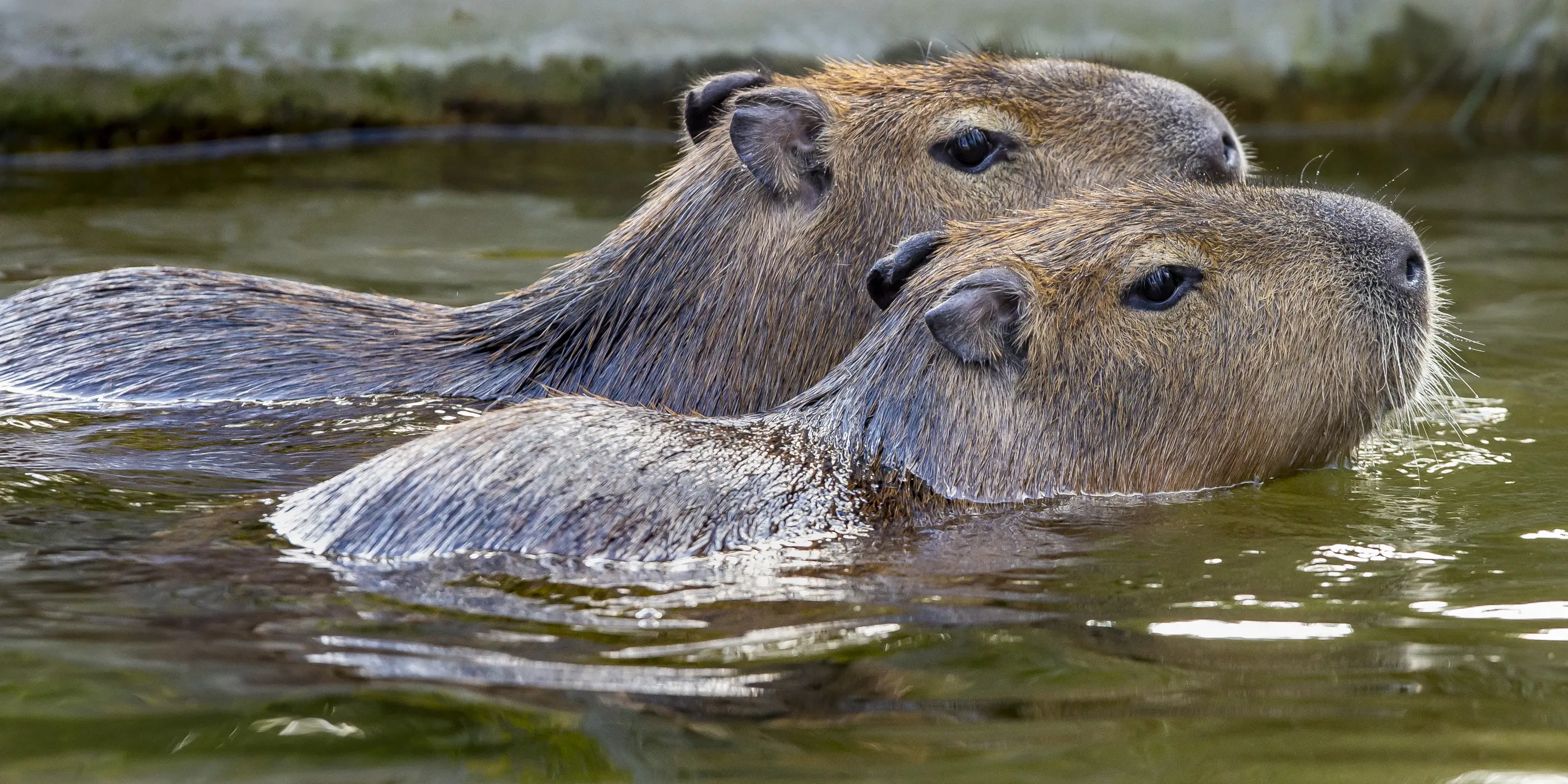
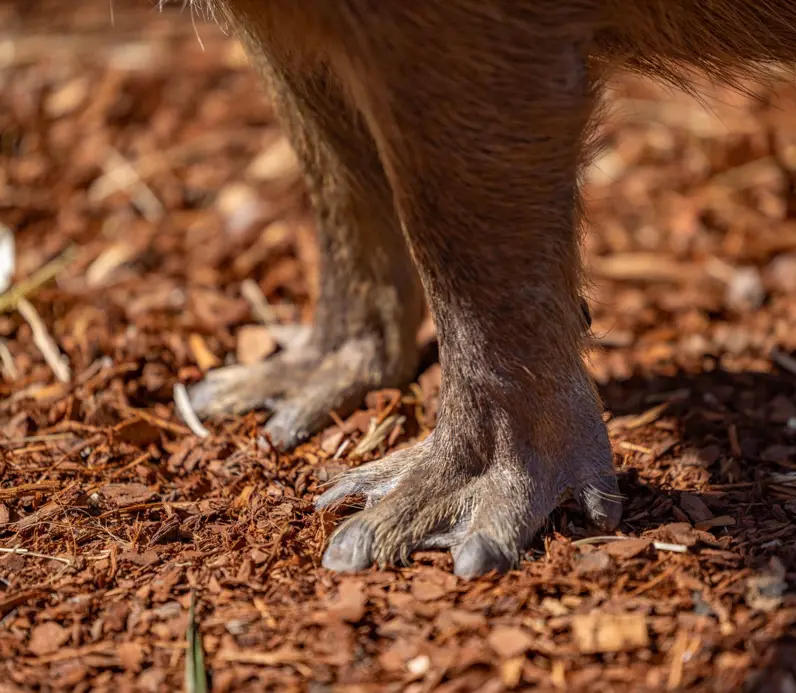
Sometimes referred to as the hippopotamus of the rodent world, water is a source of life for the semi-aquatic Capybara. With webbed feet to help navigate the waters of the Amazon and eyes, ears and nose placed perfectly towards the top of their large head, swimming, napping, diving, and mating in the water becomes an easy task for this curious creature.
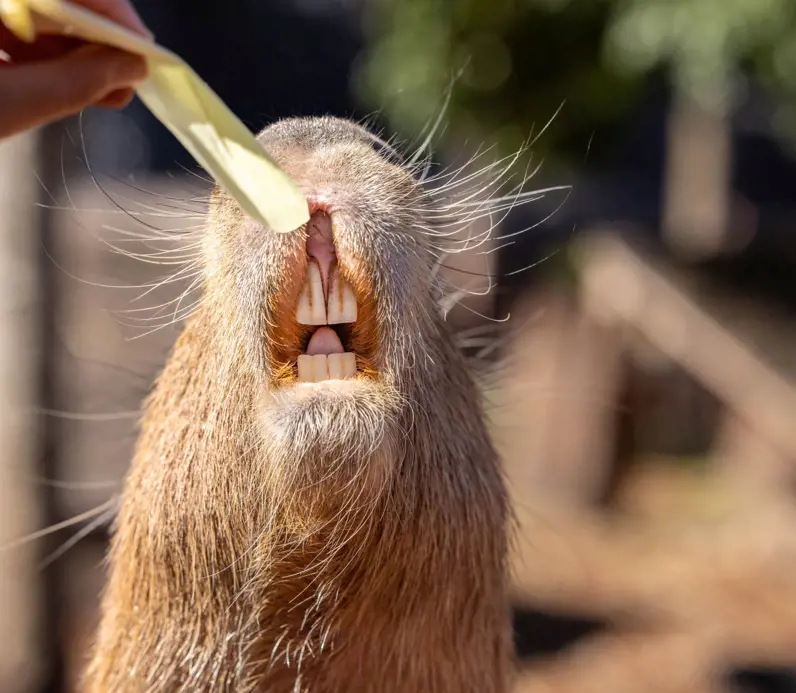
Capybaras regurgitate their food to chew it again and again. Like a camel they chew from side to side not up and down. Like other rodents and rabbits, the front teeth of capybaras grow continually to compensate for the constant wear from eating grasses, their cheek teeth also grow continuously.
Capybaras are coprophagous, meaning they eat their own POO! This a great source of bacterial gut flora, to help digest the tough grasses that love to munch on. Eating poo also helps to extract the maximum protein and vitamins from their food.
Large and loud, these rodents like to express themselves and communicate by purring, barking, cackling, whistling, squealing, whining, grunting and teeth-chattering. This South American symphony has harmonic differences among social groups with each sound delivering a different message and meaning.
Taronga contributes to an Australasian Species Management Program and/or international breeding program for this species. This helps maintain healthy and resilient zoo-based animal populations by preserving genetic diversity, supporting animal husbandry knowledge, and ensuring exceptional animal welfare, safeguarding the species for the future.
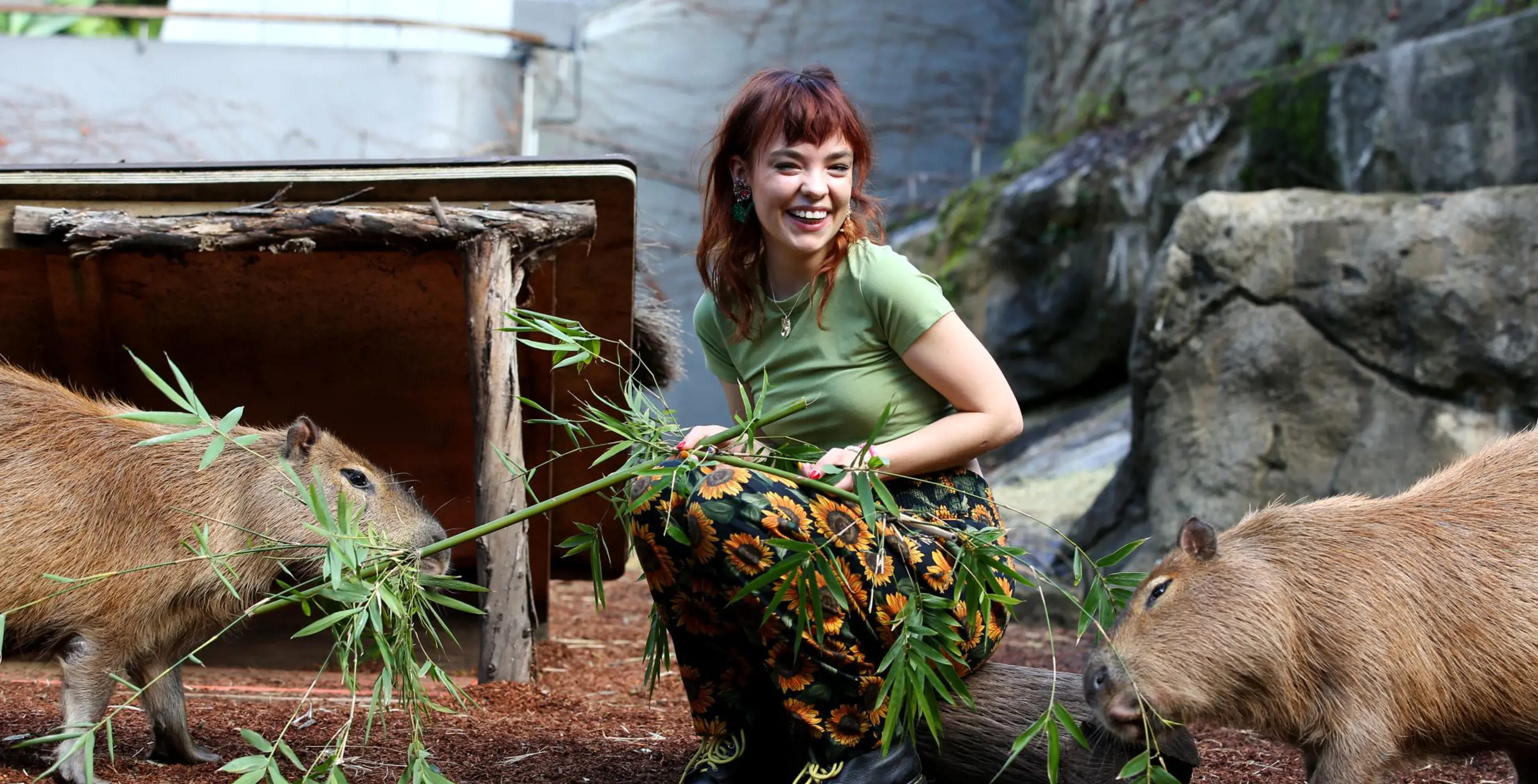
You can book a Capybara encounter on the morning of your visit at the Zoo shop. But make sure you arrive early, they sell out fast.
Get up close with your favourite Zoo residents in Sydney and Dubbo.
Discover Dubbo
Discover Sydney
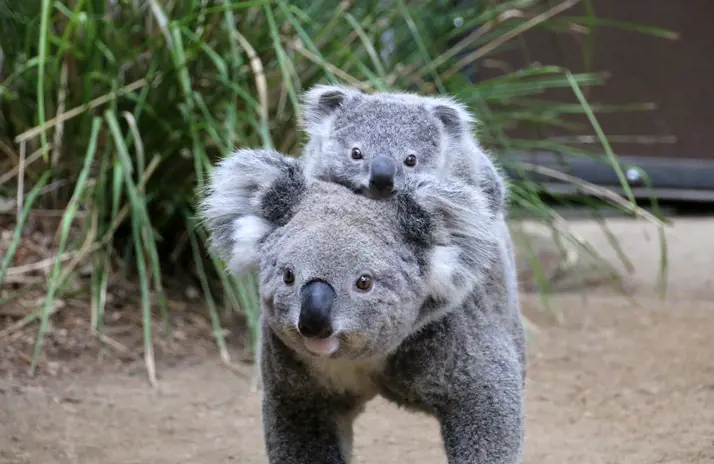
Become a Zoo Parent and make your contribution to precious wildlife.
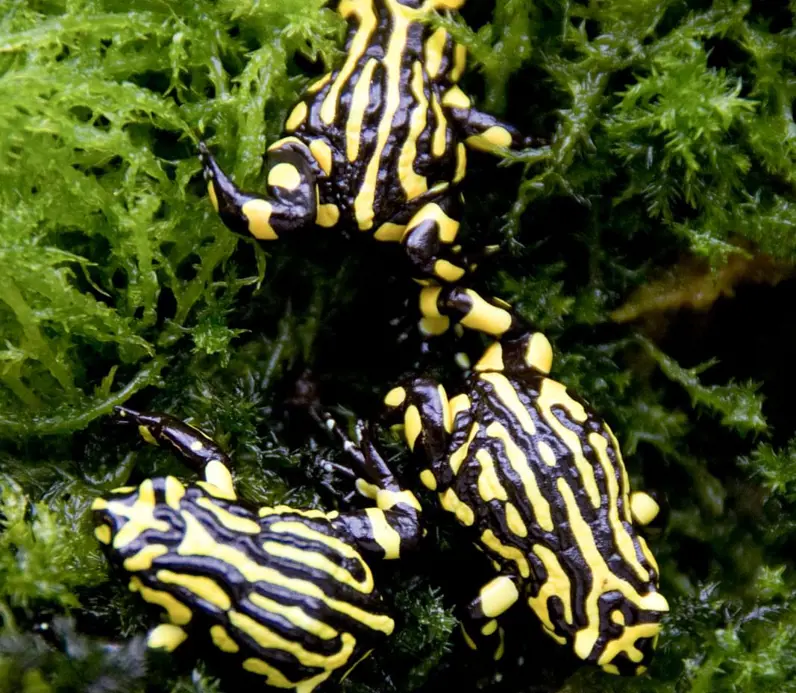
Learn about Taronga's Conservation Programs.