
Animal Encounters
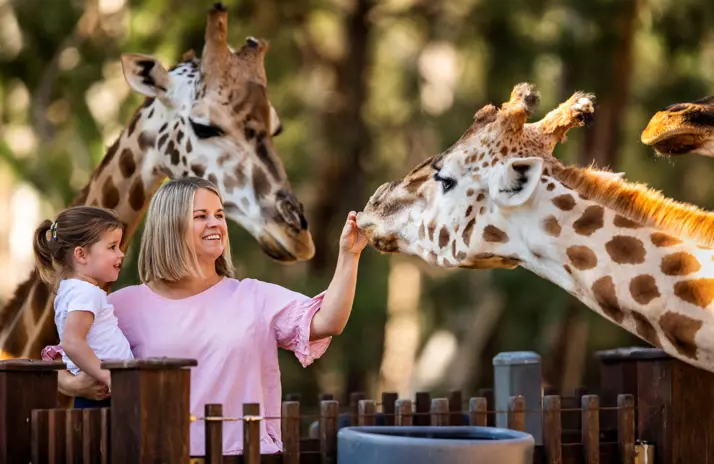
Get up close with your favourite Zoo residents in Sydney and Dubbo.
Discover Dubbo
Discover Sydney
Scientific nameElephas maximus
Conservation status (IUCN)
Endangered
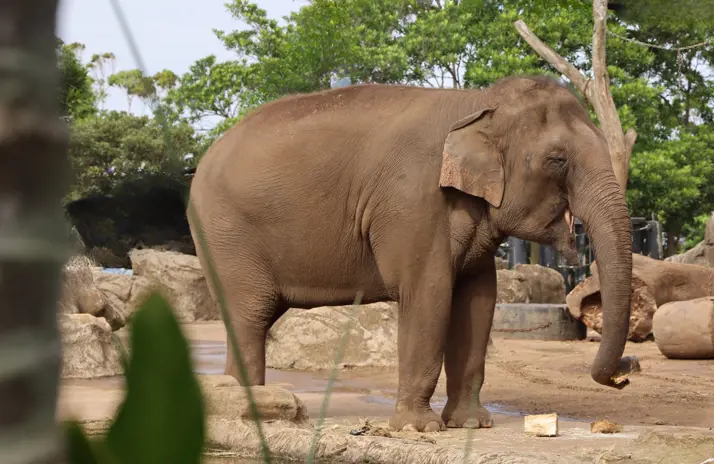
The largest living land mammal, elephants are super smart, highly social and vital to their ecosystems.
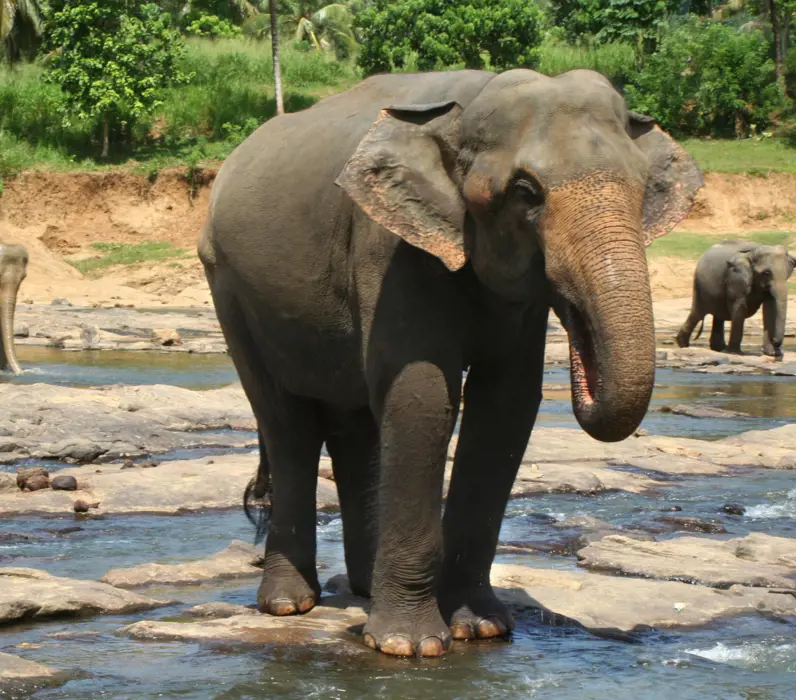
See Asian Elephants in the Wild Asia habitat.
12:00pm
12:30pm




We bet you didn't know these facts about these exceptional elephants.

Scroll across to reveal info on Asian Elephants.
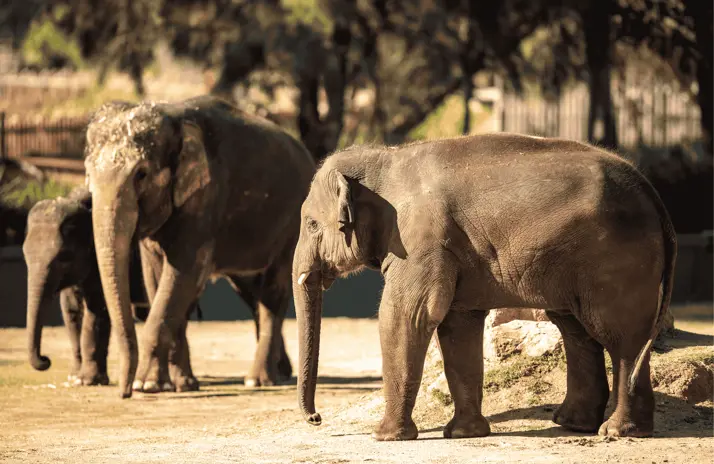
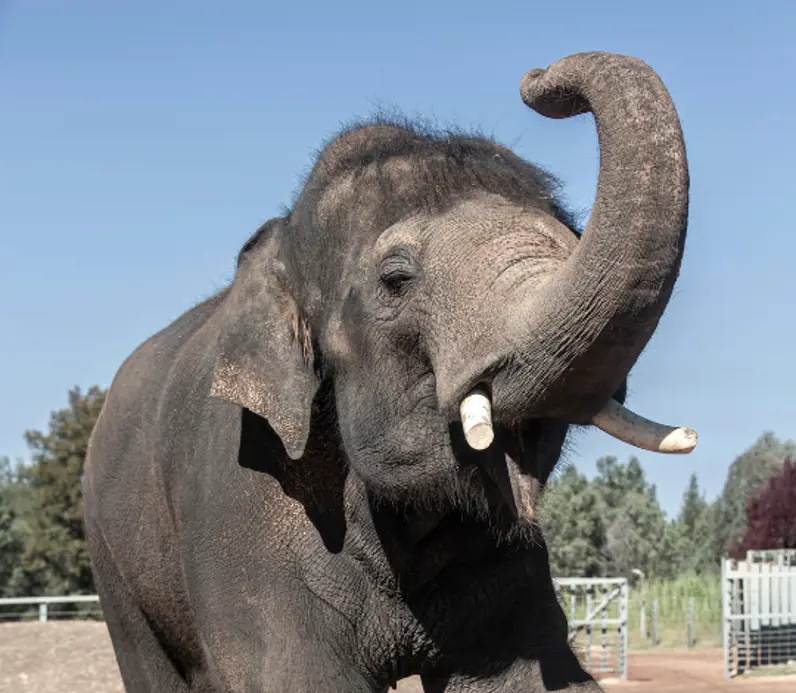
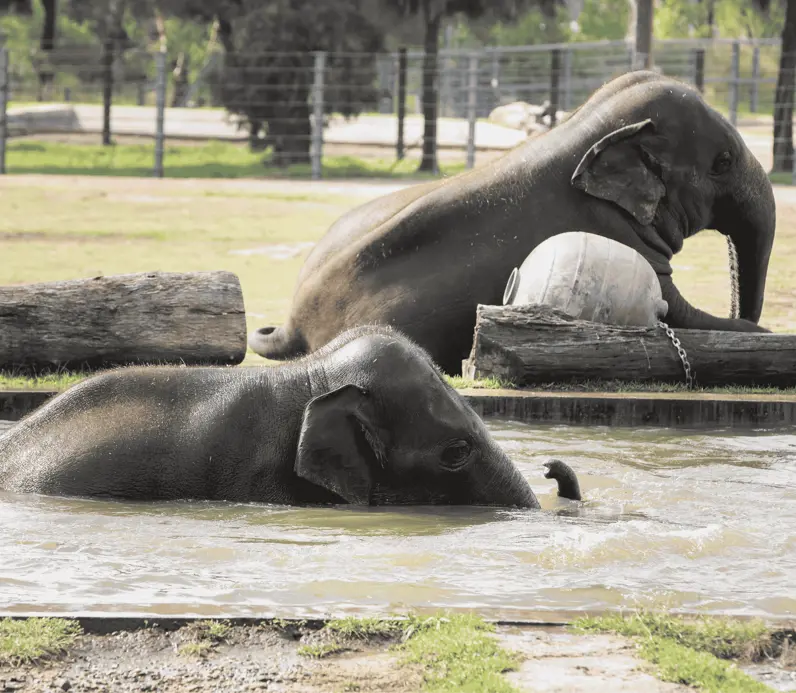
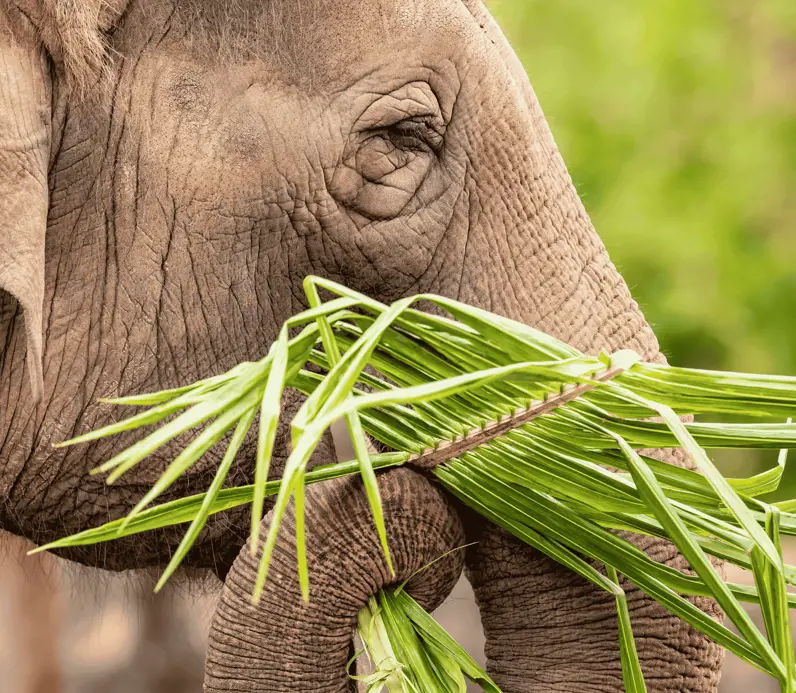

Elephants have long been the heartbeat through the forests of Asia. For thousands of years these sacred giants roamed the lands connected to ancient storylines. Being such magnificent and powerful beasts, Asian elephants were widely tamed to move heavy objects, felled trees, carry humans and even to wage war. However, the past century has seen significant changes to Asia’s elephant story as ancient tribal lands and elephant habitat has been converted to agriculture and their numbers have fallen to around 40,000 animals.
Elephants play a crucial role in keeping forests strong, resilient and diverse. When elephants eat, they create gaps in the vegetation. These gaps allow new plants to grow and create pathways for other animals in their footprints. Their massive size enables them to reach high hanging fruit and transport seeds across vast distances.
Elephant dung is a nutrient rich environment. With each animal producing around 100kg of poo a day from their forest feasting not all foods are fully digested. Elephants leave dung that is filled with seeds and plant material and when this is deposited while moving through the forest the seeds are sown. Over time these seeds grow into new grasses, bushes and trees boosting the health of the forest ecosystem.
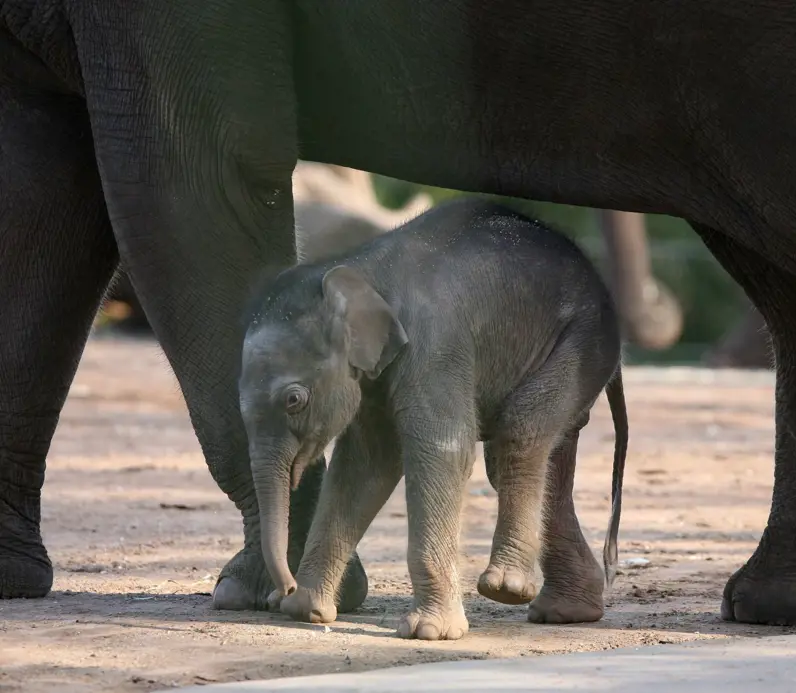
Female elephants are social and form herds of related females and immature offspring that are led by the oldest female, the matriarch. Older matriarchs are thought to have greater knowledge of the landscape. It is the task of the eldest elephant to lead the younger herd along ancient seasonal migratory food trails than the younger herd members. Living in multi-generational groups allows young females to learn from the experience of their elders.
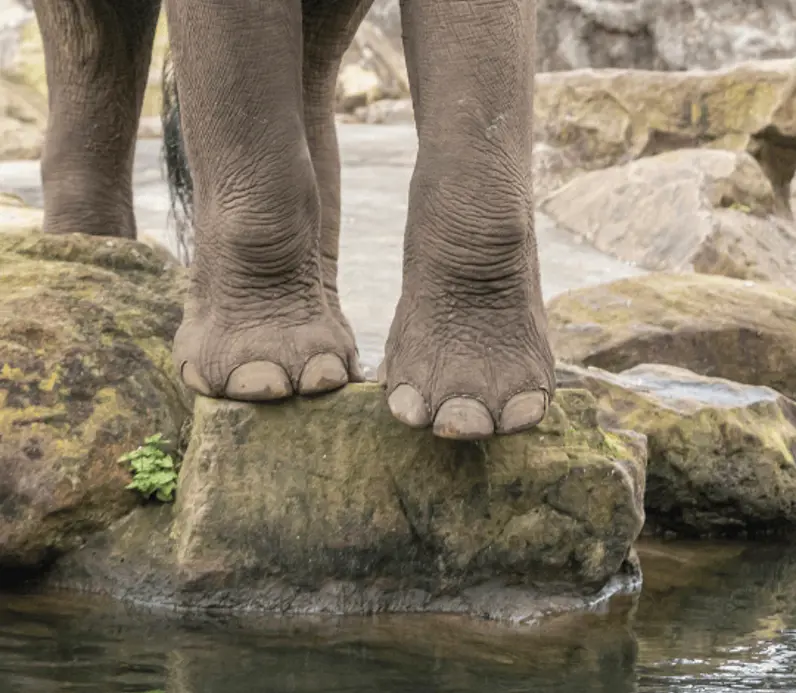
Asian Elephants have much smaller and more rounded ears than their African cousins but that doesn’t make them any less effective. Trumpeting loudly can be heard through the forest by many but elephants can communicate in a low rumble that can be picked up over 9km away, and what’s more, the elephant receiving the call picks it up through its feet!
Taronga contributes to an Australasian Species Management Program and/or international breeding program for this species. This helps maintain healthy and resilient zoo-based animal populations by preserving genetic diversity, supporting animal husbandry knowledge, and ensuring exceptional animal welfare, safeguarding the species for the future.
Conservation status (IUCN)
Endangered
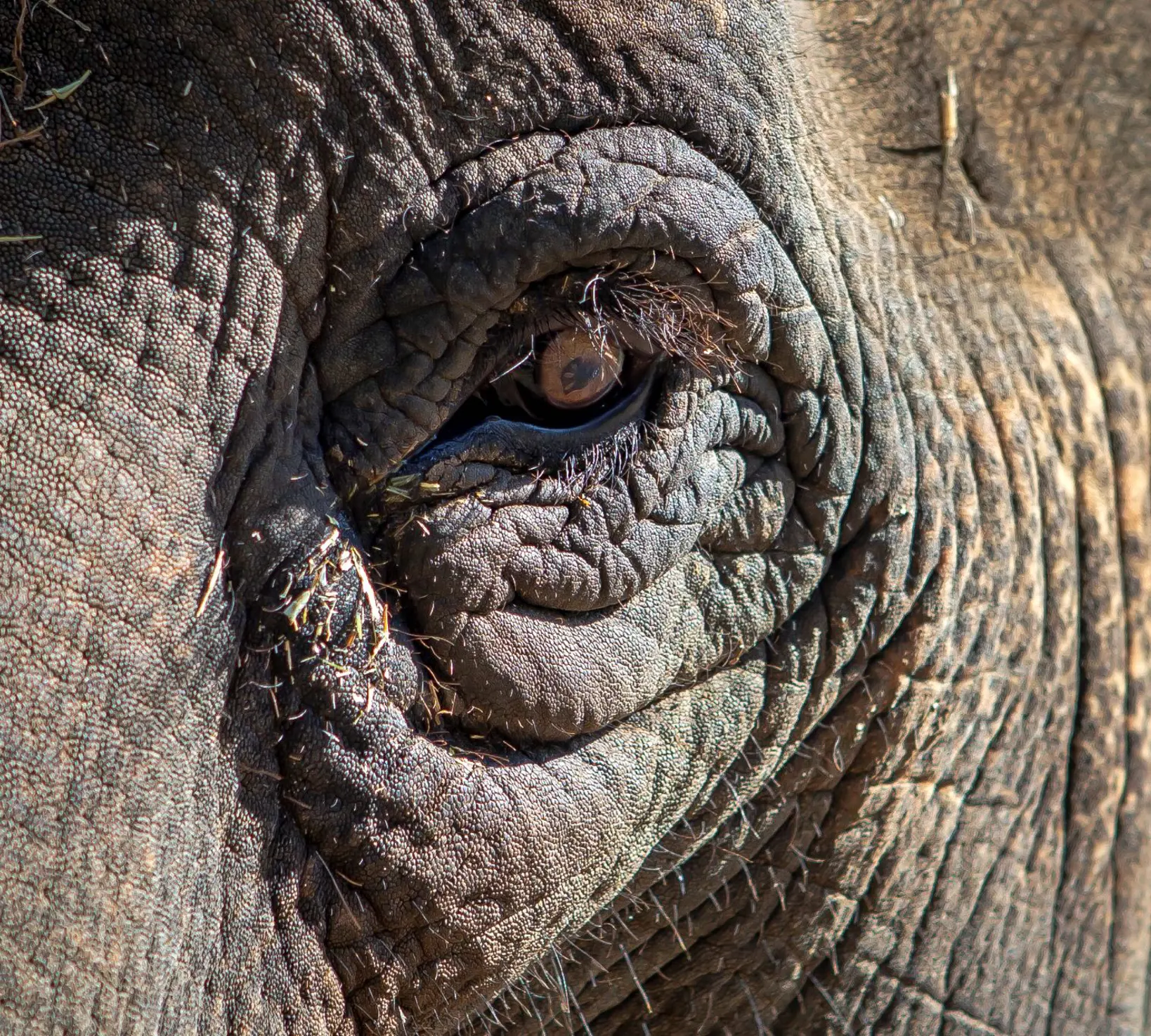
Palm oil is used in 50% of household products, including spreads, biscuits, shampoos, and makeup. So, what does palm oil have to do with tigers and elephants? Find out with Raise Your Palm.
Get up close with your favourite Zoo residents in Sydney and Dubbo.
Discover Dubbo
Discover Sydney
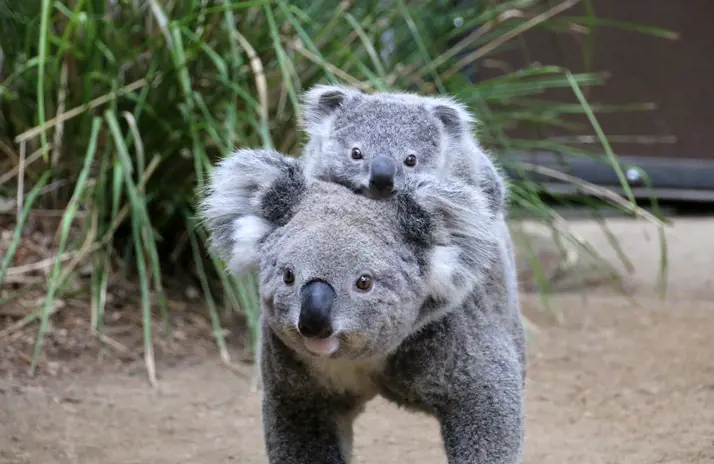
Become a Zoo Parent and make your contribution to precious wildlife.
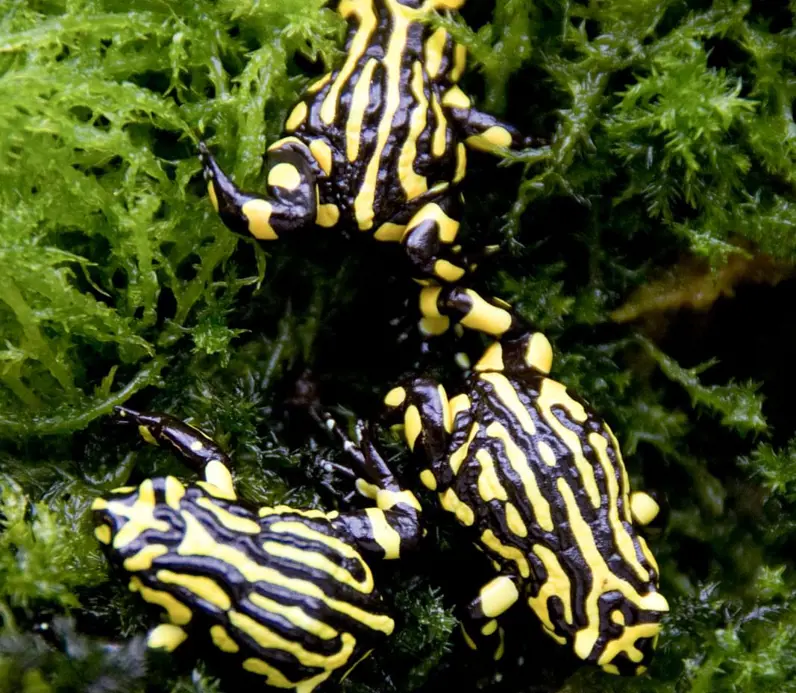
Learn about Taronga's Conservation Programs.