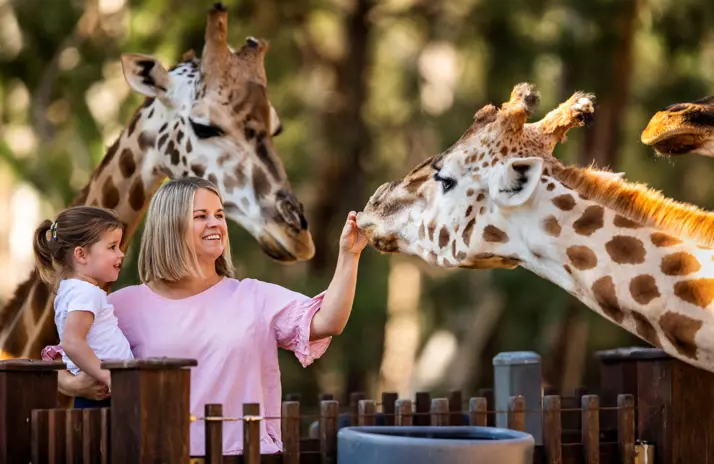
Animal Encounters
Get up close with your favourite Zoo residents in Sydney and Dubbo.
Discover Dubbo
Discover Sydney
Scientific namePan troglodytes
Conservation status (IUCN)
Endangered
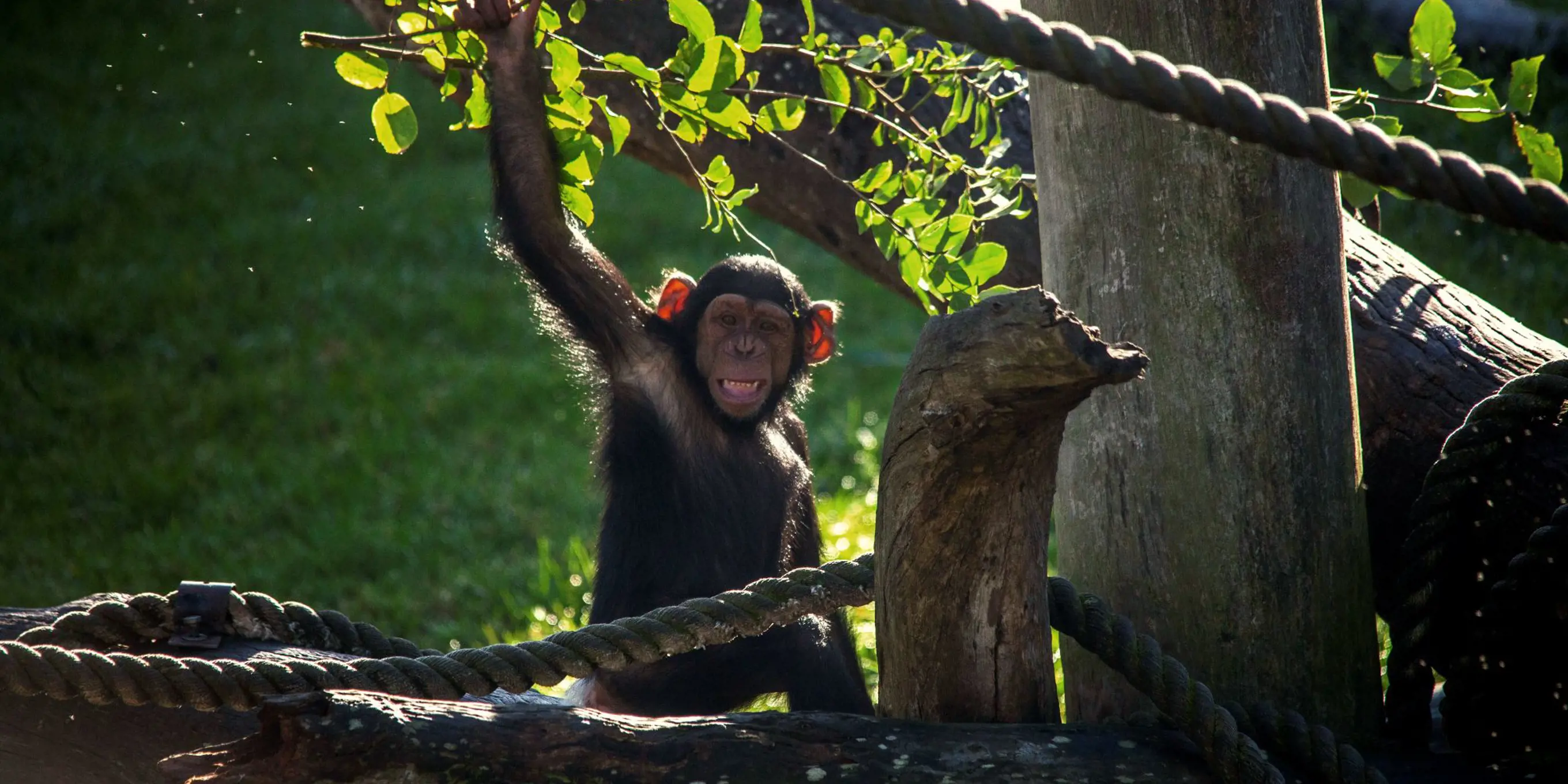
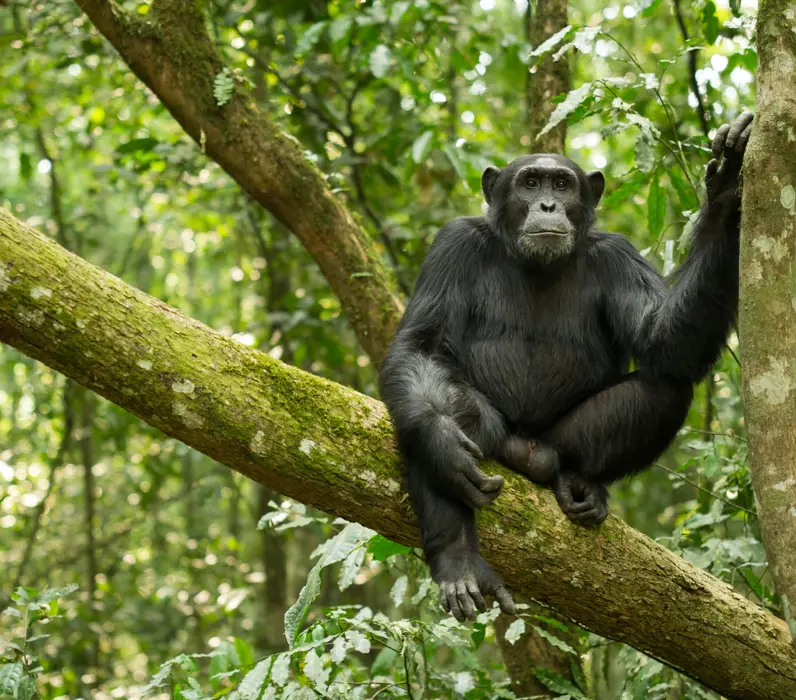
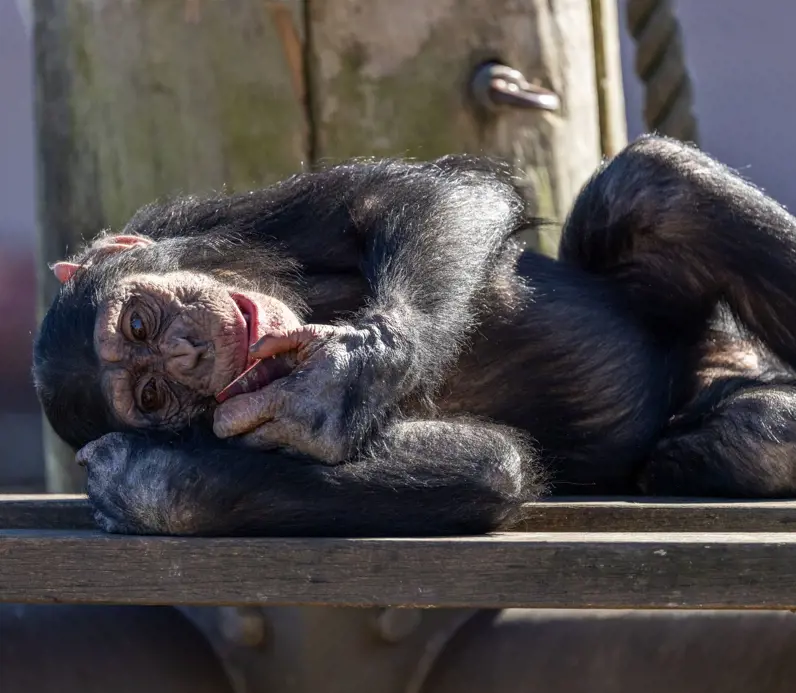
Chimpanzees are a species of ape found in Africa. They're our closest living relative!
You can meet our Chimpanzee family on the African Savannah trail.
12:00pm



We bet you didn't know these facts about these adventurous apes!

Scroll across to reveal Chimpanzee facts.
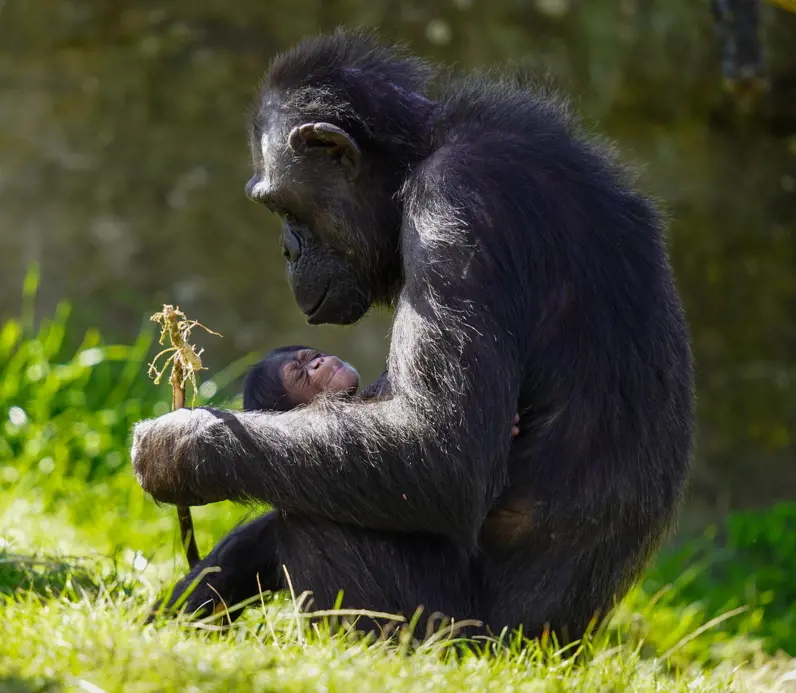
In June 2025, we celebrated 65 years since Dr Jane Goodall began her groundbreaking chimpanzee research in Gombe, Tanzania — a study that forever changed how we understand animals, conservation, and our connection to the natural world.
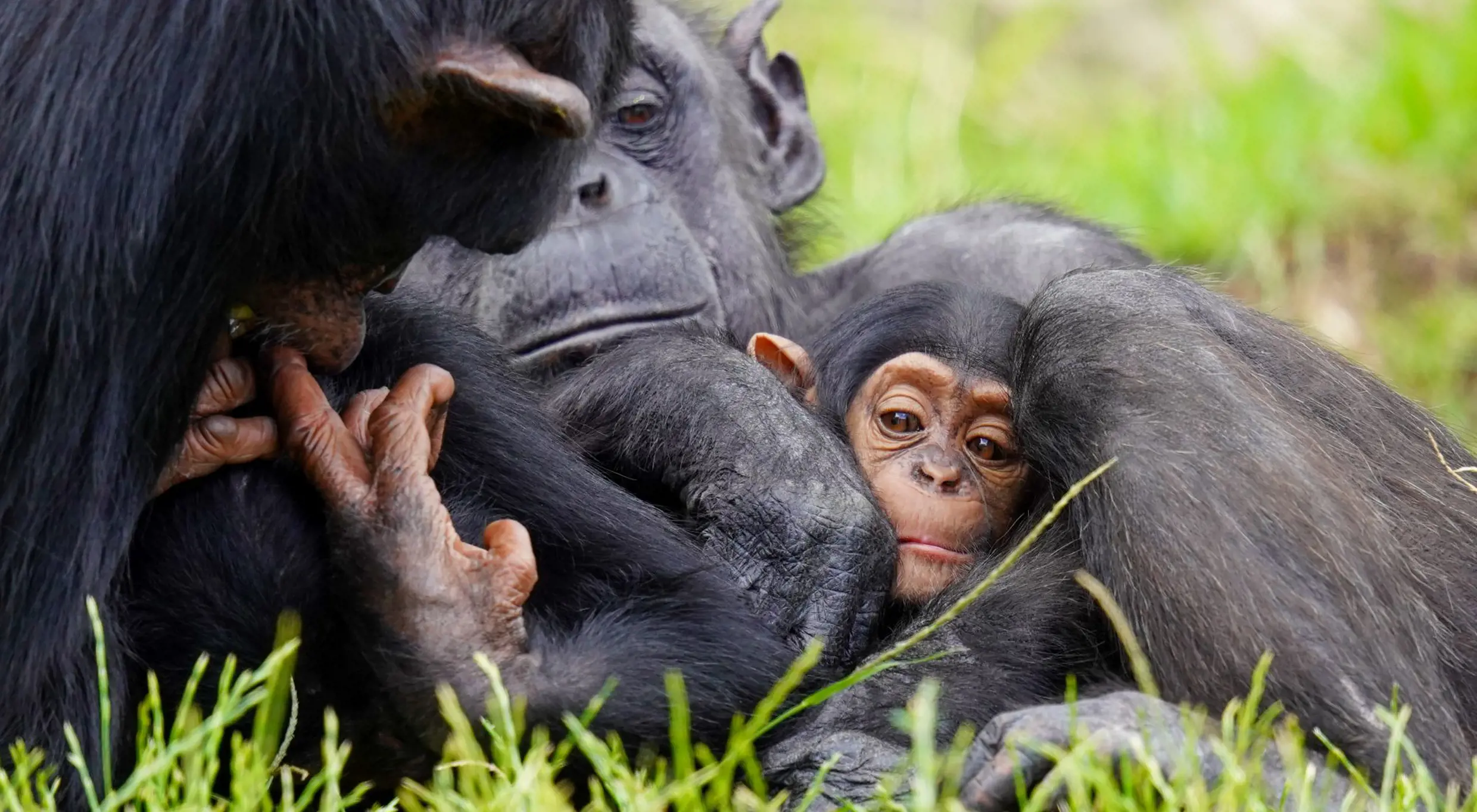
Taronga contributes to an Australasian Species Management Program and/or international breeding program for this species. This helps maintain healthy and resilient zoo-based animal populations by preserving genetic diversity, supporting animal husbandry knowledge, and ensuring exceptional animal welfare, safeguarding the species for the future.
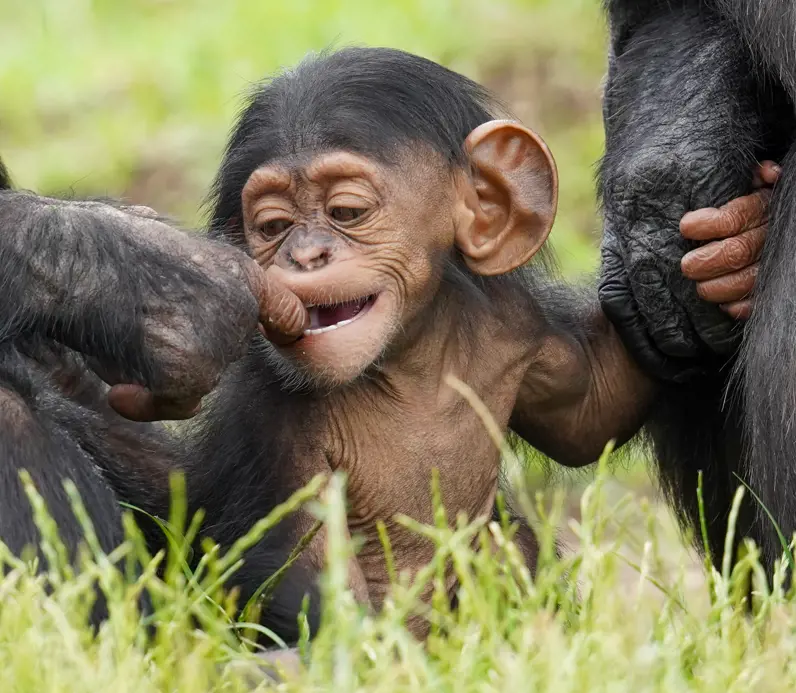
Chimpanzees are our closest living relatives, sharing nearly 99 percent of our genetic blueprint. Humans and chimps are also thought to share a common ancestor who lived some four to eight million years ago. You could even receive a blood transfusion from a chimp if you shared the same blood type!
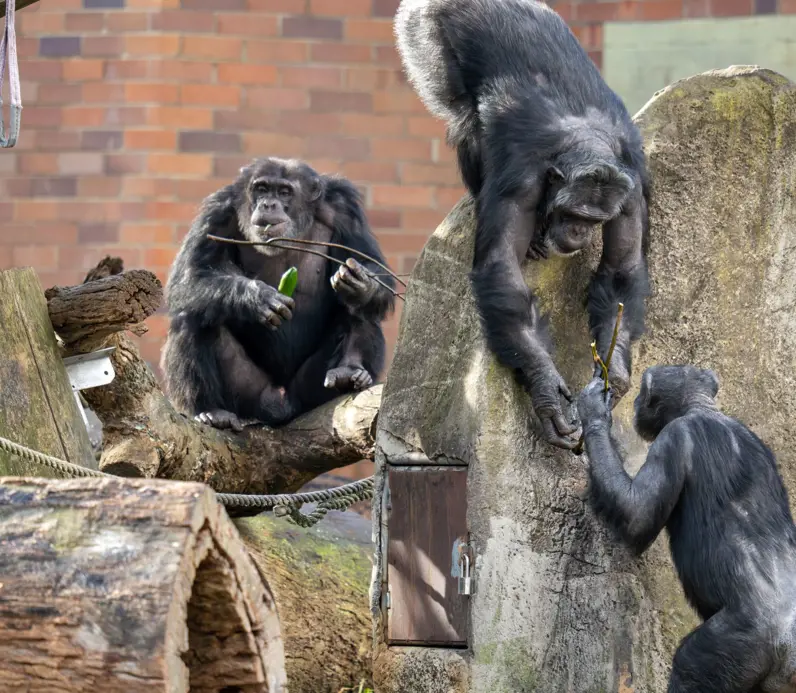
Chimpanzees are one of the few animal species that employ tools. They shape and use sticks to retrieve insects from their nests or dig grubs out of logs. They also use stones to smash open tasty nuts and employ leaves as sponges to soak up drinking water.
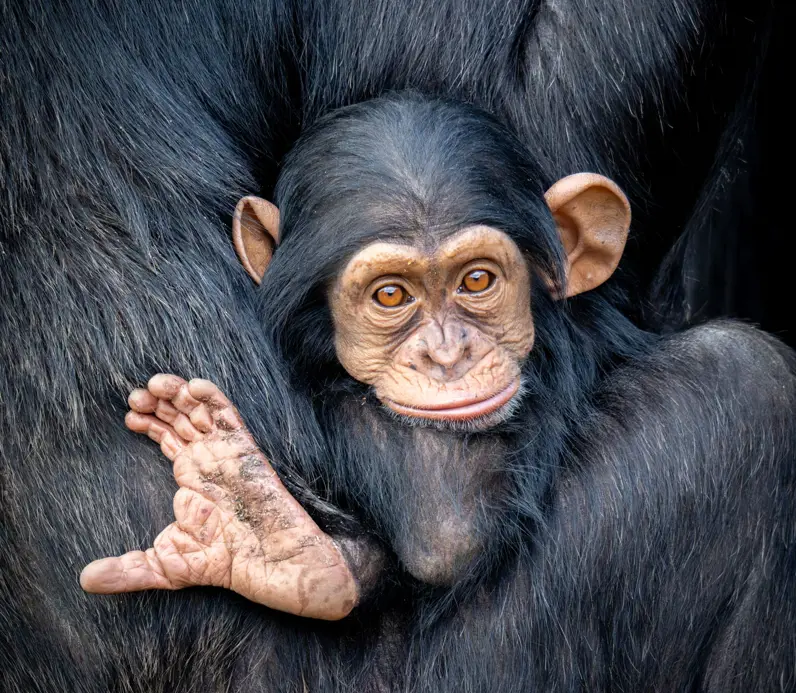
The newborn chimpanzee is helpless, with only a weak grasping reflex and needing support from the mother's hand during travel. Within a few days it clings to the mother's underside without assistance and begins riding on her back at 5-7 months. By 4 years of age the infant travels mostly by walking, but stays with its mother until at least 5-7 years old
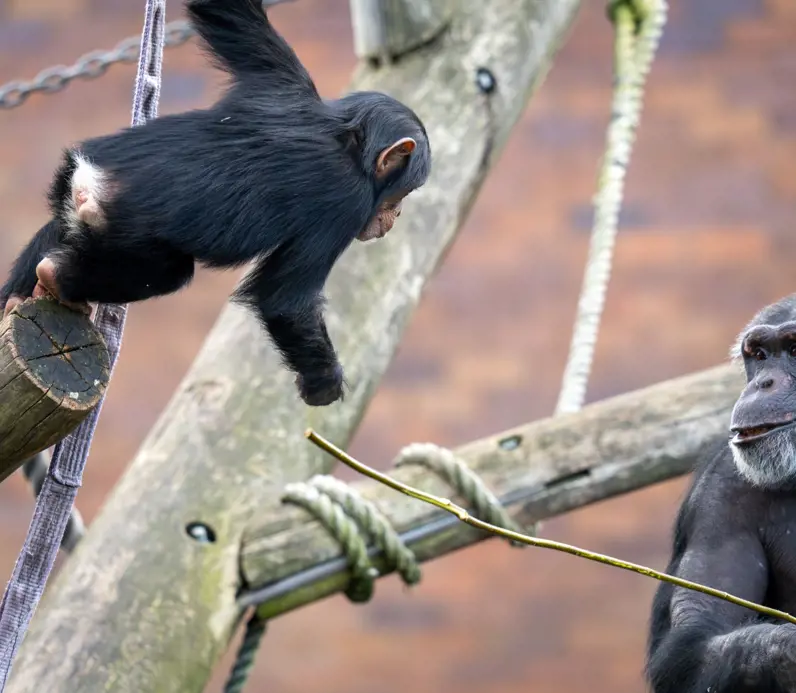
Young chimps manage to get away with being mischievous because they are still learning! A small white tuft of fur above their bottom tells the other chimps that they are young and should not yet be disciplined.
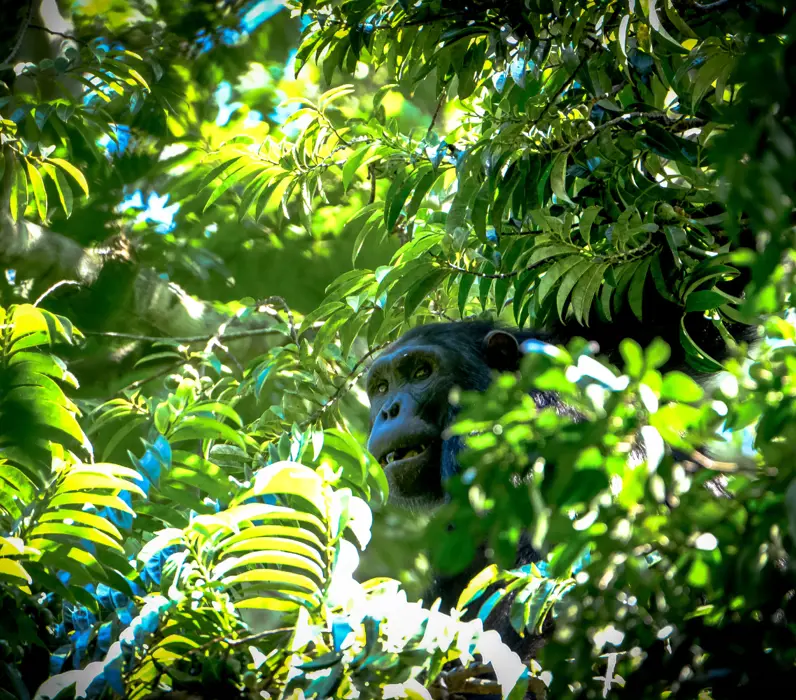
Although they normally walk on all fours (knuckle-walking), chimpanzees can stand and walk upright. By swinging from branch to branch they can also move quite efficiently in the trees, where they do most of their eating. Chimpanzees usually sleep in the trees as well, creating nests of leaves
Chimpanzees have over 30 different vocalisations with each meaning something different. They could mean anything from a threat is coming, to showing anger, to saying food is here.
You can recycle your phone at both of Taronga’s Zoos! But wait, what do mobile phones have to do with Gorillas, Siamang and other great apes? Find out with They’re Calling On You.
Get up close with your favourite Zoo residents in Sydney and Dubbo.
Discover Dubbo
Discover Sydney
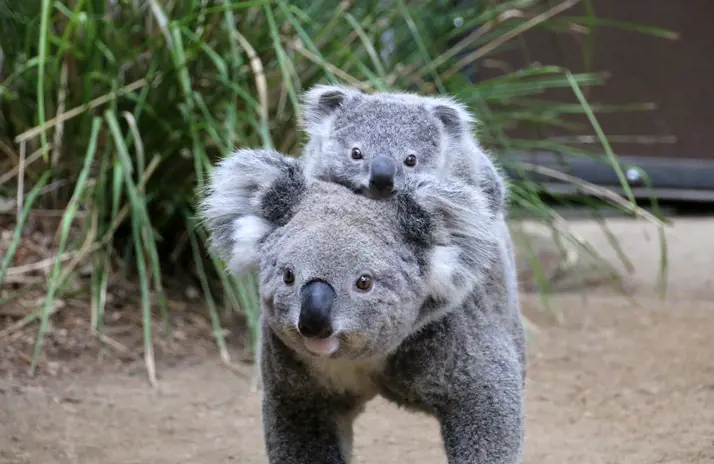
Become a Zoo Parent and make your contribution to precious wildlife.
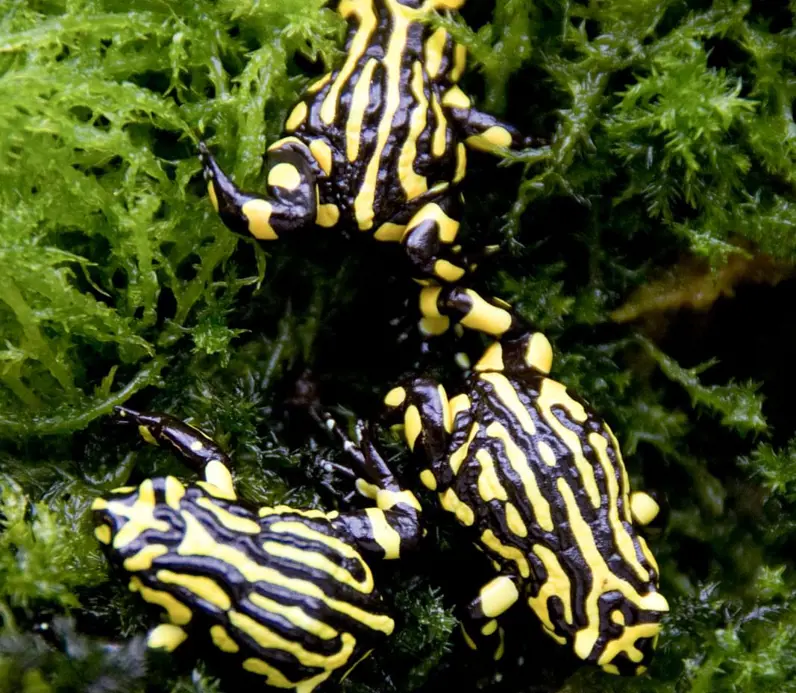
Learn about Taronga's Conservation Programs.