Animal Encounters
Get up close with your favourite Zoo residents in Sydney and Dubbo.
Discover Dubbo
Discover Sydney
Scientific namePetrogale penicillata
Conservation status (IUCN)
Vulnerable
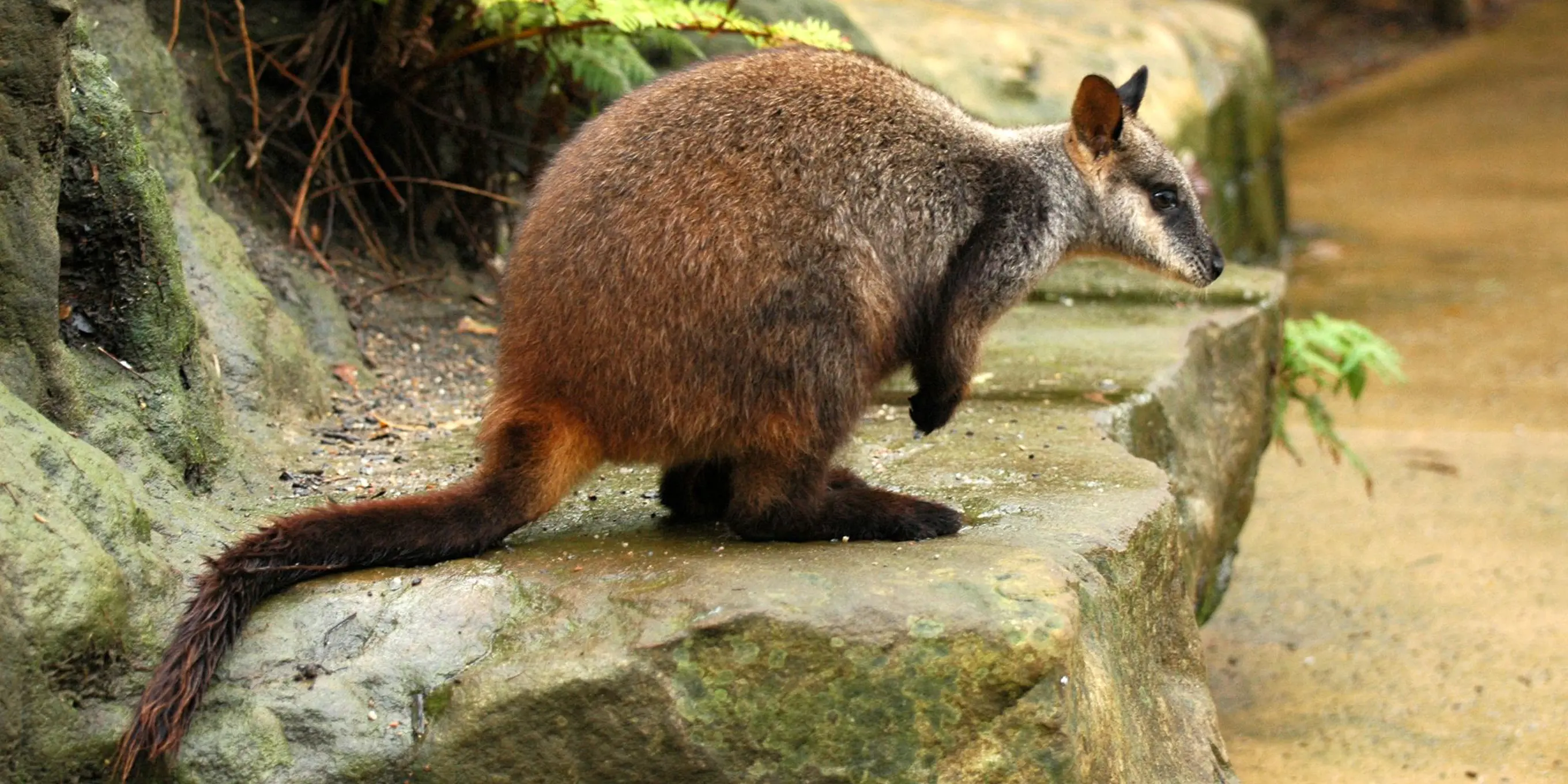
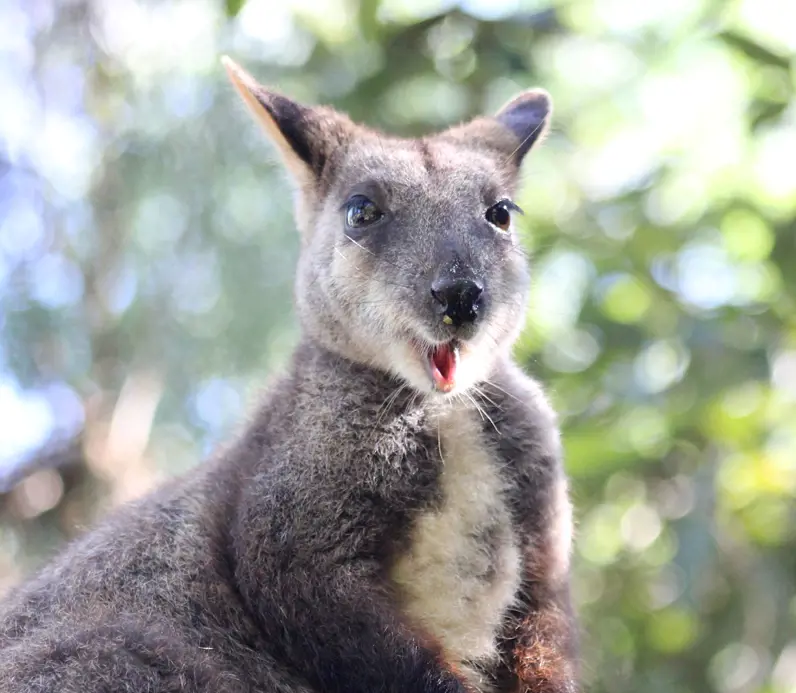
Brush-tailed Rock-wallabies (wulaba means wallaby in Sydney First Language) have a dark tail that are bushy on the end. They are very agile creatures and are comfortable in rocky, uneven environments.
You can see Brush-tailed Rock Wallabies in the Blue Mountains Walk in Nura Diya.
9:30am

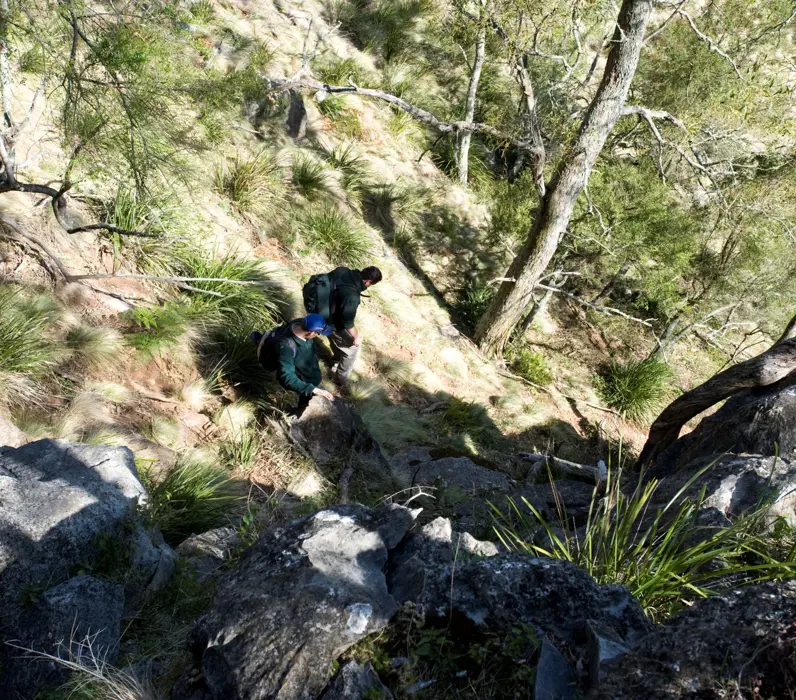

We bet you didn't know these facts about wonderful wallabies.

Scroll across to reveal wallaby facts.
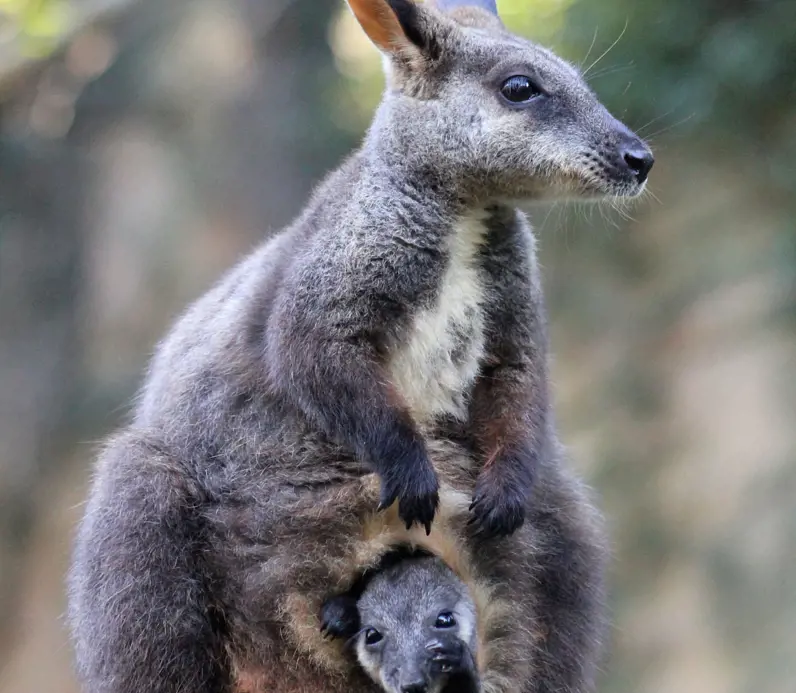
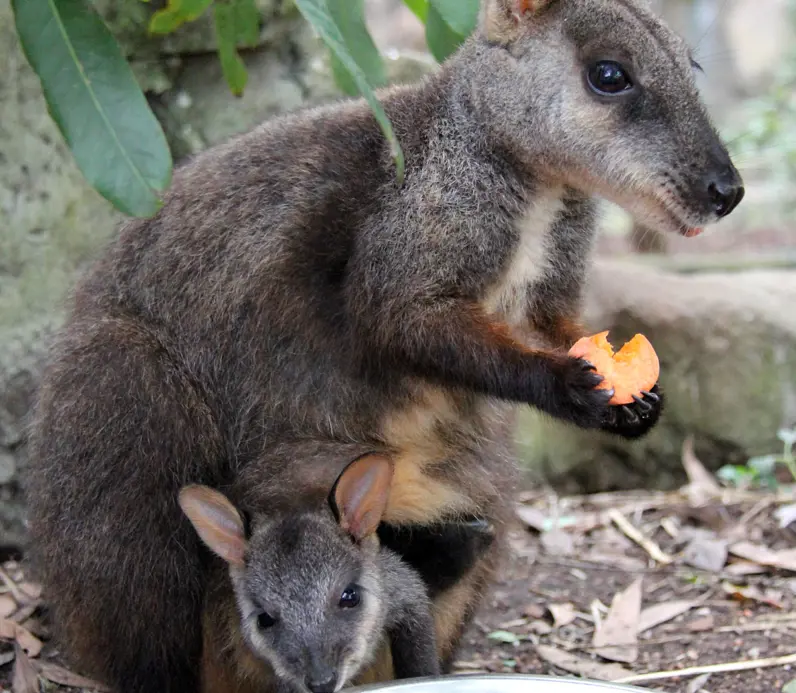
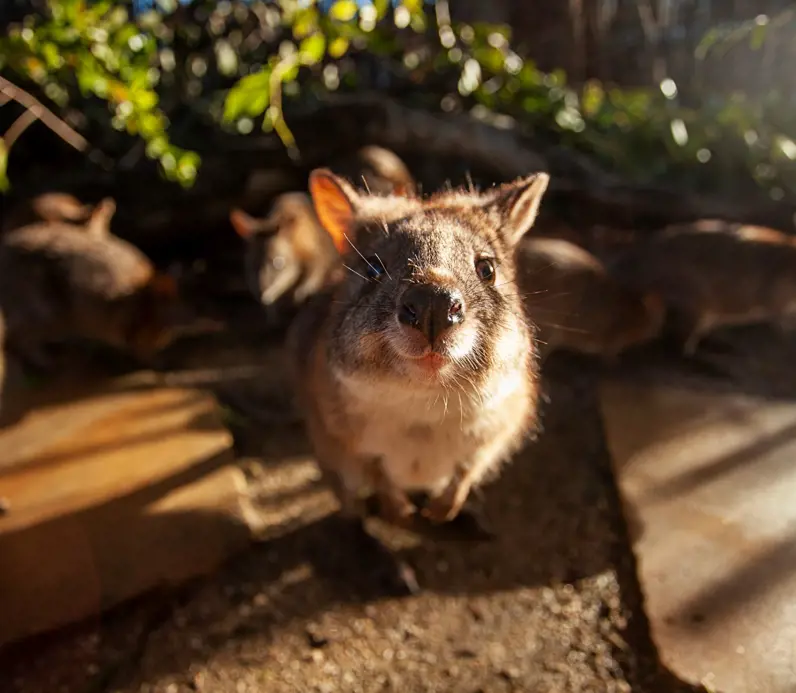
Taronga contributes to an Australasian Species Management Program and/or international breeding program for this species. This helps maintain healthy and resilient zoo-based animal populations by preserving genetic diversity, supporting animal husbandry knowledge, and ensuring exceptional animal welfare, safeguarding the species for the future.
The taxonomic classification of wallabies is informal, and not universal. Wallabies are macropods smaller than a kangaroo, though this distinction is drawn entirely off their size. By this simple definition, a range of macropods can be classed as wallabies including Quokkas, Pademelons, and Wallaroos, however whether these should be considered wallabies is disputed. There are generally considered to be around 30 species of wallaby.
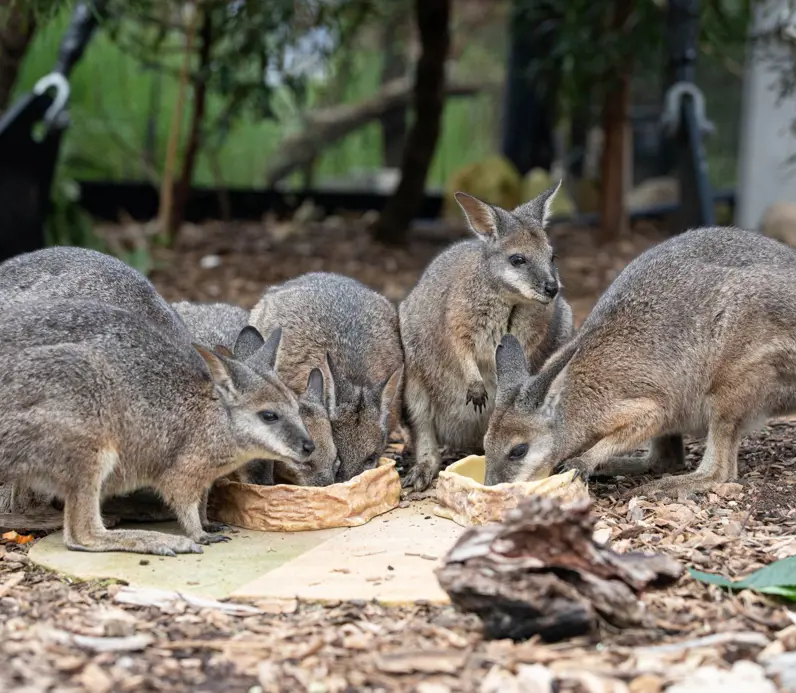
Some wallaby species are mostly solitary whilst others live in groups called mobs. They feed on a range of low-lying vegetation, though grass is the main food source for most wallabies. Some species can survive on very little water, getting most of it from their diets. Thick undergrowth can provide cover from predators, and their agile hops allow a quick escape even in uneven or rocky terrain.
Wallabies are endemic to Australia and New Guinea, yet due to humans can now be found in several other countries around the world. True survivalists, self-sustaining wallaby populations have established themselves across diverse habitats and climates in France, Hawaii, the UK, Ireland, and New Zealand, after deliberate or accidental release. Most of these populations remain relatively small and innocuous, however New Zealand’s invasive population has boomed to over a million wallabies, causing significant harm to local ecosystems and wildlife.
The Australian landscape has undergone significant changes since European settlement, including deforestation, livestock grazing, and introduced predators like foxes. Some species have been able to tolerate these changes, including the Tammar Wallaby, Swamp Wallaby, and Red-necked Wallaby, which all maintain large populations.
Other wallabies like the Nabarlek and the Proserpine Rock-wallaby have been pushed to the brink, and at least two species have been lost. Protecting and re-wilding habitat and reducing invasive predators and competitors can help preserve remaining wallaby populations.
Get up close with your favourite Zoo residents in Sydney and Dubbo.
Discover Dubbo
Discover Sydney
Become a Zoo Parent and make your contribution to precious wildlife.
Learn about Taronga's Conservation Programs.