
Animal Encounters
Get up close with your favourite Zoo residents in Sydney and Dubbo.
Discover Dubbo
Discover Sydney
Scientific nameGorilla gorilla gorilla
Conservation status (IUCN)
Critically Endangered
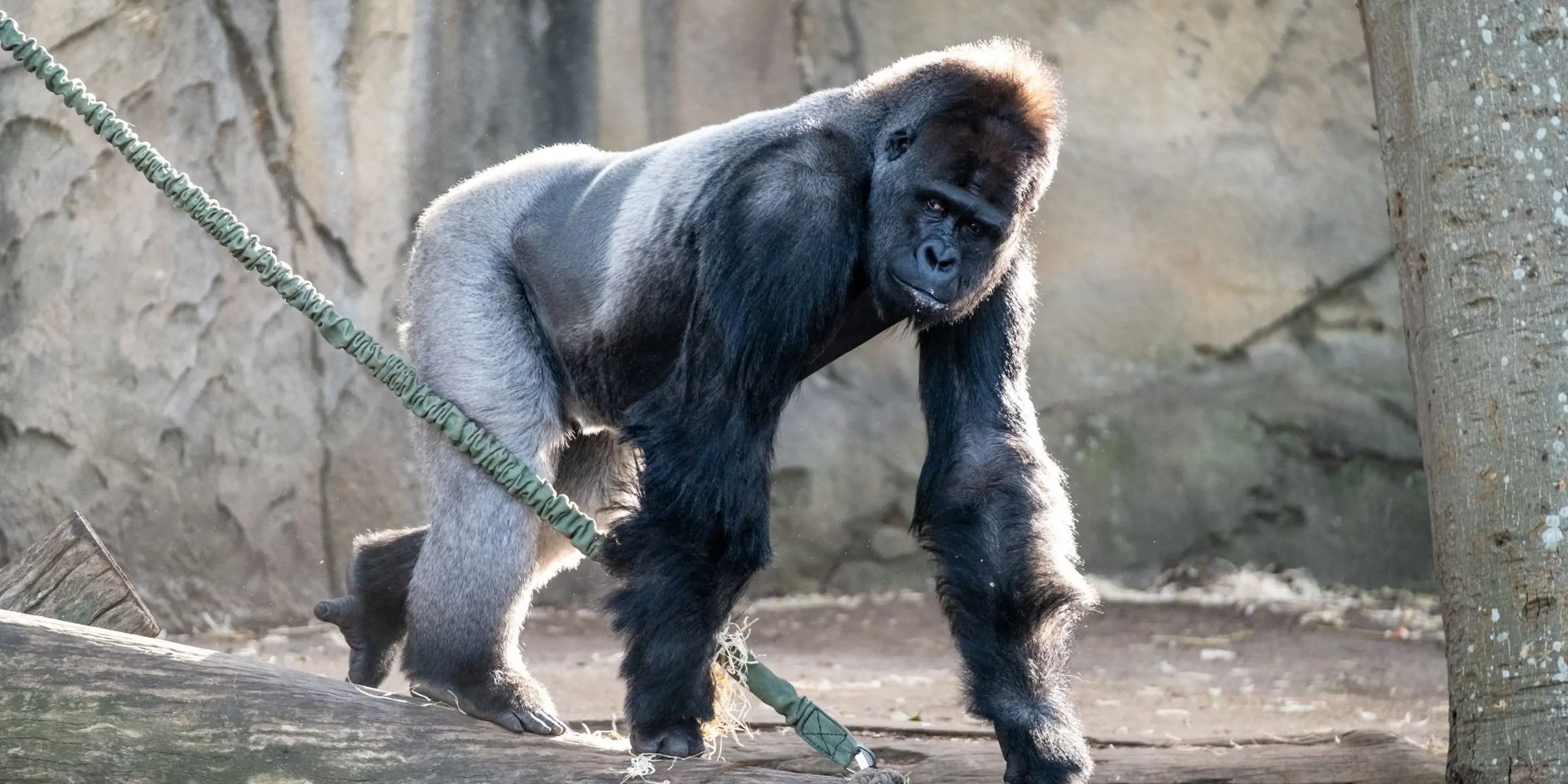
Gorillas are the largest living primates and crucial for their rainforest ecosystems, but human impact is pushing these gentle giants to the brink of extinction.
Gorillas can be seen at Map Ref. 10G
The troop are also most active in the morning and late afternoon
Keeper Talk
We bet you didn't know these facts about these gentle primates.

Scroll across and tap the icons to reveal info on Gorillas.
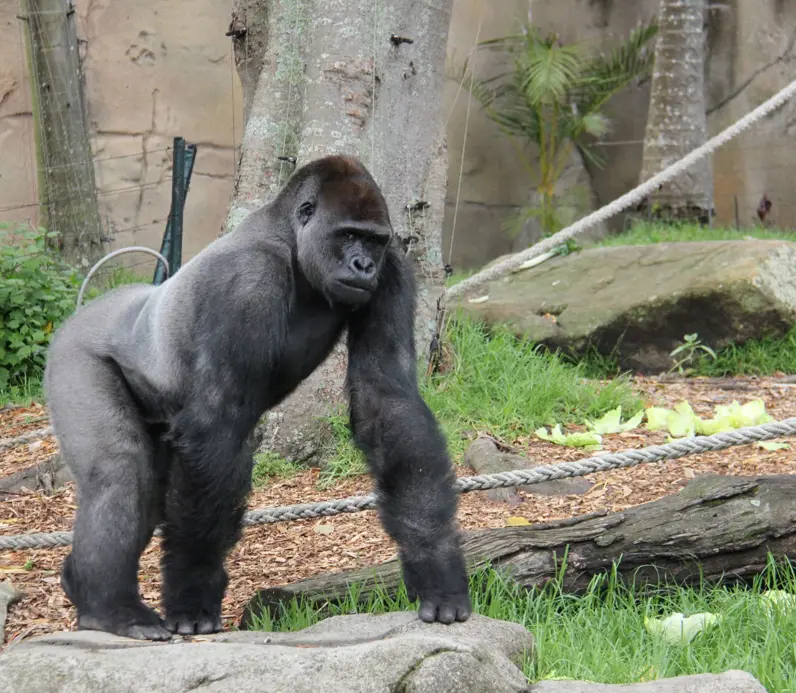
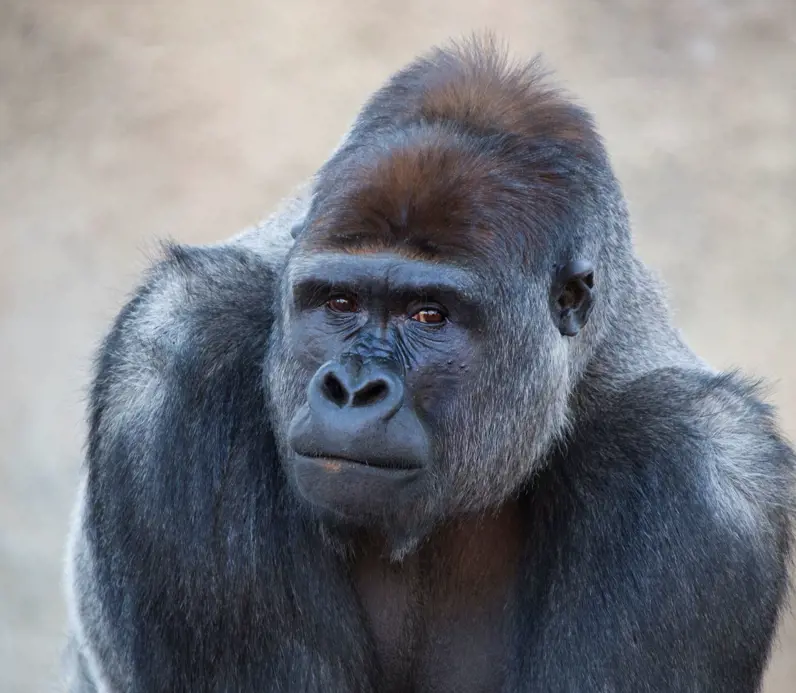
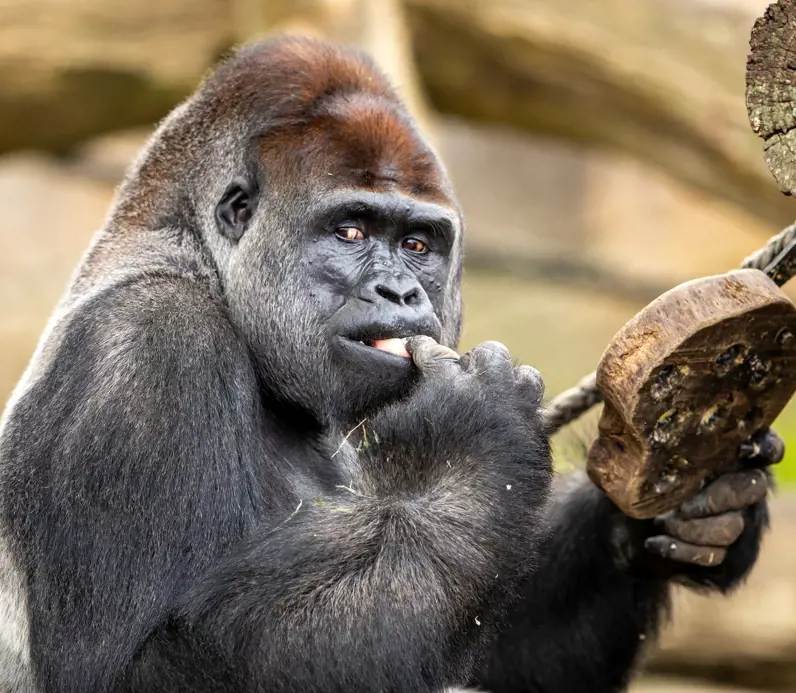
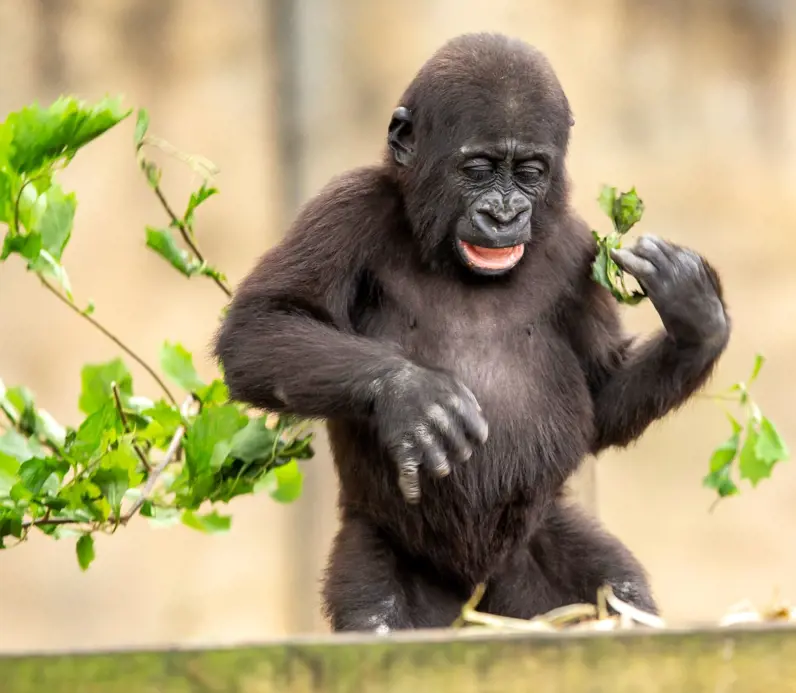
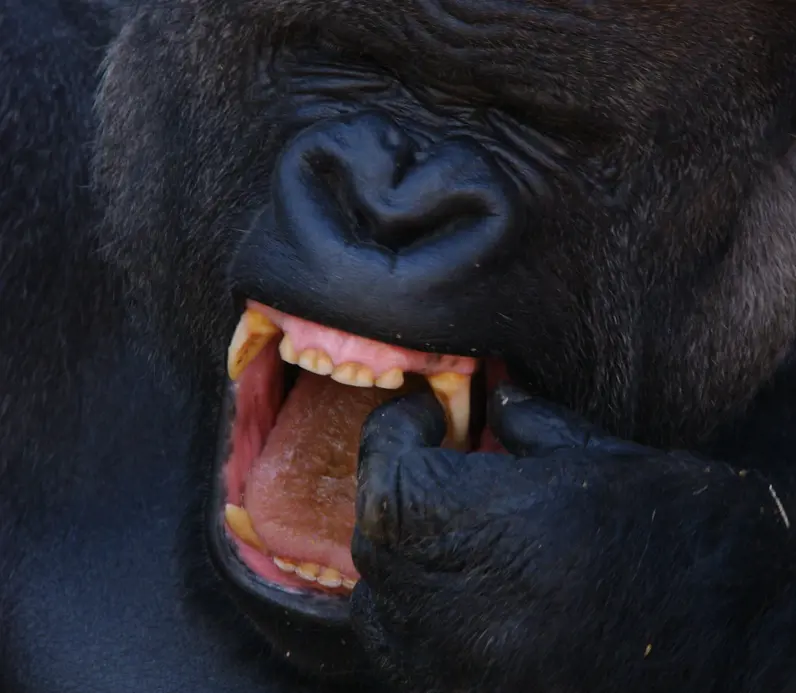
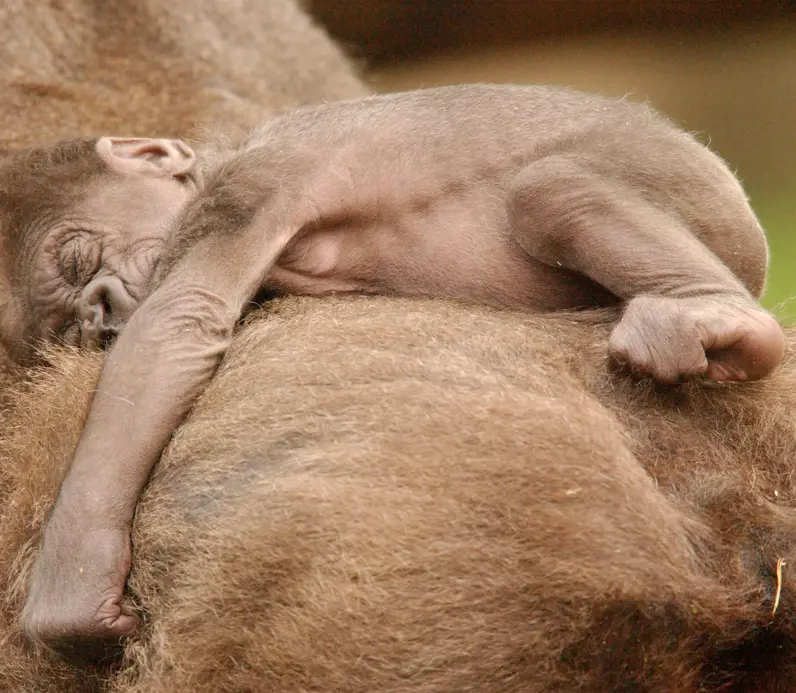

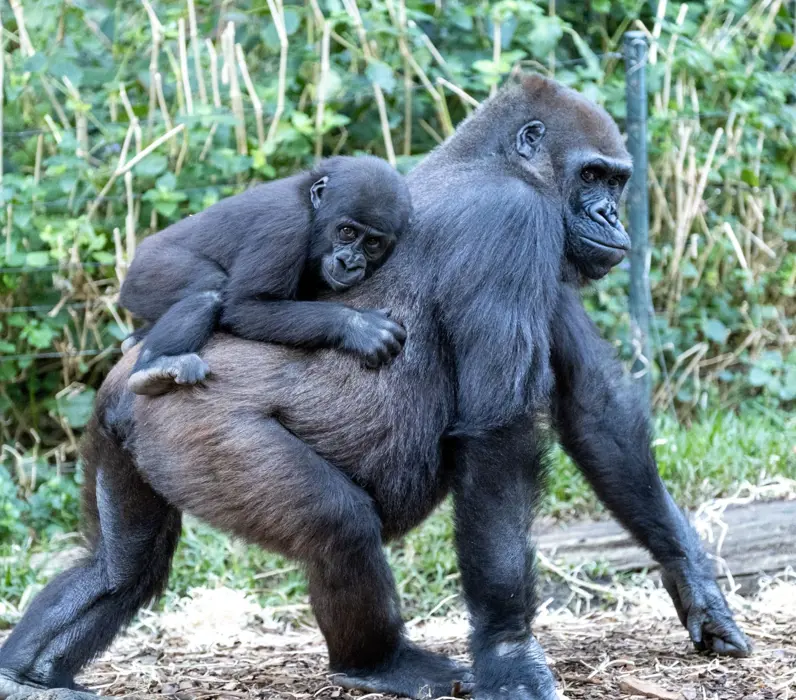

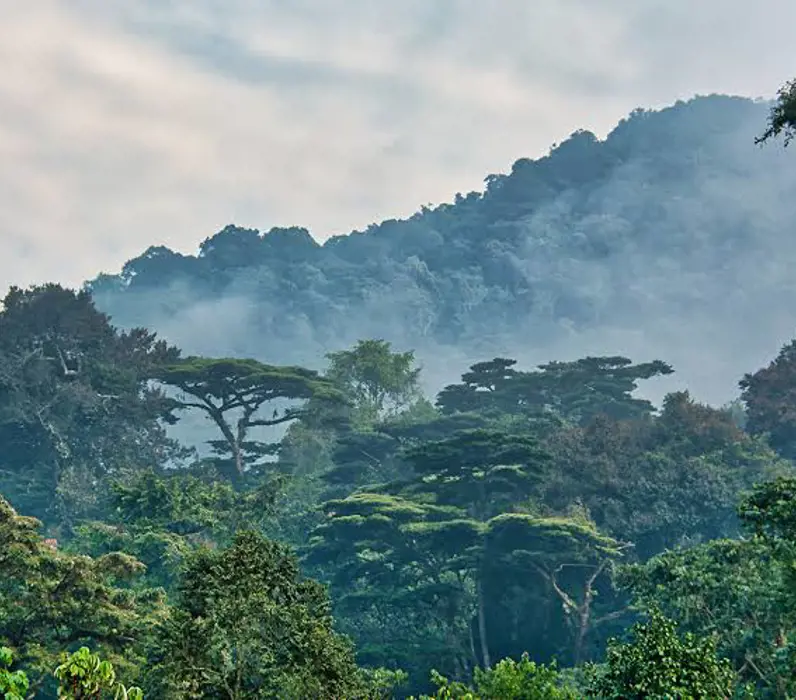

Taronga contributes to an Australasian Species Management Program and/or international breeding program for this species. This helps maintain healthy and resilient zoo-based animal populations by preserving genetic diversity, supporting animal husbandry knowledge, and ensuring exceptional animal welfare, safeguarding the species for the future.
Conservation status (IUCN)
Critically Endangered
Discover more about what makes Gorillas so terrific.
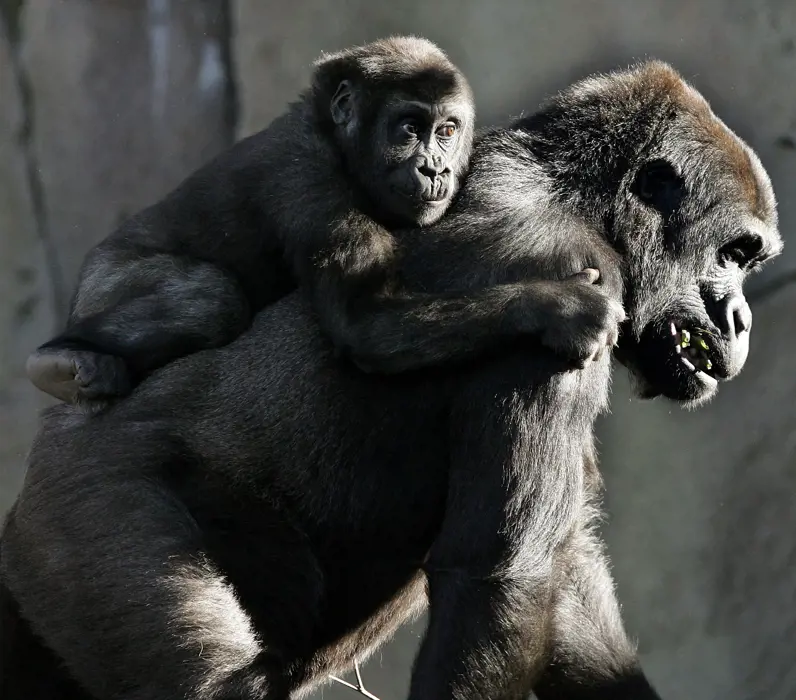
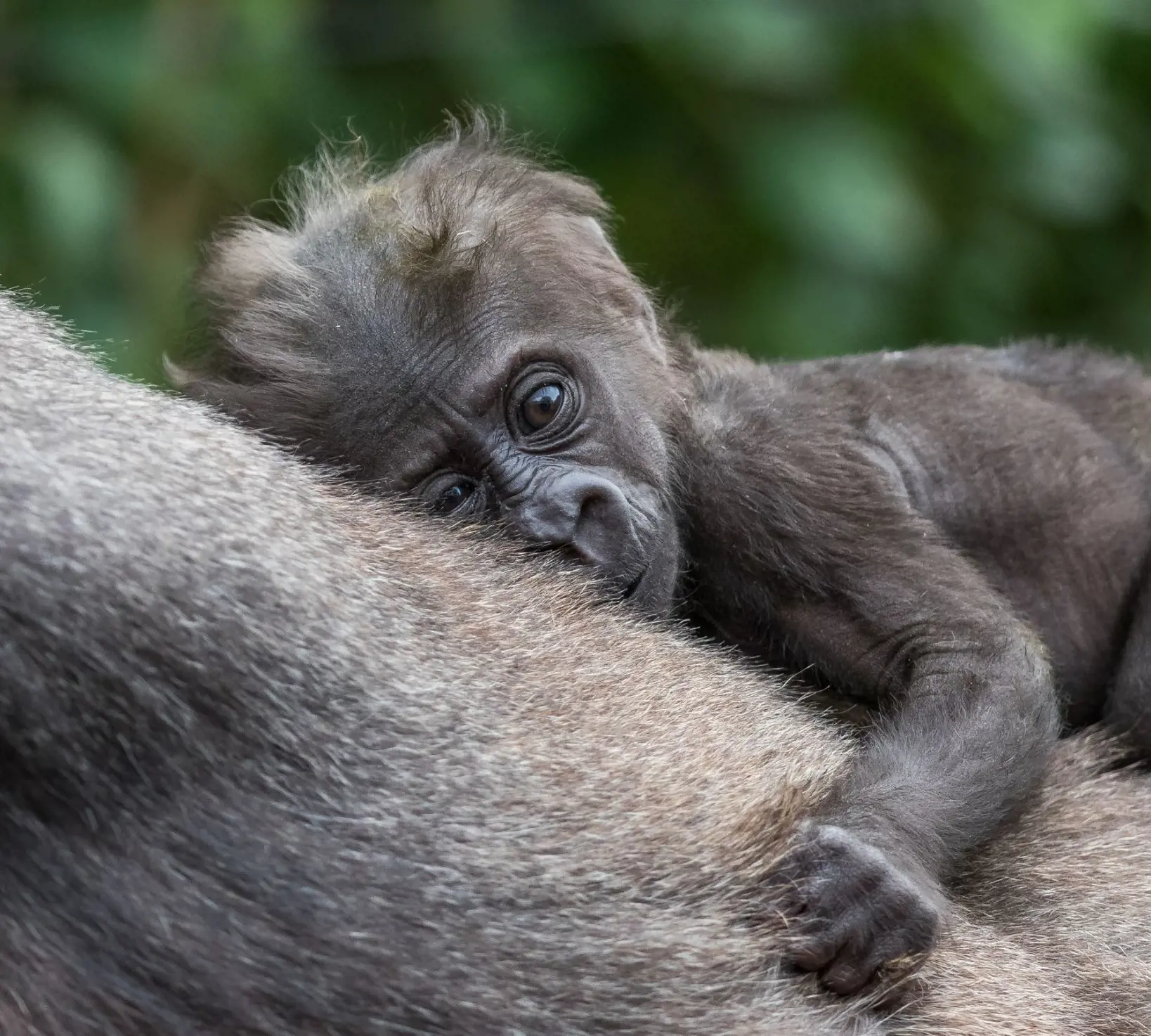
The gorilla is a gentle, social animal that lives in close family groups of five to ten animals. These groups are called troops and provide safety, protection and opportunities for young gorillas to learn.
The group is led by a dominant male called a “silverback.” The silver-coloured hairs on their back develop with sexual maturity from 12 years of age. They mature into Silverbacks around age 20, becoming responsible for leading, protecting and defending the group.
Maturing males are called “Blackbacks”. They form bachelor groups or start their own families with low-ranking females. Ranking is part of the gorilla family's hierarchy. If a low-ranking female has an infant her rank may change as she now plays the important role of mother.
Soft chest beating is commonly used for family communication in the dense forest. More threatening chest beating and roaring is used by the Silverback to protect the group and his position. Young gorillas are often seen practising this behaviour.
Gorillas sleep about 13 hours each night and rest for several hours during the middle of the day. Each gorilla builds two nests every day - one for the midday sleep and one for the night. A nest is never used twice. The nests are made by bending plants, leaves and branches into a springy platform, usually on the ground or in low trees.
You can recycle your phone at both of Taronga’s Zoos! But wait, what do mobile phones have to do with Gorillas, Siamang and other great apes? Find out with They’re Calling On You.
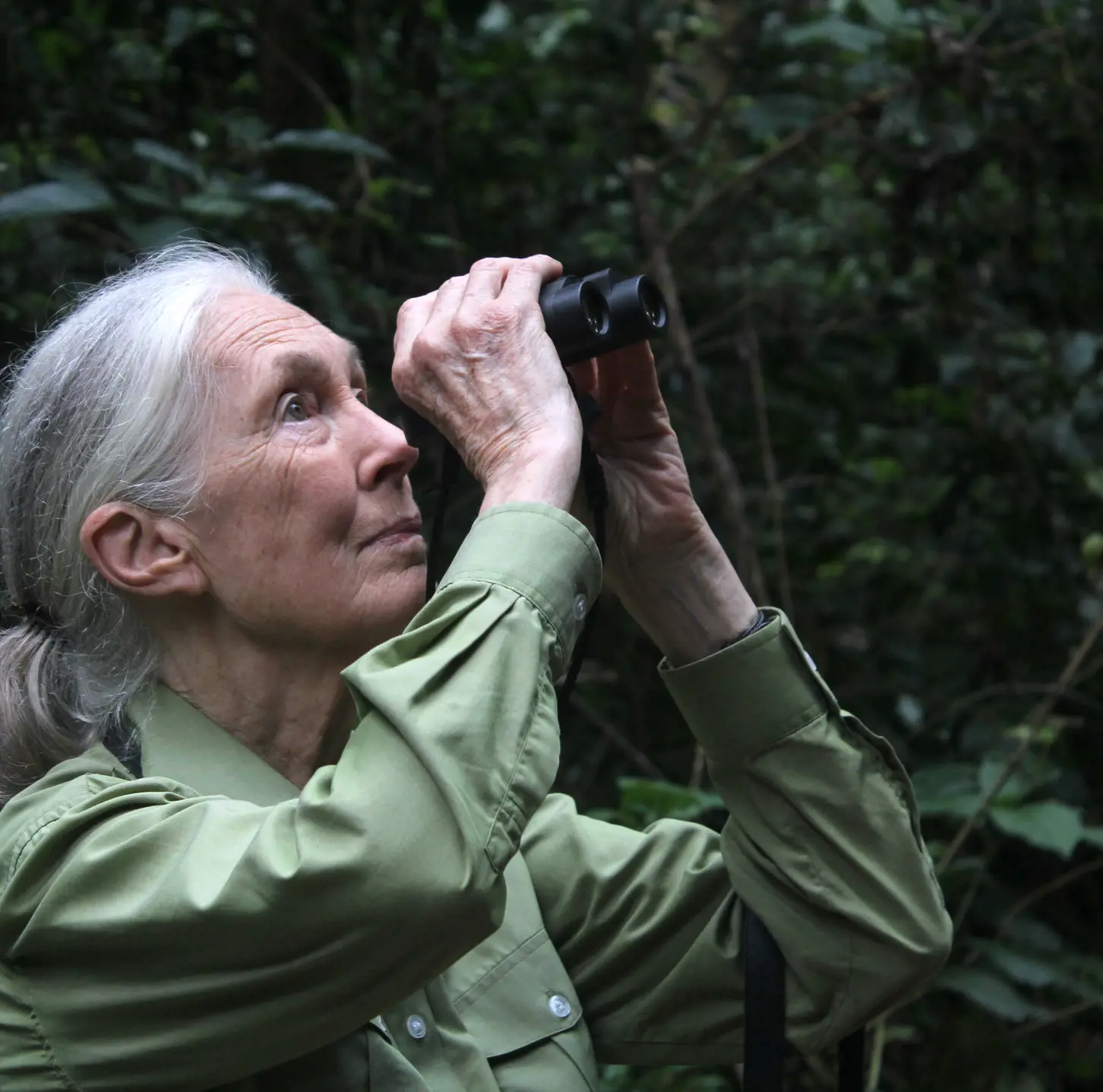
Taronga proudly supports the efforts of the Jane Goodall Institute Australia in their efforts to protect gorillas, chimpanzees and other apes from extinction. Their work includes efforts to end poaching, protect and restore habitat, and rehabilitate trafficked animals through community-centred conservation programs across Africa.
Get up close with your favourite Zoo residents in Sydney and Dubbo.
Discover Dubbo
Discover Sydney
Become a Zoo Parent and make your contribution to precious wildlife.
Learn about Taronga's Conservation Programs.