

Animal Encounters
Get up close with your favourite Zoo residents in Sydney and Dubbo.
Discover Dubbo
Discover Sydney
Scientific nameNeophoca cinerea
Conservation status (IUCN)
Endangered
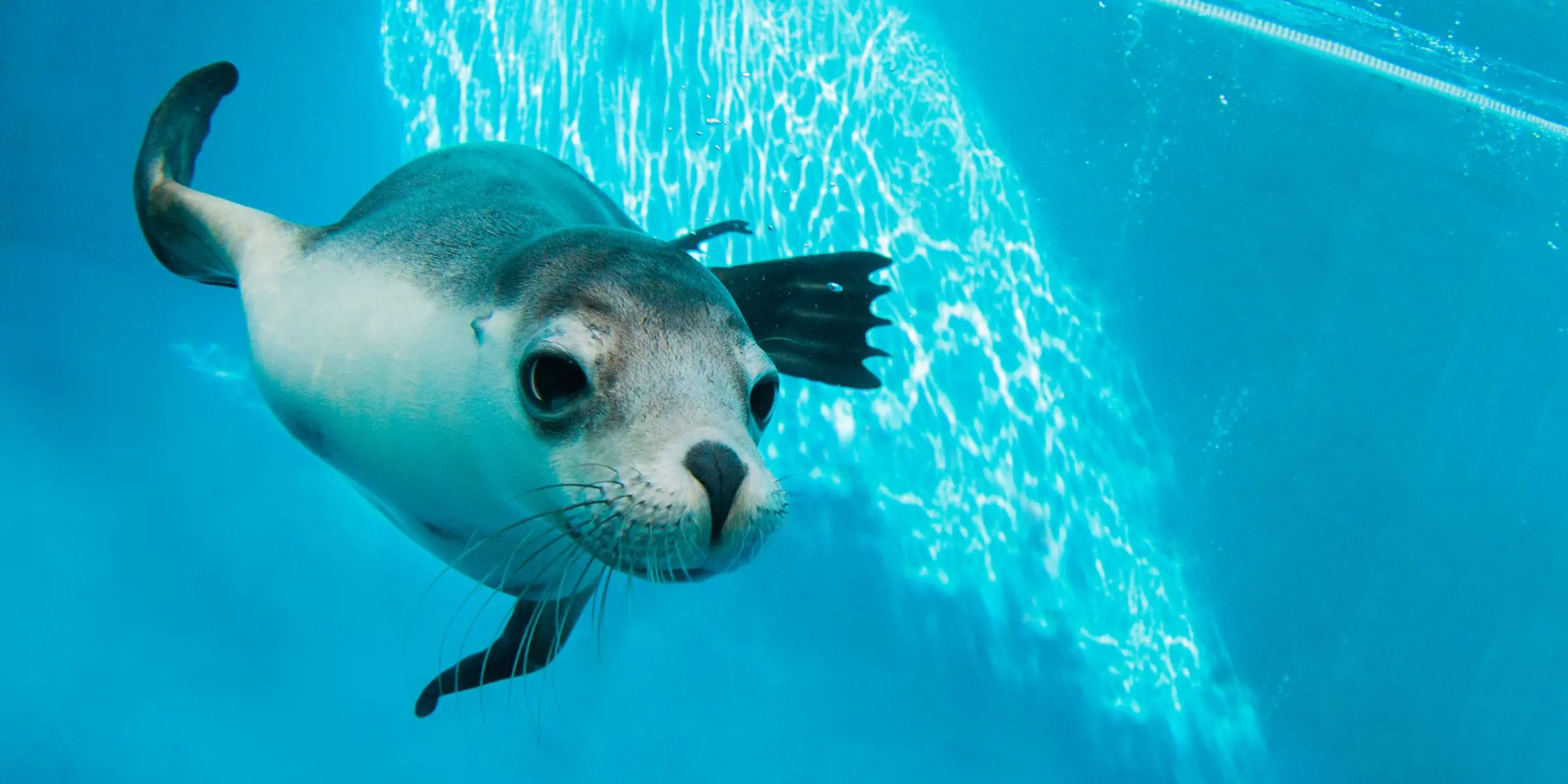
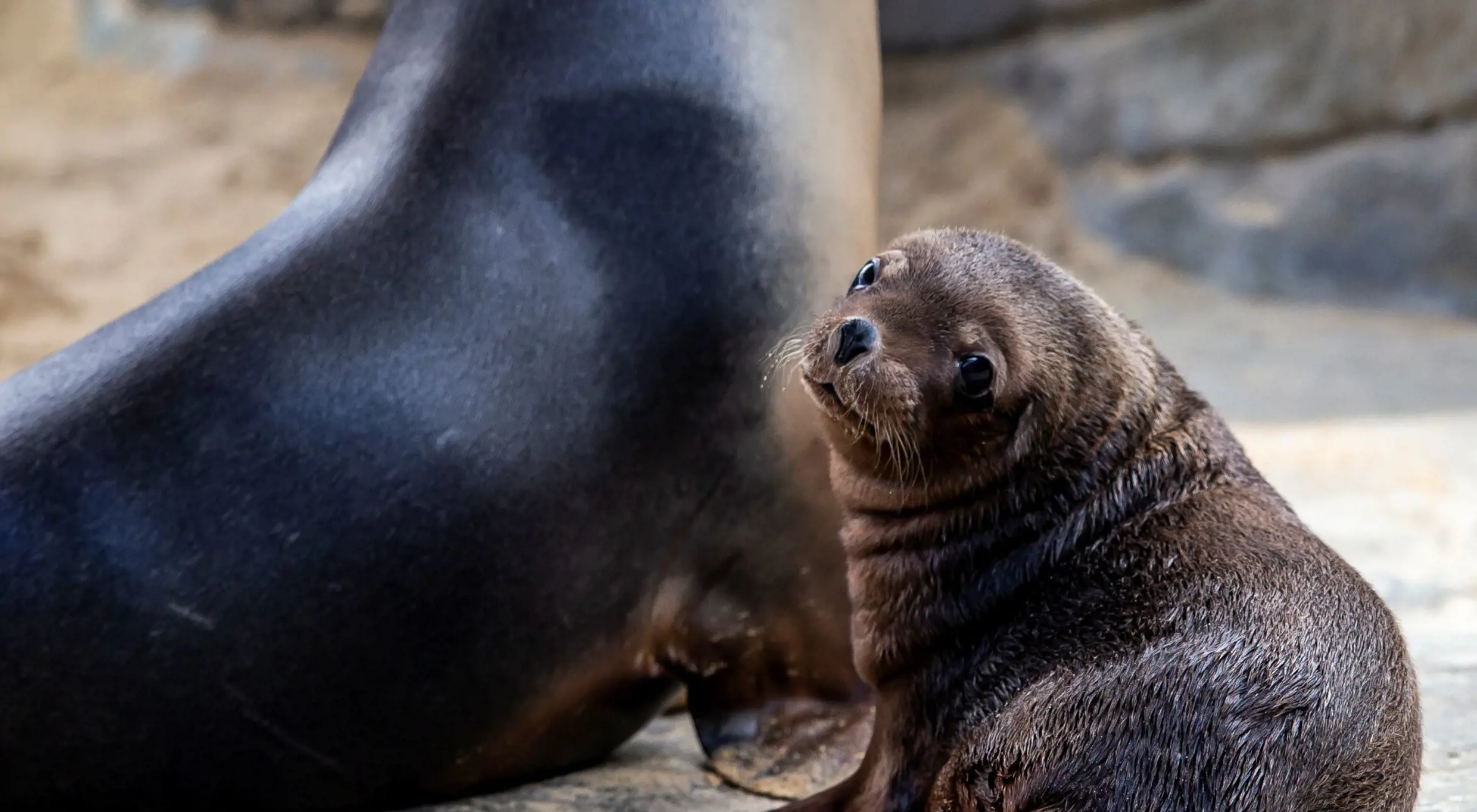
Australian Sea Lions are the only seal species endemic to Australia. They have a bellowing roar and a bold yellow mane made of long thick hairs. It is easy to see why this semi-aquatic predator got its name!
You can find our seals at Great Southern Oceans. Keep an eye out at Seal Cove any time during the day to spot these magnificant seals.
11:00am and 2:00pm
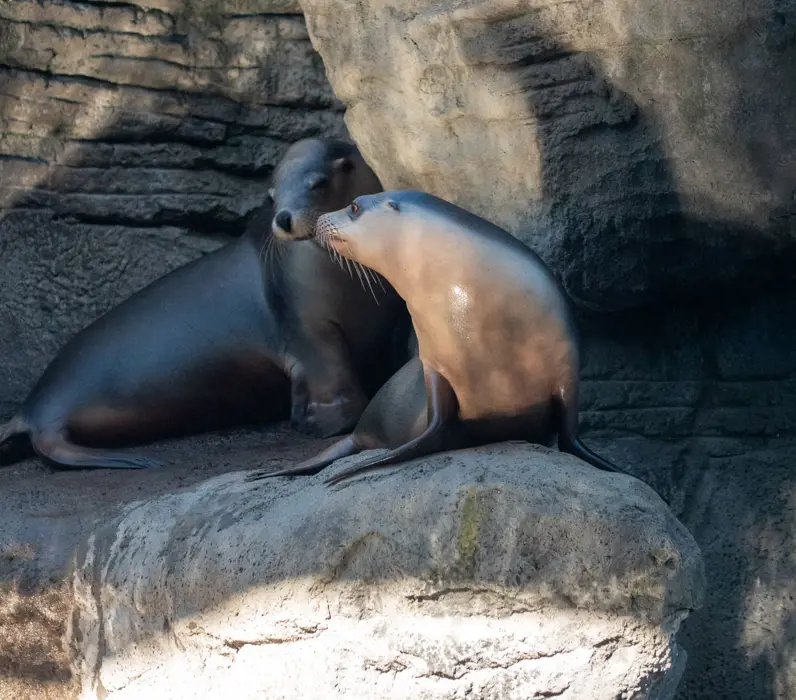

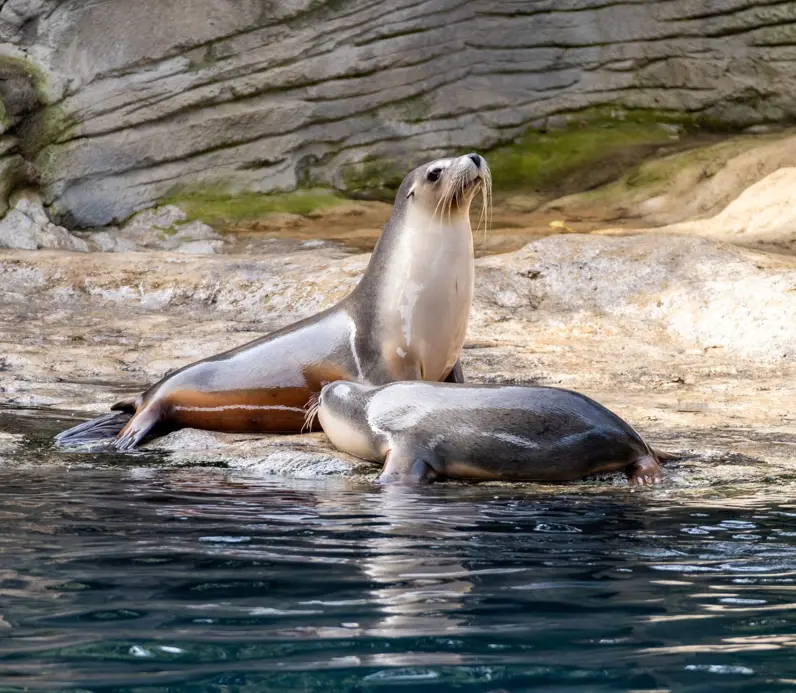




We bet you didn't know these facts about these seriously cool seals!

Scroll across to reveal Australian Sea-lion facts.
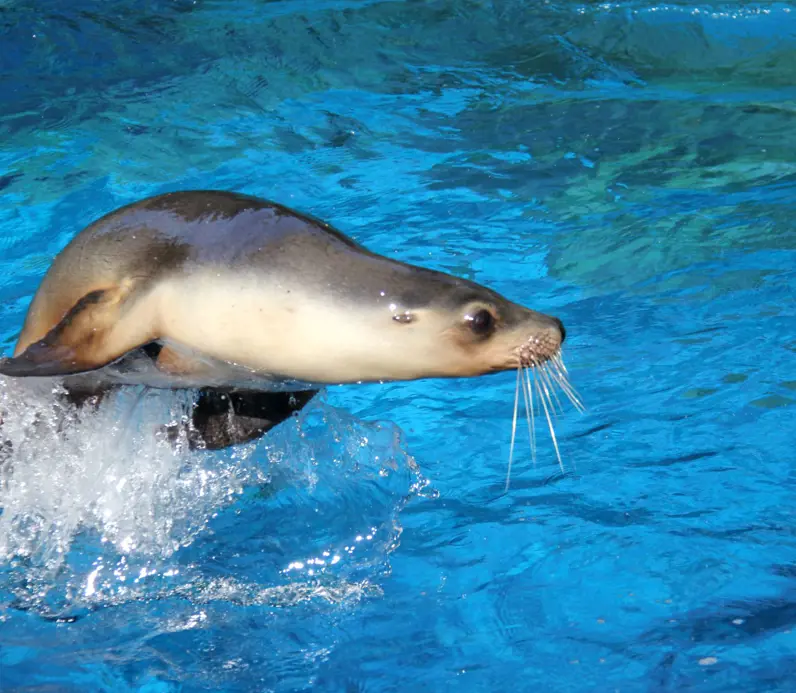
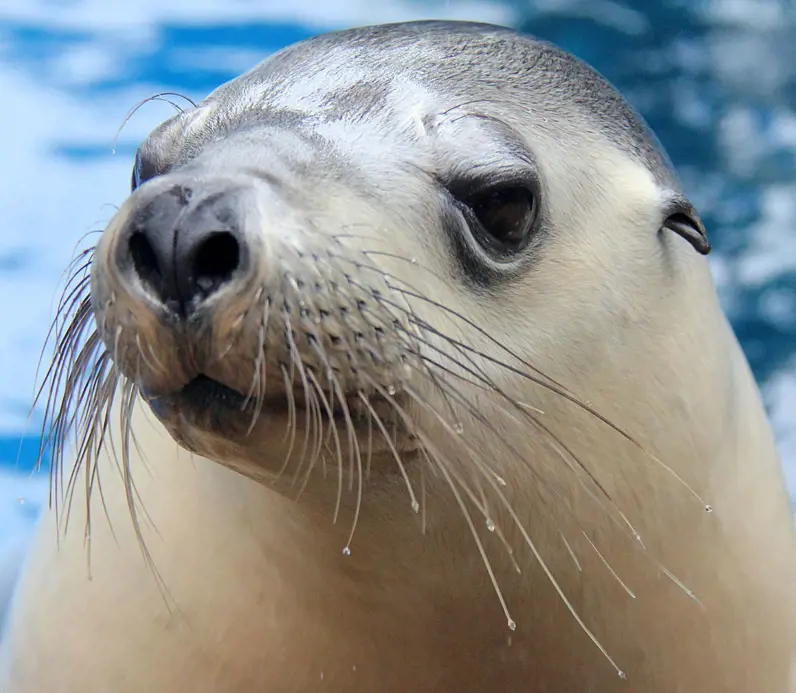
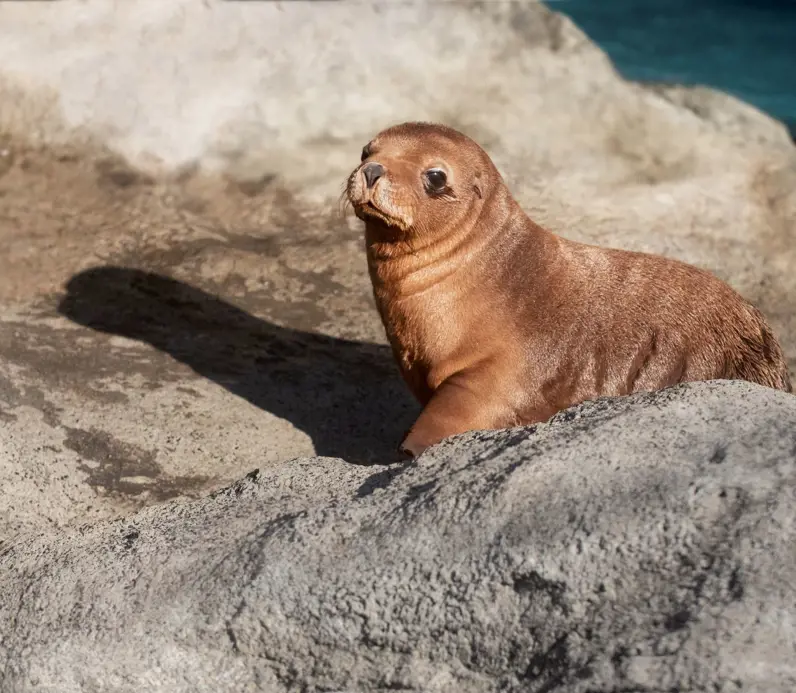
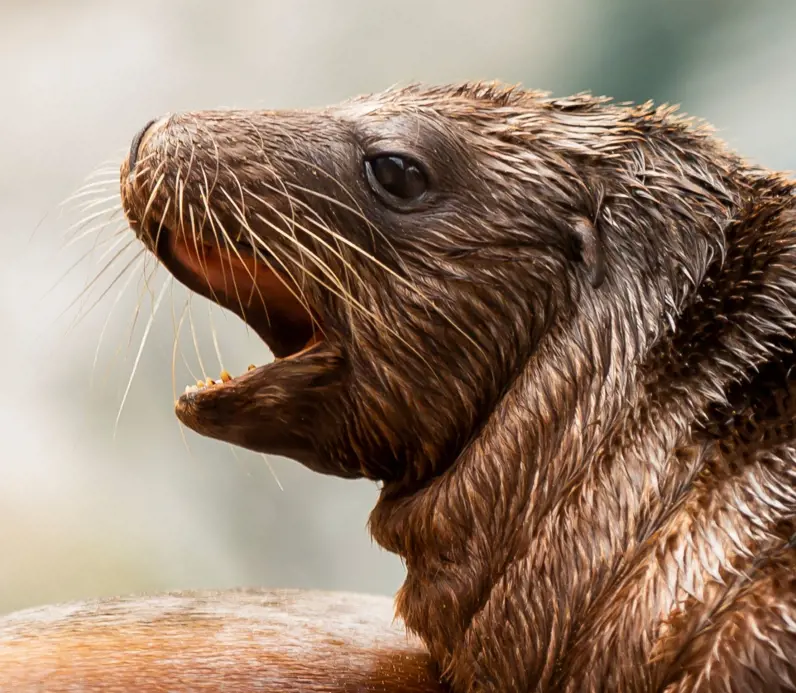
In Australia, we use the term ‘seal’ to describe all seals and sea-lions. Scientifically speaking, there are three types of pinnipeds or seals, Odobenidae (which consists of only the walrus), otariids (eared seals) and phocids (true seals).
All Taronga's seals are otariids (eared seals). Fur seals and sea-lions are both eared seals but their fur differs - fur seals have two layers of fur, sea lions have one. These seals have external ears and have a flexible hip joint allowing them to tuck their flippers under their body to walk on four flippers. True seals or phocids are unable to do this and move on land like a caterpillar, bouncing and wiggling.
These marine mammals are endemic to Australian waters, found from Houtman Abrolhos, north of Perth, to The Pages, east of Kangaroo Island. Colonies occur on sandy beaches and protected bays, both on the mainland and offshore islands. Females return to their birth site to breed.
Australian Sea-lions are carnivores that eat a diverse diet of sea creatures. Cephalopods such as octopus, cuttlefish, and squid are their main food source, but they also feed on fish, crustaceans like crabs and lobsters, small sharks, rays, and sometimes even penguins. They are opportunistic feeders that catch most of their food on the sea floor, commonly foraging amongst seagrass meadows, or diving as deep as 150m.
These predators can sometimes fall prey to larger animals like Great White Sharks and Orcas.
Australian Sea-lions were hunted near extinction from the 18th to early 20th century, and though now a protected species, they have not fully recovered to their historic population levels. The Australian Sea-lion is classed as endangered, facing a range of high rates of entanglement with fishing gear, overfishing of their prey, and human disturbance of colonies.
Wild sea lions can be seen along much of Australia’s southern coastline in South Australia and Western Australia. Sydney’s beaches and harbour are home to Australian Fur Seals and Long-nosed Fur Seals, such as the famous Benny who basks on the steps of the Sydney Opera House. If you do spot a seal or sea lion in the wild it is important to keep your distance to avoid any disturbance and keep you both safe.
The best way to get up close with these majestic mammals is to visit the Great Southern Oceans habitat and the Seals for the Wild Presentation at Taronga Zoo Sydney.
Taronga hosts the species breeding program for this animal through the Zoos and Aquarium Association (ZAA). This means we work with experts across Australasia to manage animal populations, not just to breed, but also support important husbandry knowledge, safeguarding this species for the future.
Conservation status (IUCN)
Endangered
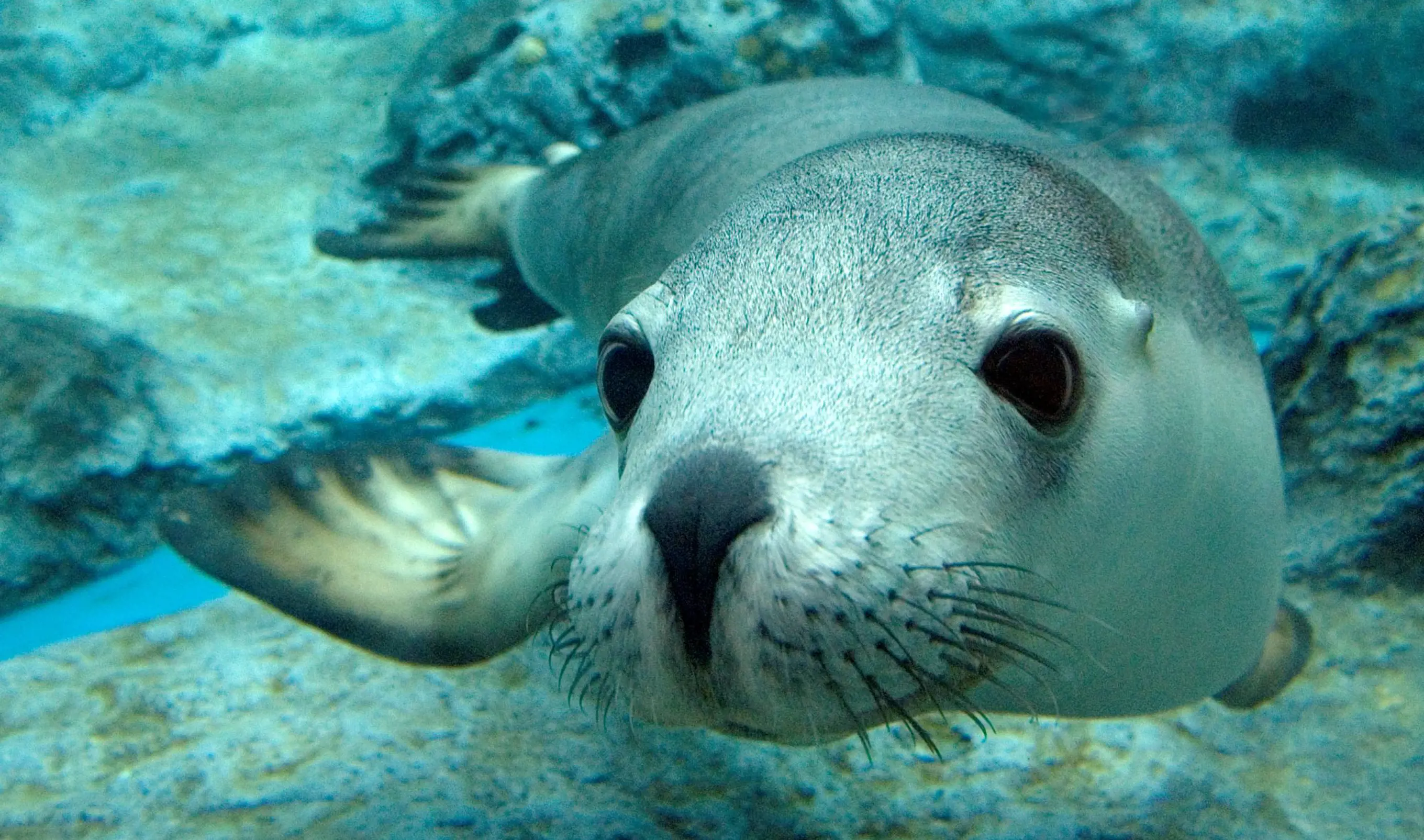
There aren’t plenty more fish in the sea. Choose seafood with the MSC blue fish tick label, support sustainable fishing and protect our oceans. Learn how you can help with Fish For Good.
Discover educational resources from Kindergarten to year 6.
Get up close with your favourite Zoo residents in Sydney and Dubbo.
Discover Dubbo
Discover Sydney
Become a Zoo Parent and make your contribution to precious wildlife.
Learn about Taronga's Conservation Programs.