Inland Taipan
Scientific nameOxyuranus microlepidotus
Conservation status (IUCN)
Least Concern
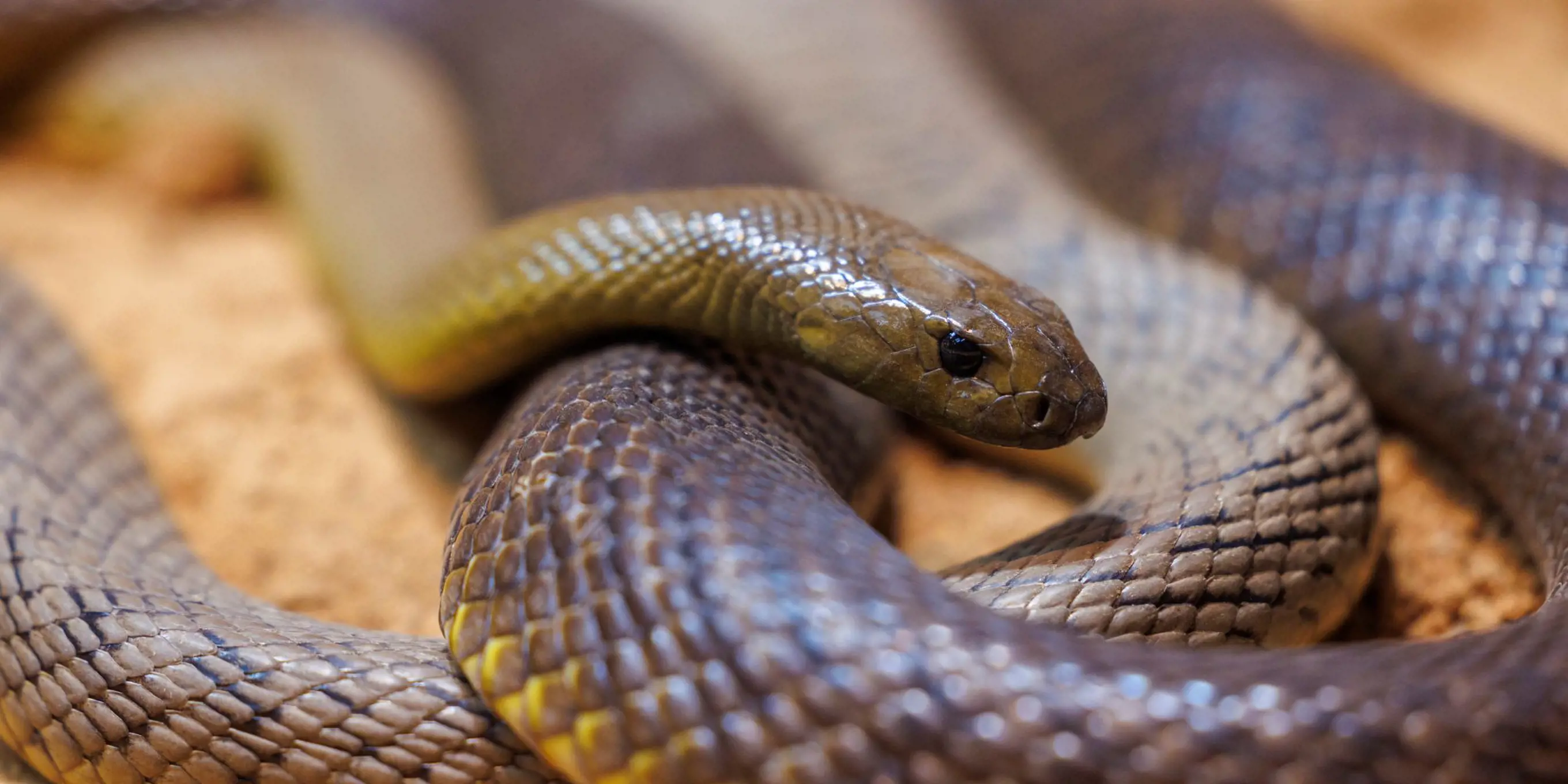
The Inland Taipan is the world’s most venomous snake, also known as the Fierce Snake. Despite this reputation, humans are rarely bitten as the snake is both shy and found only in remote semi-arid areas.
Visitor tips for Sydney
You can see an Inland Taipan in ARC.
Fun facts about Inland Taipan

20yrs
Where they're found
What they eat

1.8m

20
20yrs
Where they're found
What they eat
1.8m
20
Did you know?
We bet you didn't know these facts about this venomous snake.

Tap the icons
Scroll across to reveal Inland Taipan facts.
Mammal muncher
Taipans are amongst Australia’s elapid snakes (snakes with short fangs that inject neurotoxins) and feed on mammals, lizards and frogs.
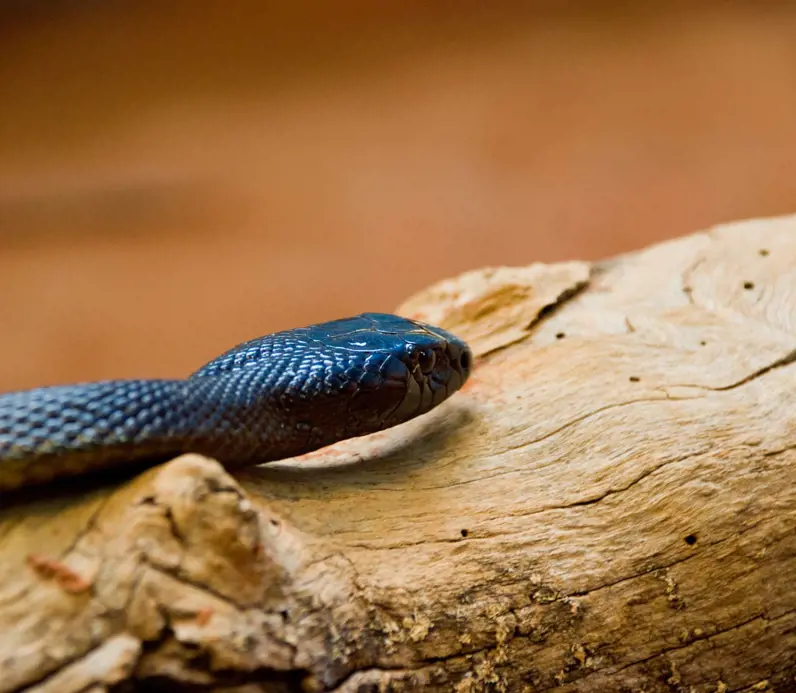
Shy snake
Inland Taipans are a shy and placid snake around people and will only ever bite people when threatened.
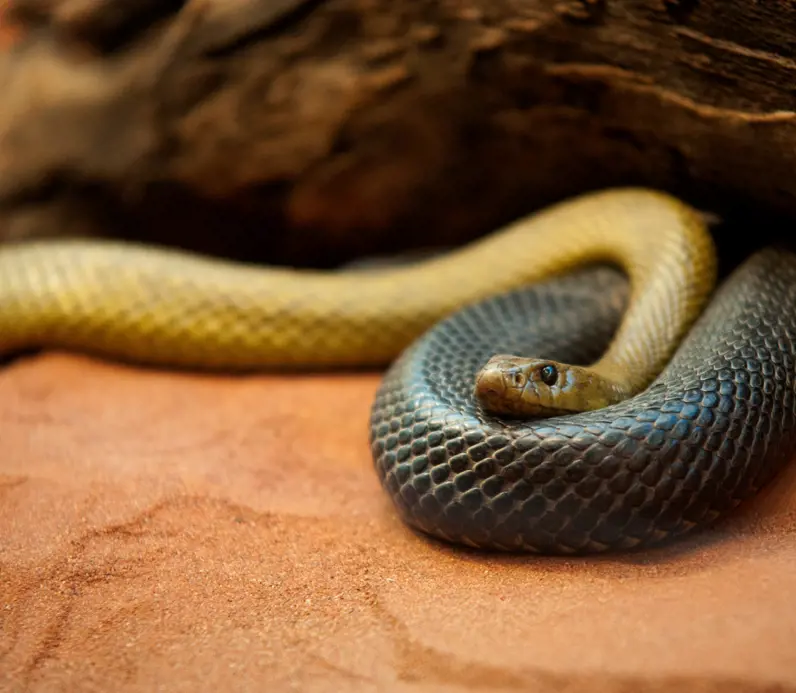
Changes with the seasons
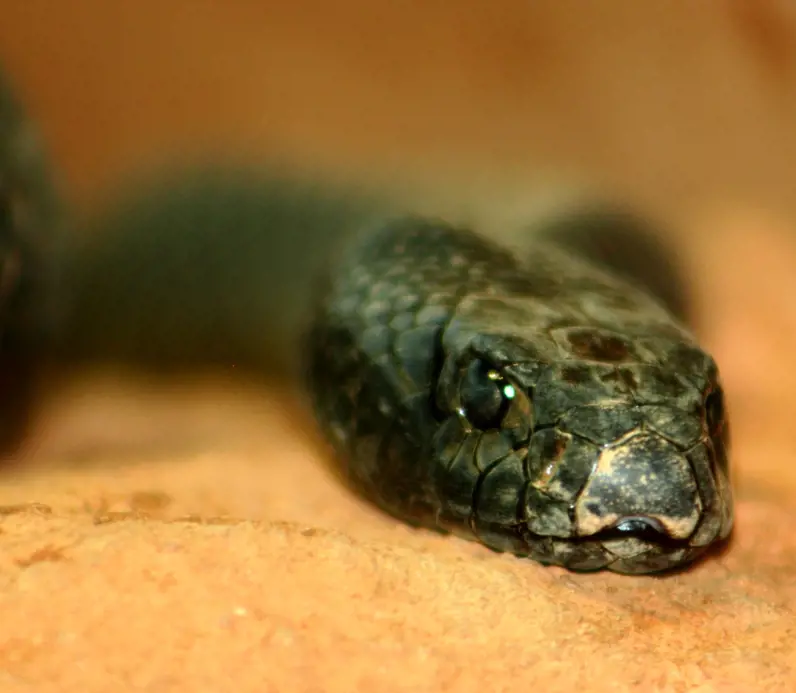
The Inland Taipan changes colour with the seasons, and become darker in winter – allowing them to absorb more heat.
Inland Taipan deep dive
The Inland Taipan’s venom is the world’s most toxic snake venom, with a single bite capable of killing around 200,000 mice. It is believed that the high potency of their venom has evolved for as specialisation for eating dangerous mammals. The venom acts quickly to kill the prey before they can bite back or escape.
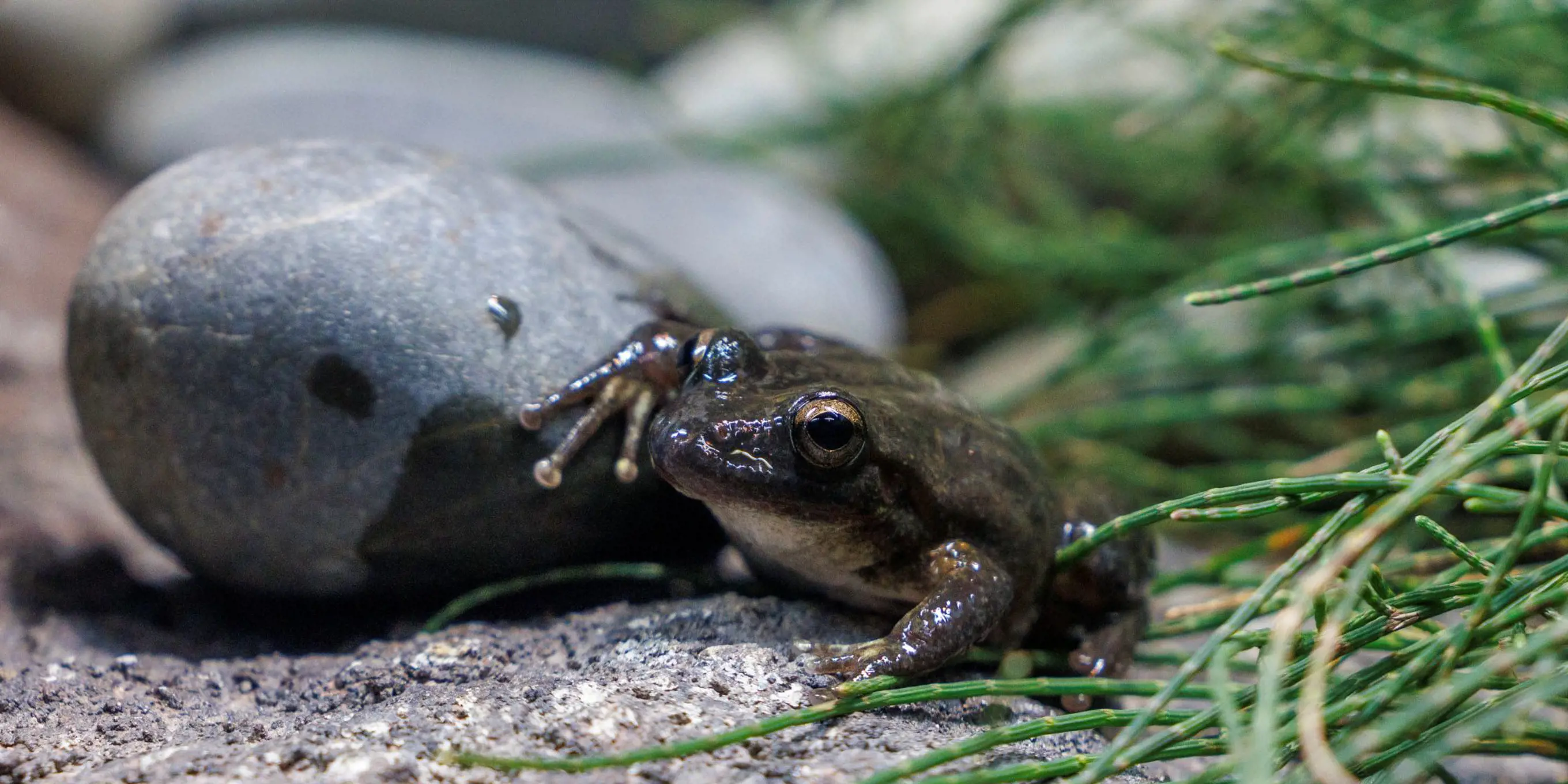
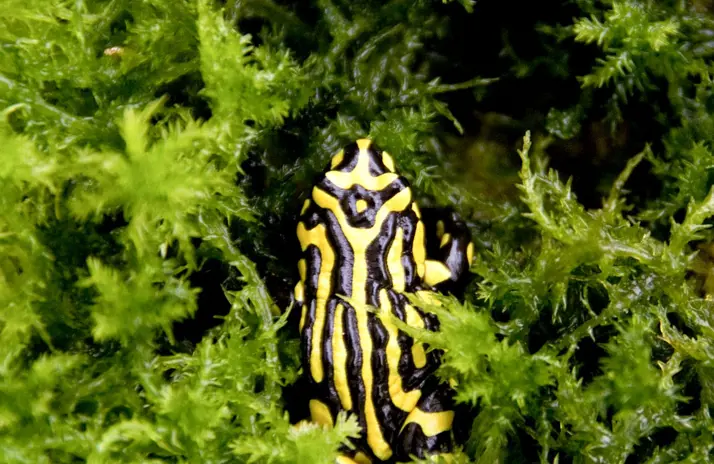
Venom is a toxin that is injected into the prey’s body, such as with sharp fangs, whilst poison is a toxin that acts when ingested or swallowed. This is why snakes like the Inland Taipan are considered venomous, whereas frogs like the Corroboree Frog are called poisonous.
Sometimes called a Fierce Snake for their deadly bite, their behaviour is anything but. They are a shy and placid snake around people and will only ever bite people when threatened. Living in remote regions, they are rarely seen by people. Only a handful of bites have ever been recorded, with no fatalities. Like all snakes, if seen they are best left alone and observed from a safe distance.
Though less extreme as what may be seen amongst lizards, this snake undergoes biannual colour changes with the seasons. They are a dark colour in Winter which allows more heat absorption, and fade to a lighter colour in summer.
This species has disappeared from parts of its historic range, likely including NSW, however is currently classed as Least Concern. As mammal-specialists, taipans have been less affected by the spread of poisonous Cane Toads across Australia than other snakes. Their specialisation in mammals however makes them dependent on prey availability, which has been reduced in areas by cats and foxes. They have also been assessed as highly vulnerable to the future impacts of climate change on the Australian landscape.