Animal Encounters
Get up close with your favourite Zoo residents in Sydney and Dubbo.
Discover Dubbo
Discover Sydney
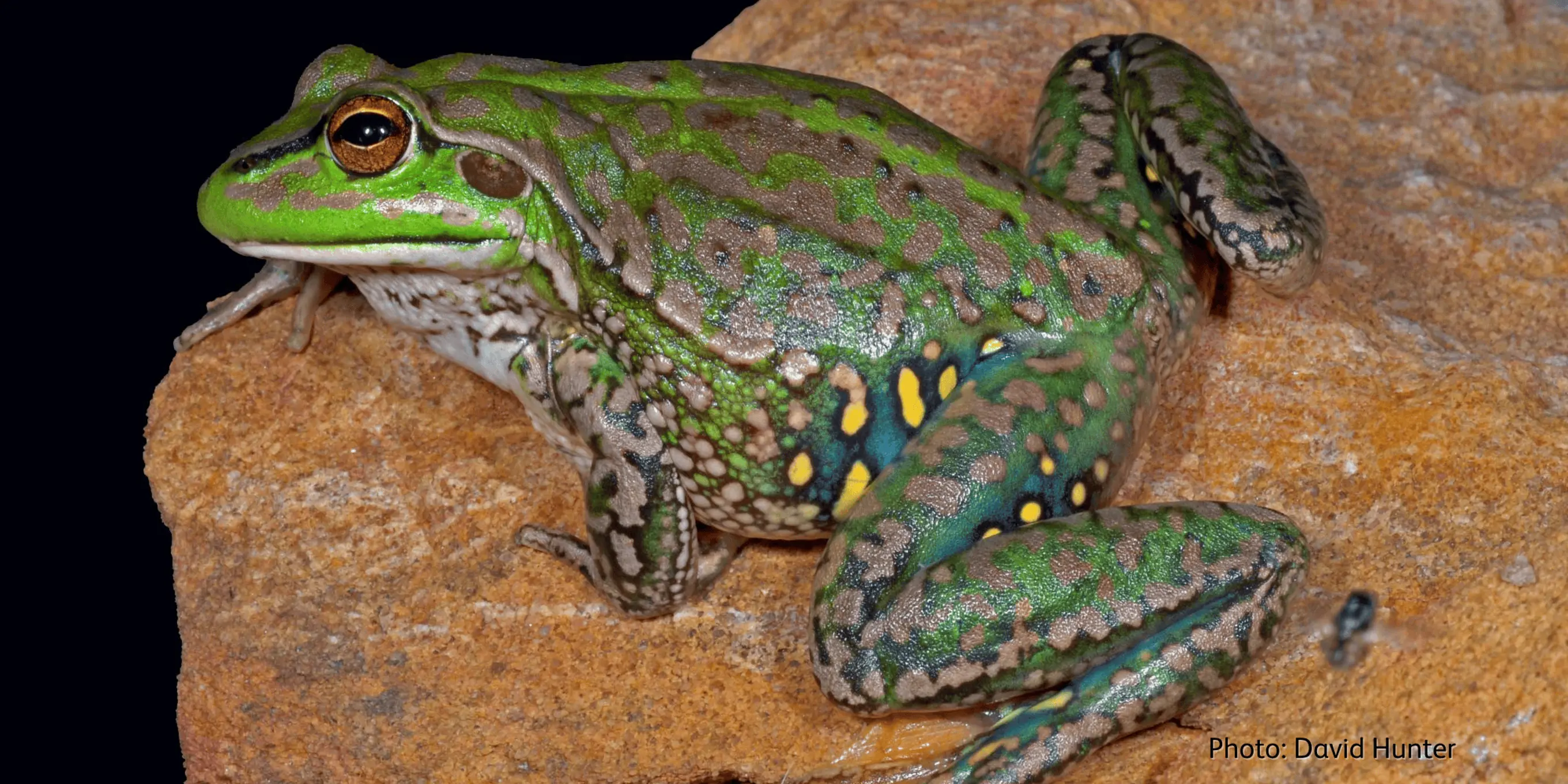
Scientific nameRhyaconastes (Litoria) booroolongensis
Conservation status (IUCN)
Endangered
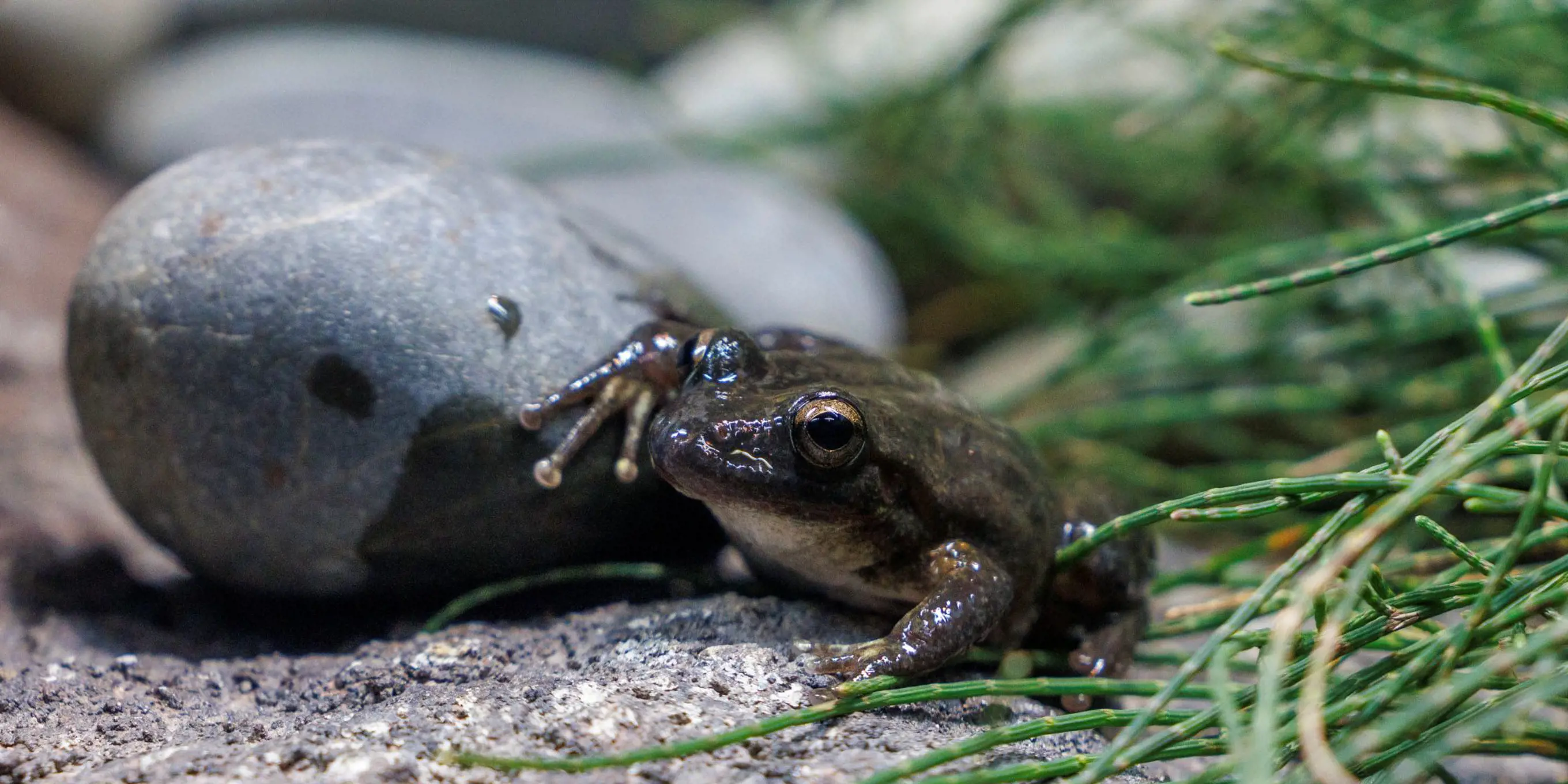
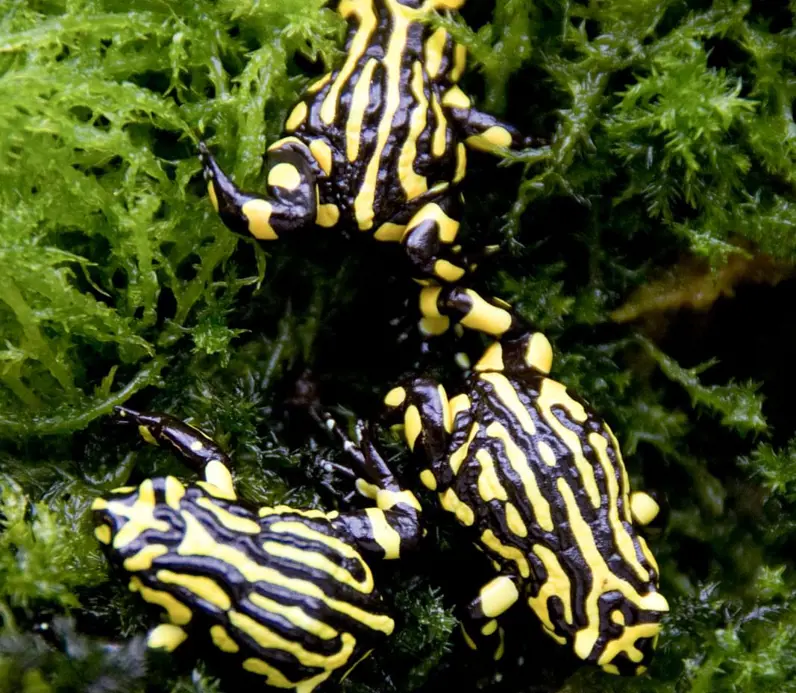
The Booroolong Frog is a small tree frog that is native to Australia. It has disappeared from much of its historic range, but our breed-for-release program is returning them back to their natural habitat.
You can see Booroolong Frogs in ARC.
11:00am

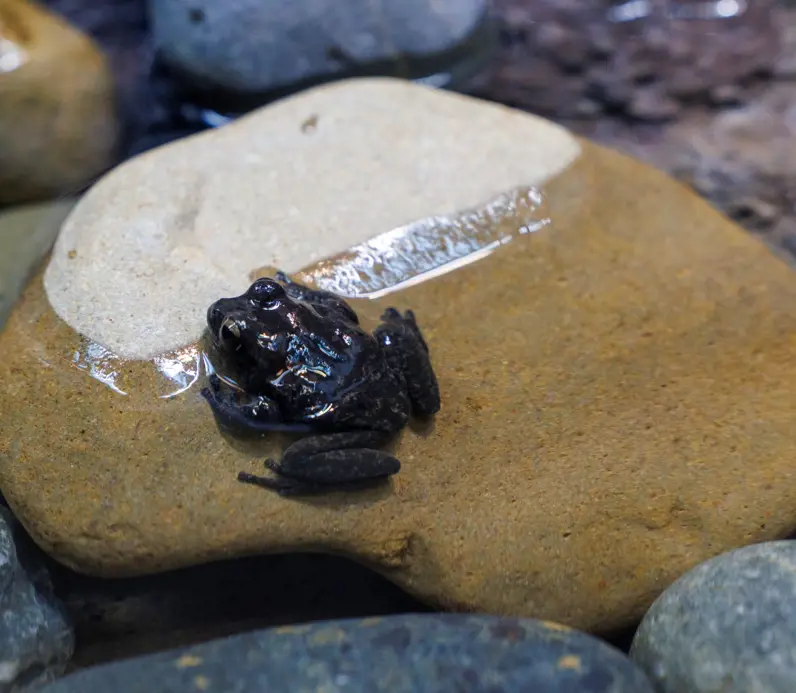

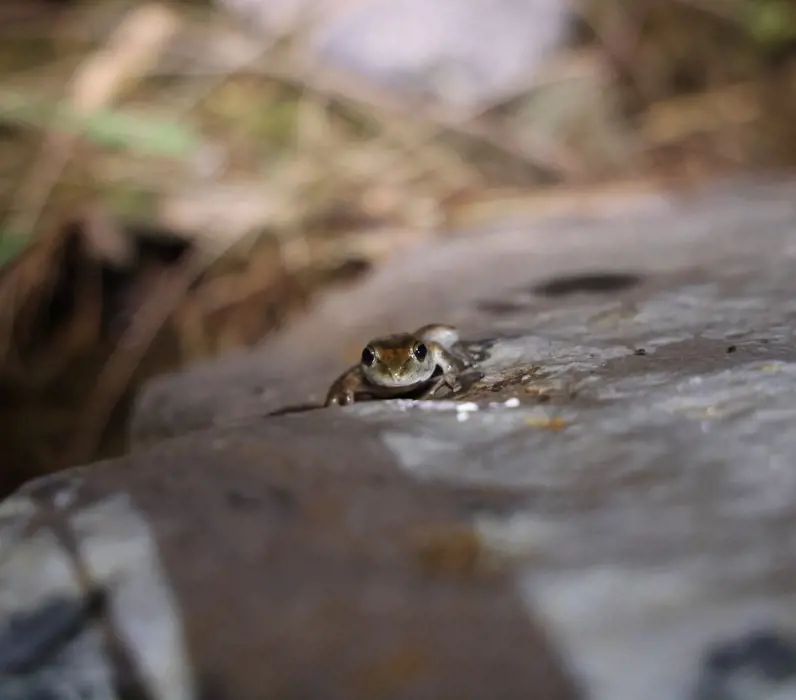

We bet you didn't know these facts this Australian amphibian.

Scroll across to reveal Booroolong Frog facts.
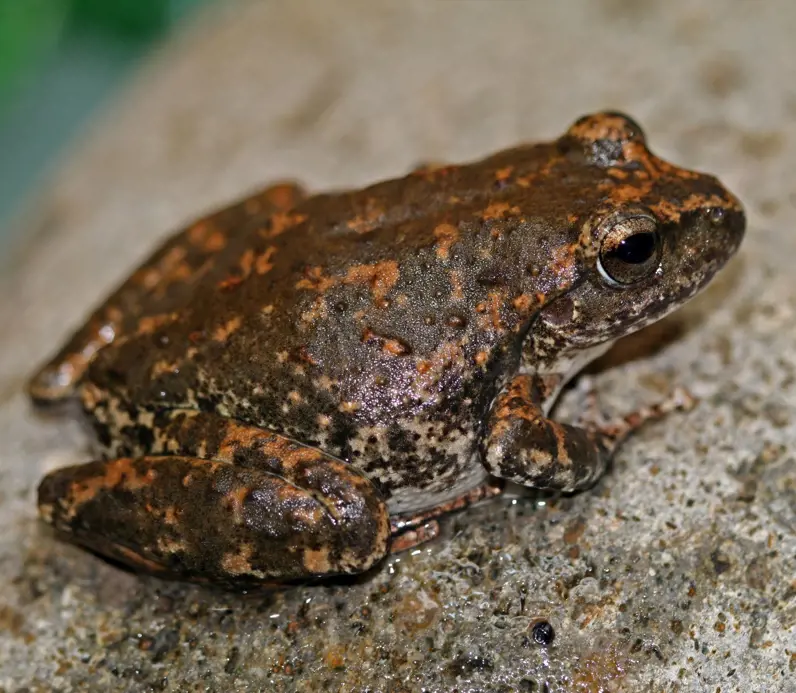
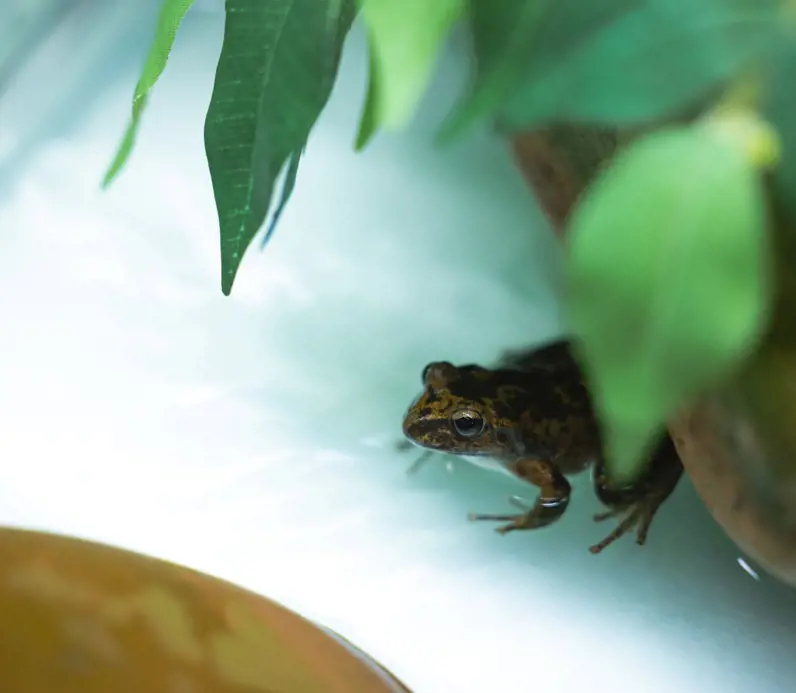
Conservation status (IUCN)
Endangered
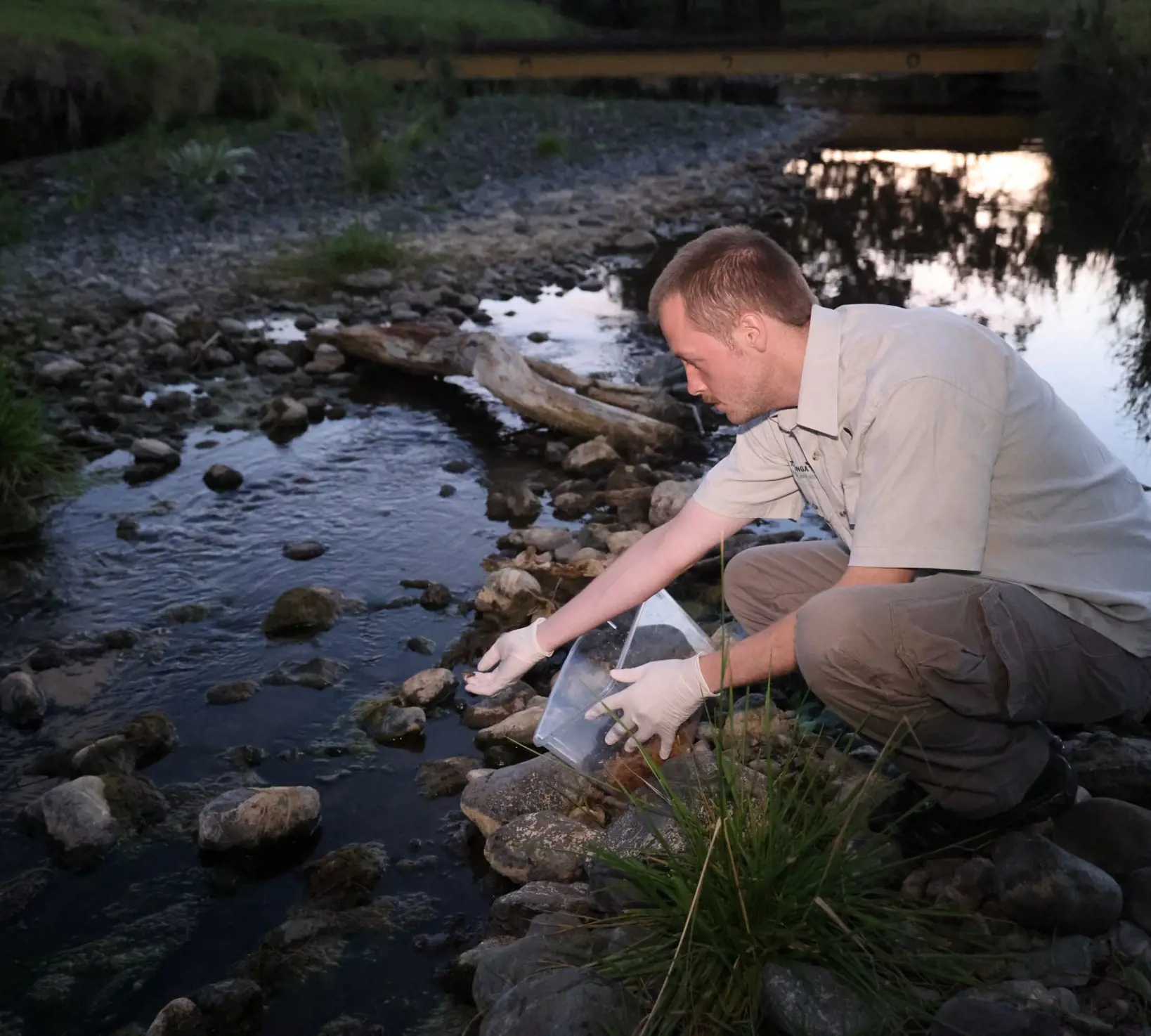
Taronga's Booroolong Frog conservation stats - and counting!

Booroolong Frogs perform an important role in their ecosystems by eating river pests and being a food source for other animals. Tadpoles feed on algae and decaying matter in the bottom of the water. As they rely on healthy river systems, this species can be an important indicator of environmental changes for local scientists.
The disease caused by chytrid fungus has seen frog populations around the world decline, including the Booroolong Frog. It can be spread through water or direct contact with other frogs, attacking the skin and supressing immune response. Globally, around 90 species of amphibians have gone extinct due to this fungal disease. The Booroolong Frog is one of several species impacted by this disease that Taronga is working to save from extinction.
Booroolong Frogs only live in streams that flow year-round so are highly susceptible to droughts that dry riverbeds. Climate change is making drought events more frequent and extreme, further threatening their long-term survival. Changes to land and water use as well as introduced fish and plant species pose further threats.
Frog numbers are in decline and as populations shrink the genetic diversity within those populations is at risk of decreasing too. When genetic diversity in a population is high, the frogs are more resilient to changing pressures, like environmental impacts and disease. To ensure that maximum genetic diversity is passed on, our scientists are cryopreserving sperm from male frogs as part of Taronga’s CryoDiversity Bank Program. These samples are kept at -196 degrees Celsius and can remain frozen for a very long time; decades or even centuries! This frozen sperm will be strategically reintroduced into the population in later generations using assisted breeding methods to maintain the genetic diversity of the population and increase the frog species' chance of survival.
Get up close with your favourite Zoo residents in Sydney and Dubbo.
Discover Dubbo
Discover Sydney
Become a Zoo Parent and make your contribution to precious wildlife.
Learn about Taronga's Conservation Programs.