

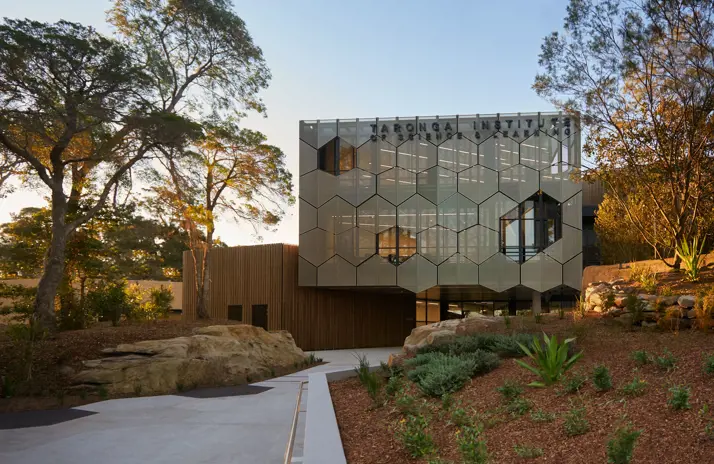
Taronga Institute of Science and Learning
To help us shape a future for wildlife and people, we’ve created the Taronga Institute of Science and Learning, a world-class facility right here at Taronga Zoo Sydney.
Scientific nameSouthern: Pseudophryne corroboree, Northern: Pseudophryne pengilleyi
Conservation status (IUCN)
Critically Endangered
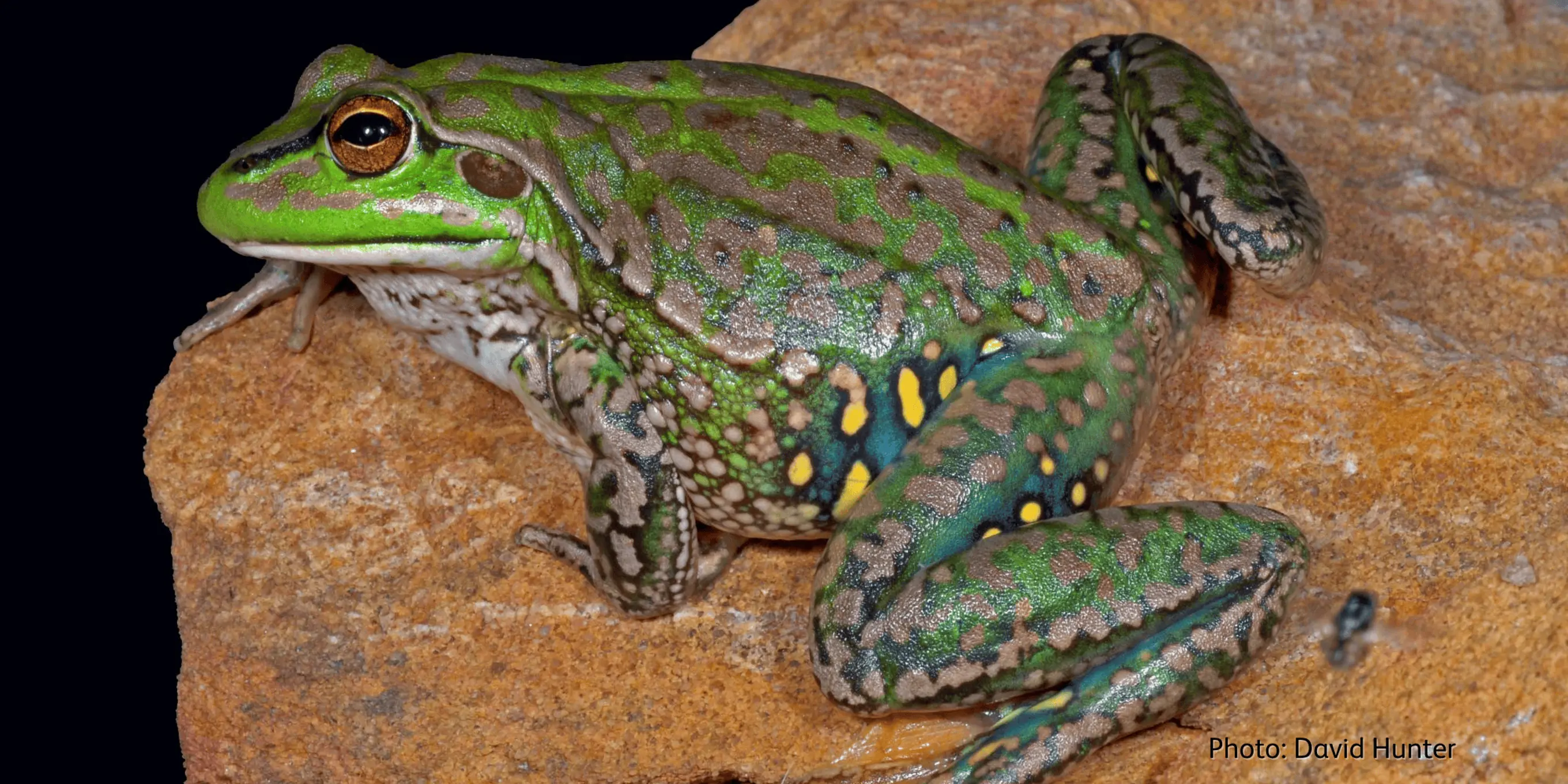
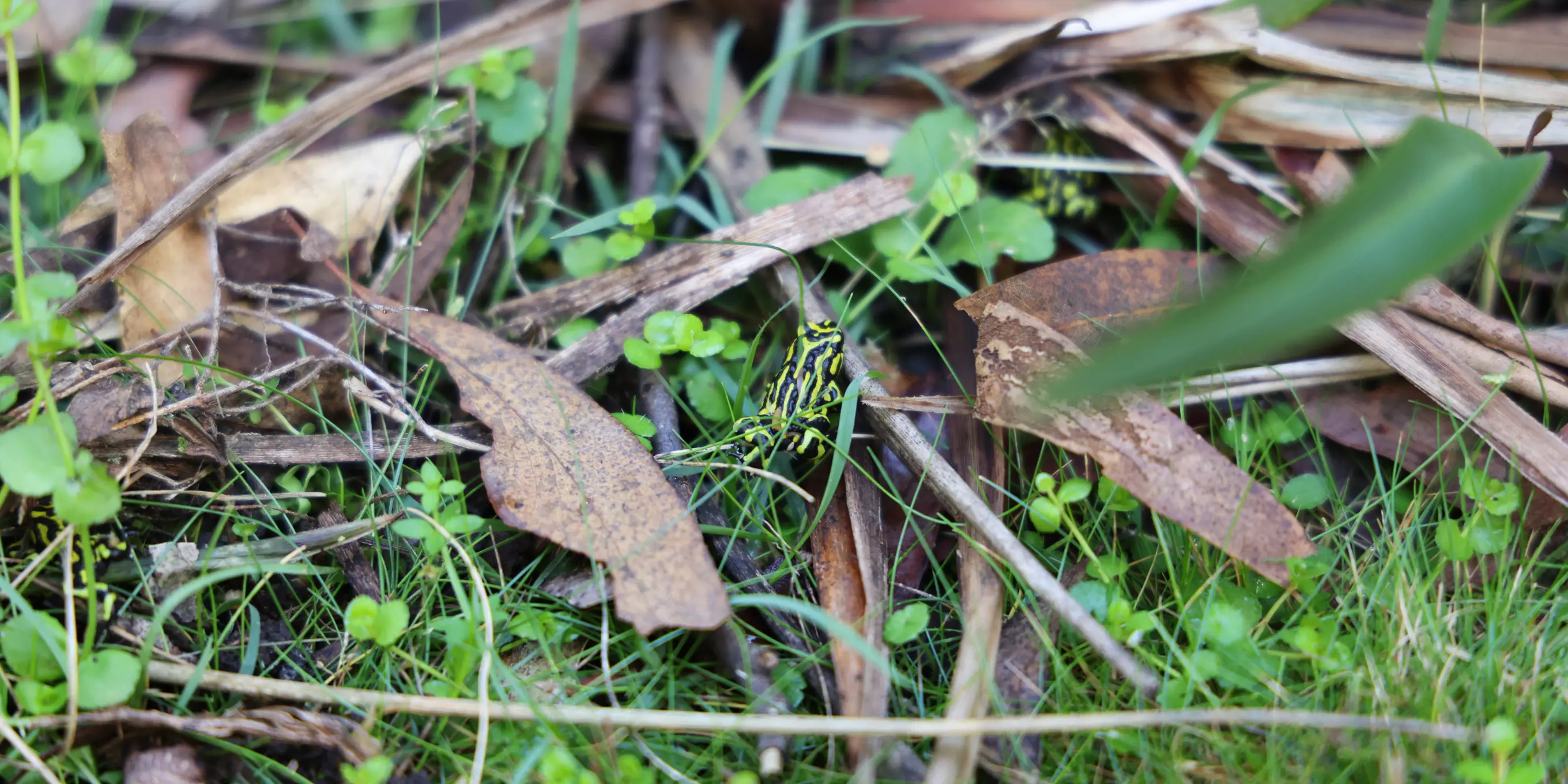
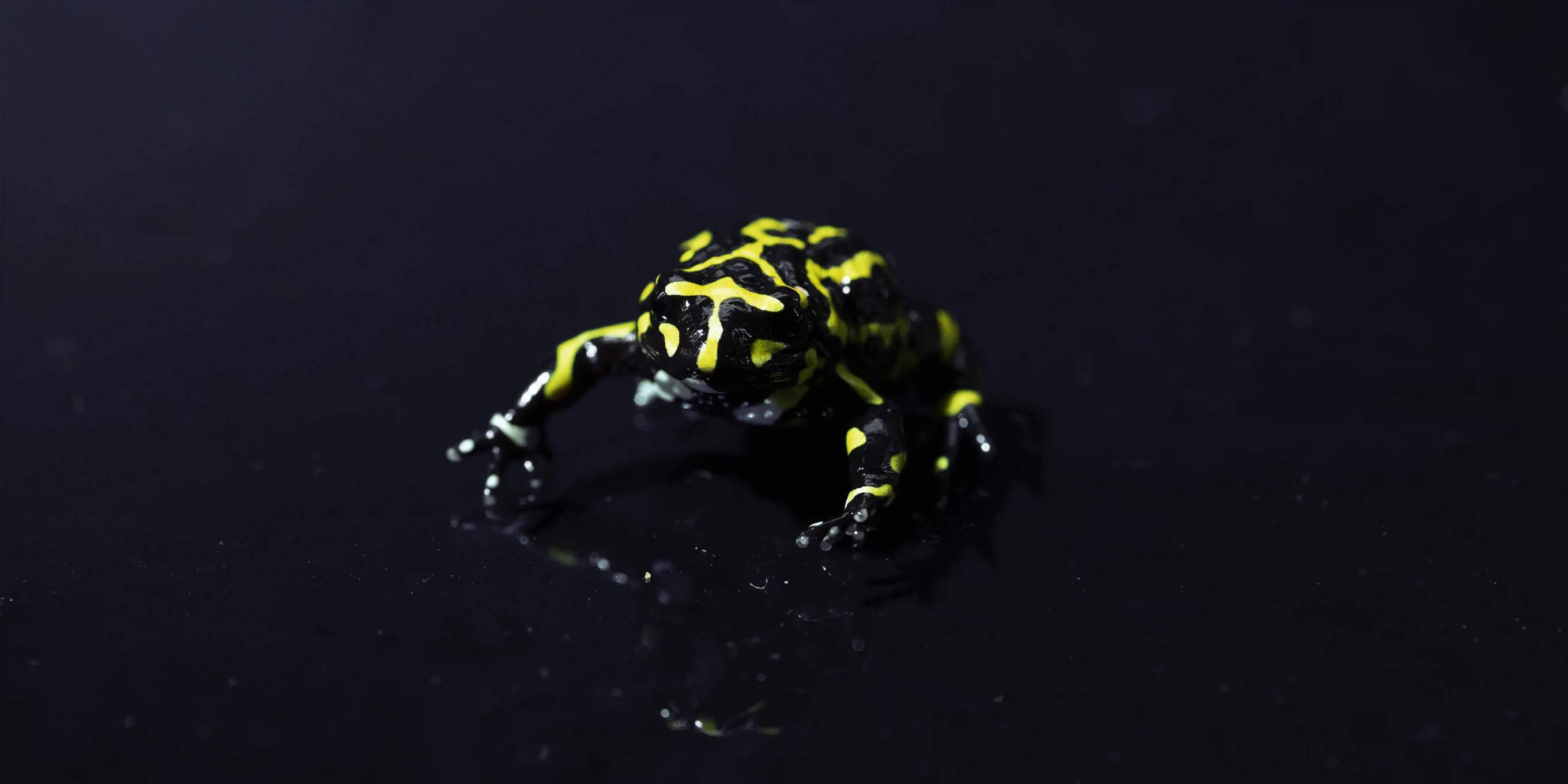
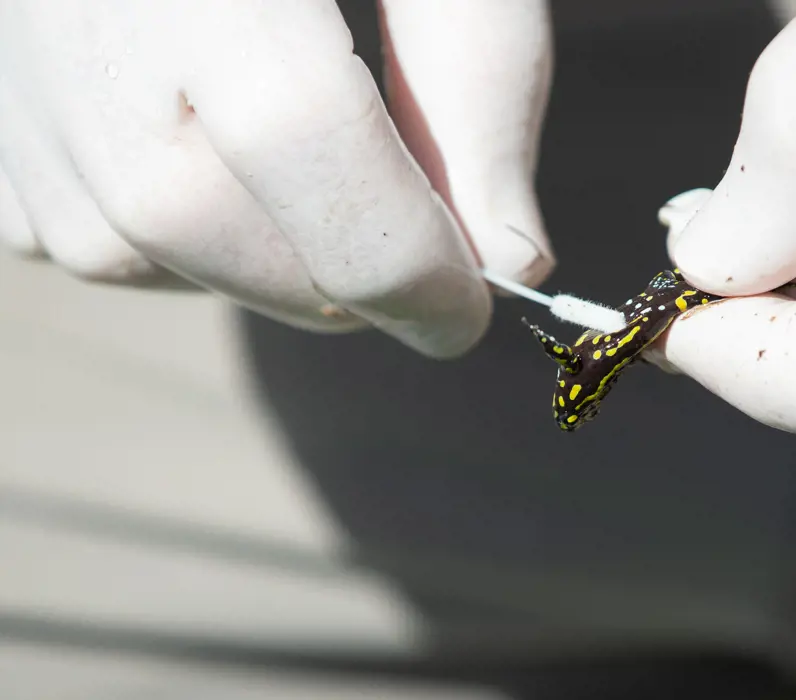
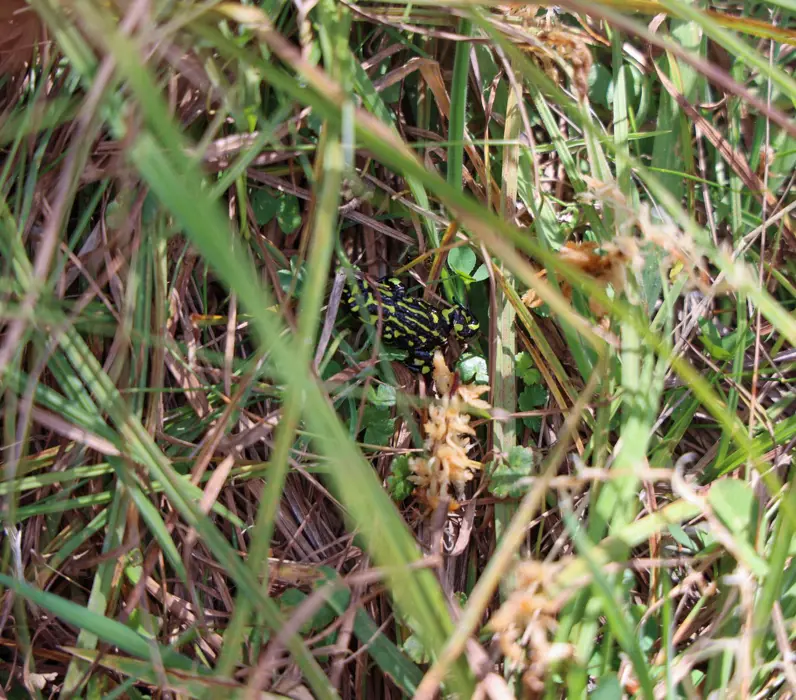
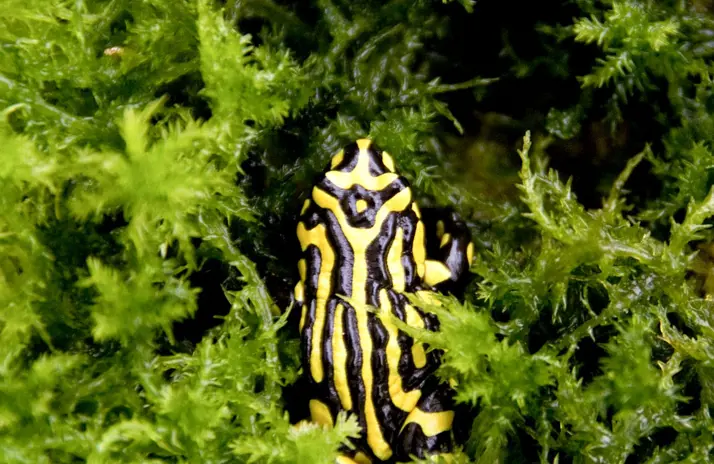
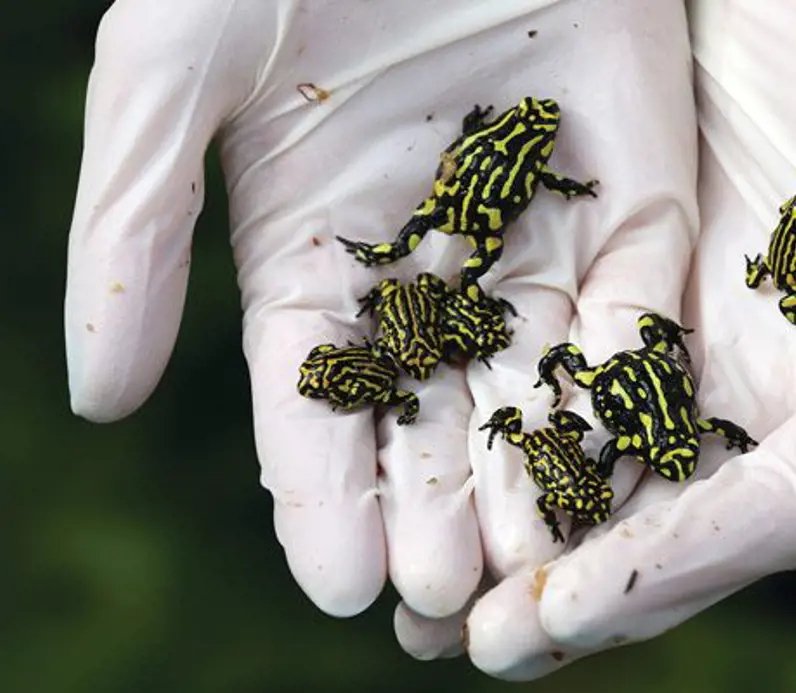
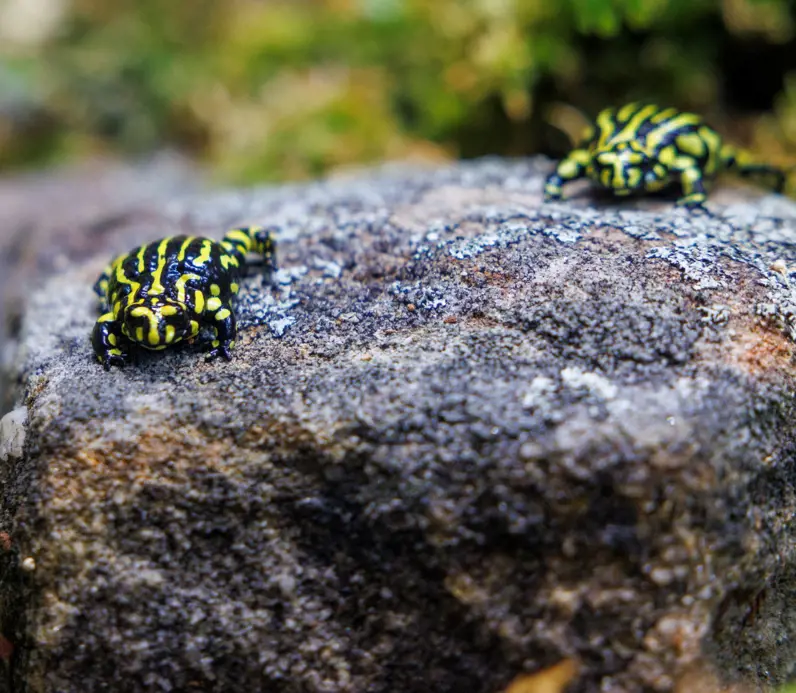
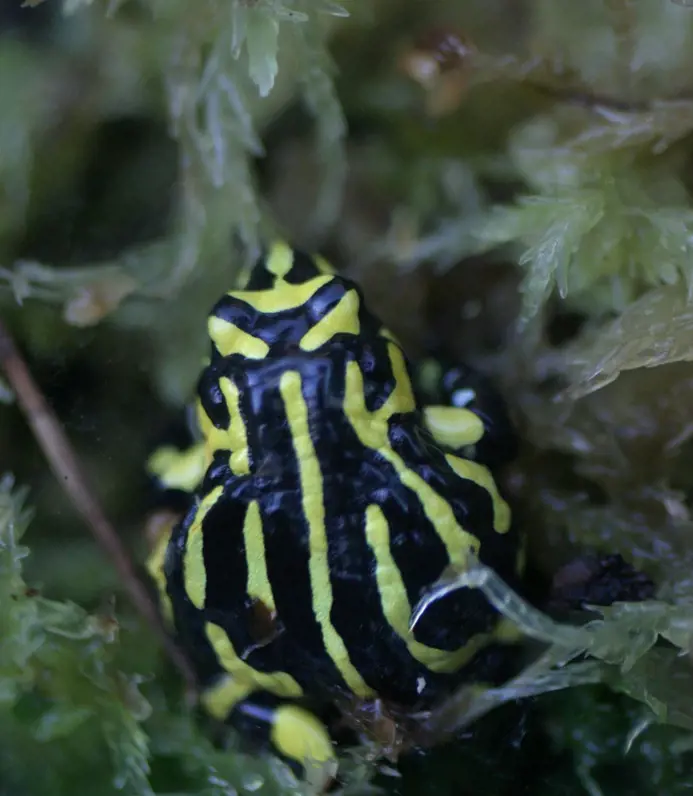
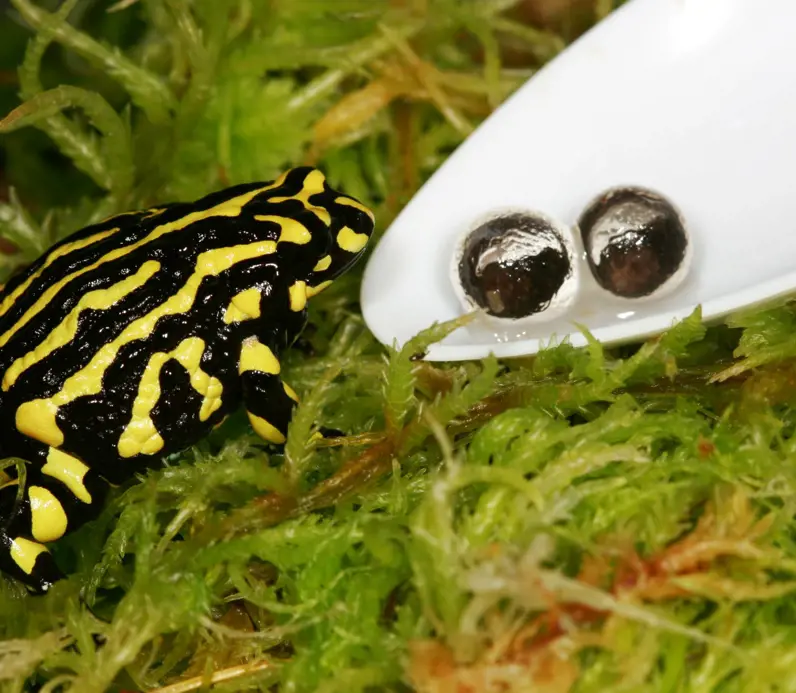
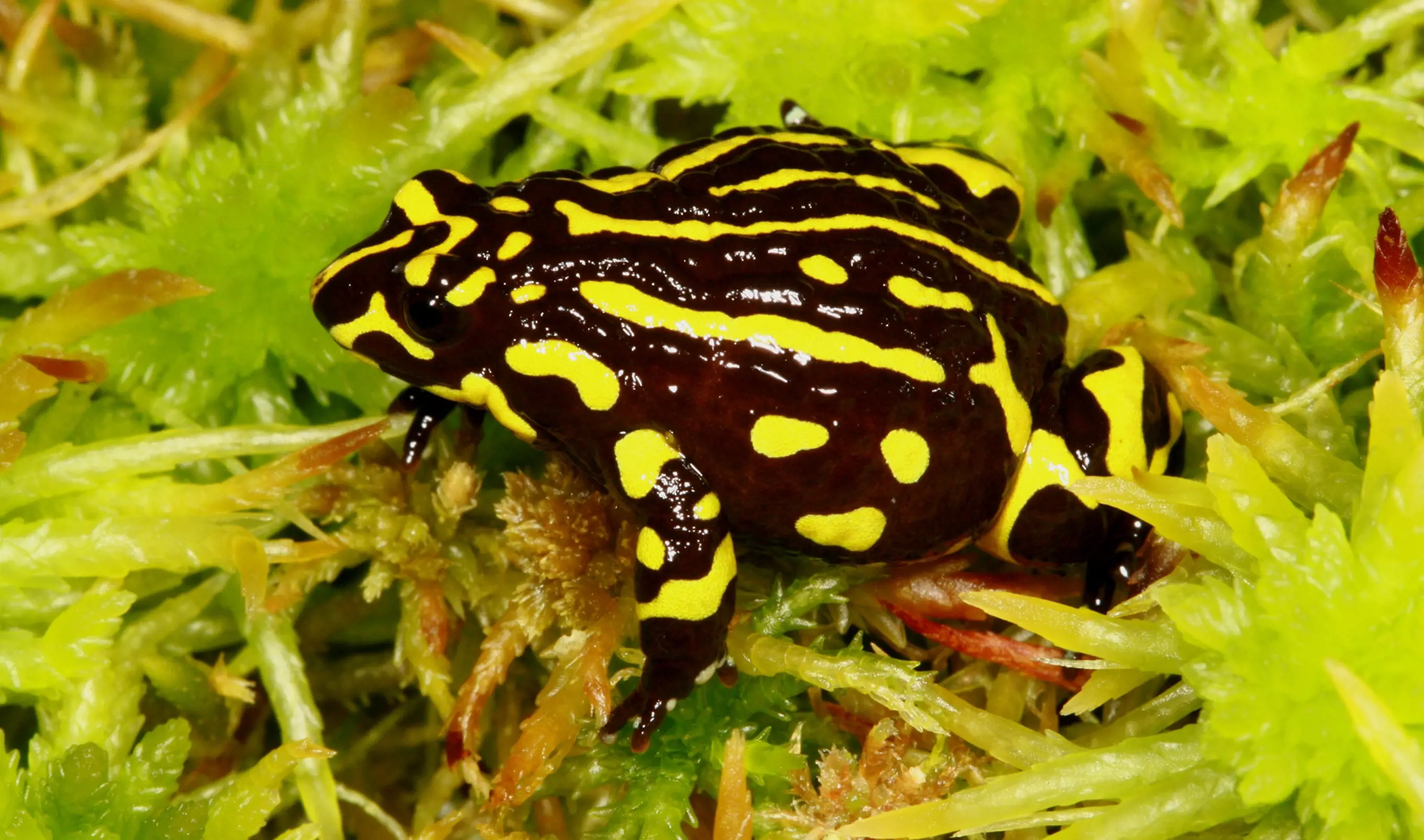
Corroboree Frogs are Australia’s most iconic amphibian species and amongst the most visually spectacular frogs in the world. They can be readily distinguished by the bold yellow and black longitudinal stripes on its top, sides and legs.
Taronga has both Southern and Northern Corroboree Frogs.
You can see Corroboree Frogs in ARC, and in our Corroboree Frog Conservation Centre.
Hot tip: if you can't see the Corroborree Frogs in their tanks or exhibit, look closely between or underneath the moss where they like to hide.



We bet you didn't know these facts about Australia's most iconic amphibians.

Scroll across to reveal Corroboree Frog facts.
Conservation status (IUCN)
Critically Endangered
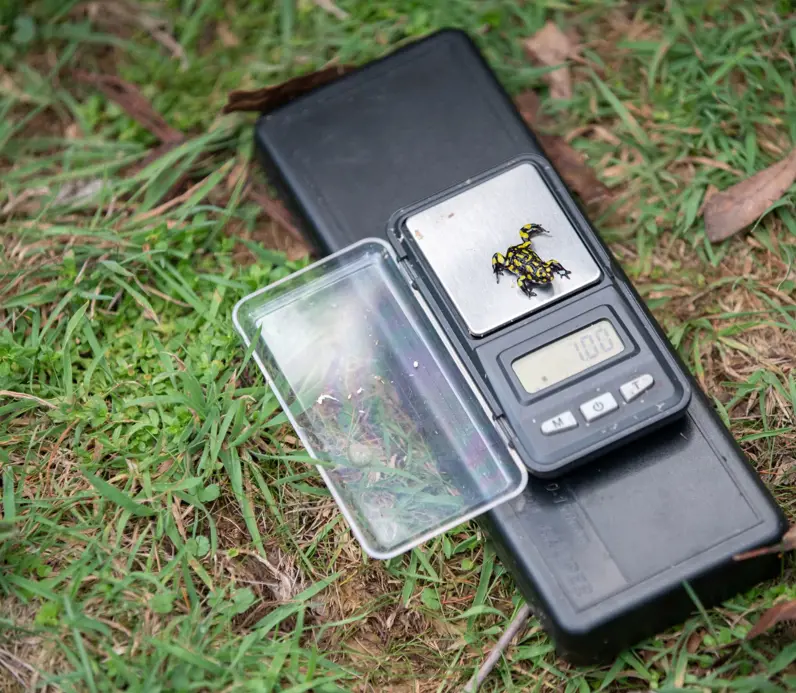
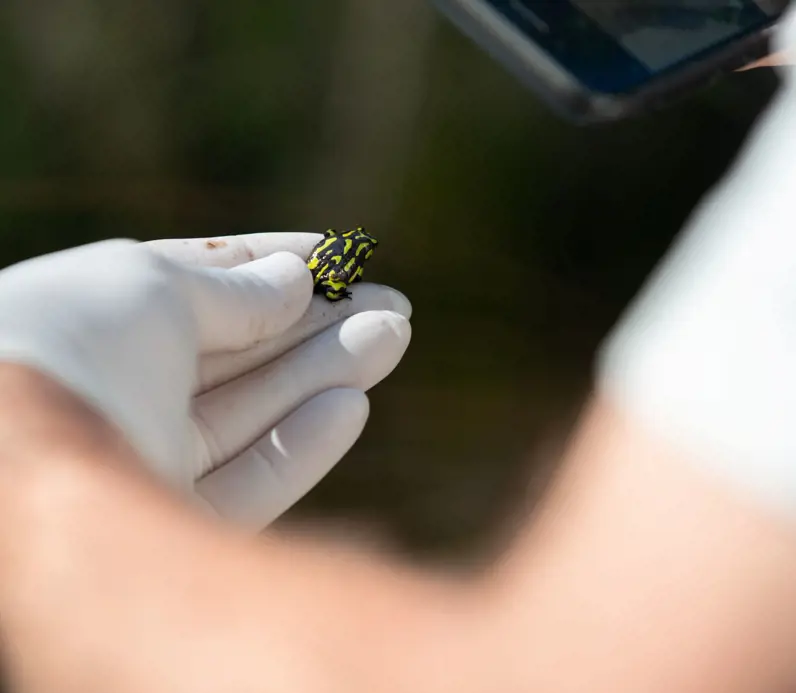
Taronga's Corroboree Frog conservation stats - and counting.


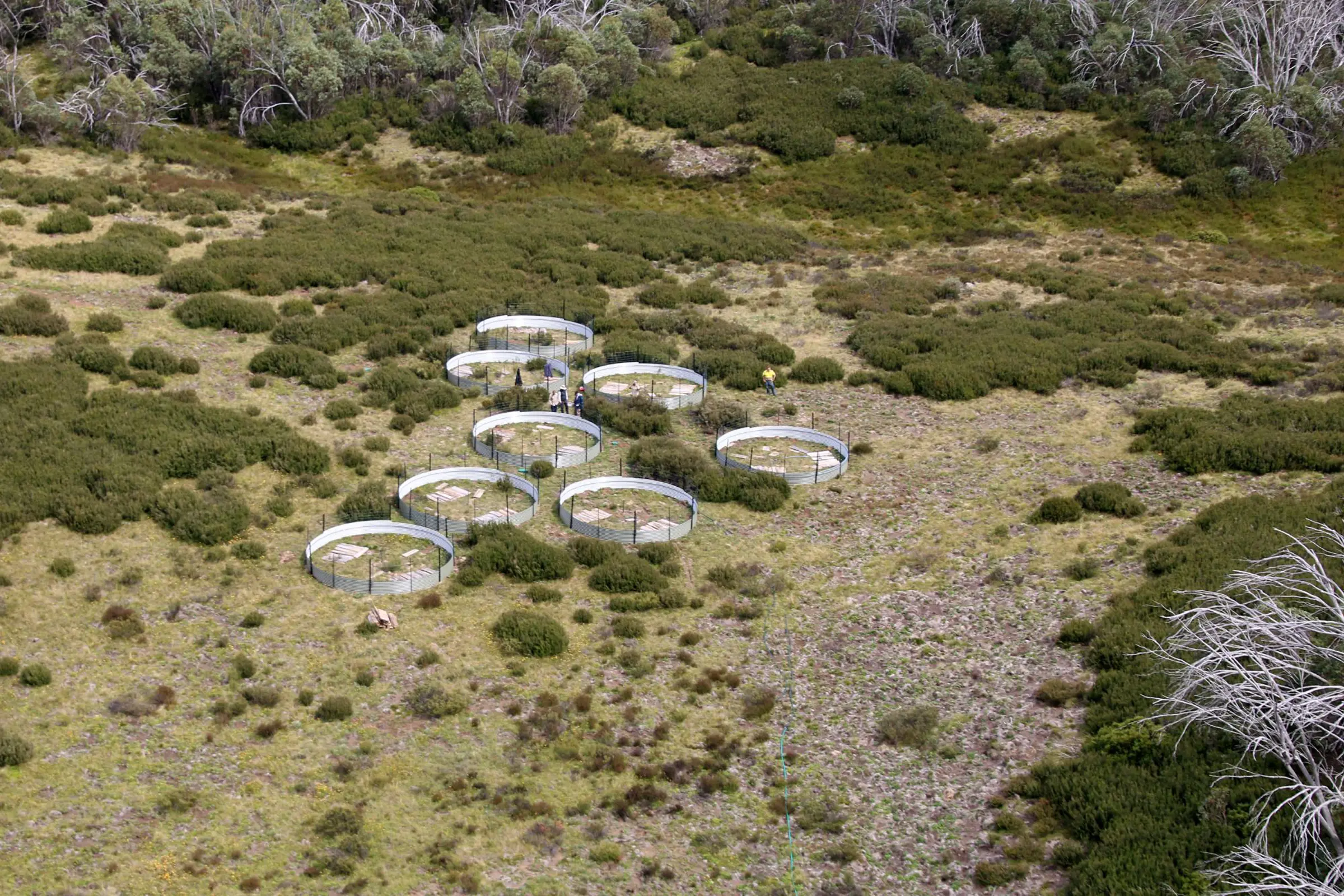
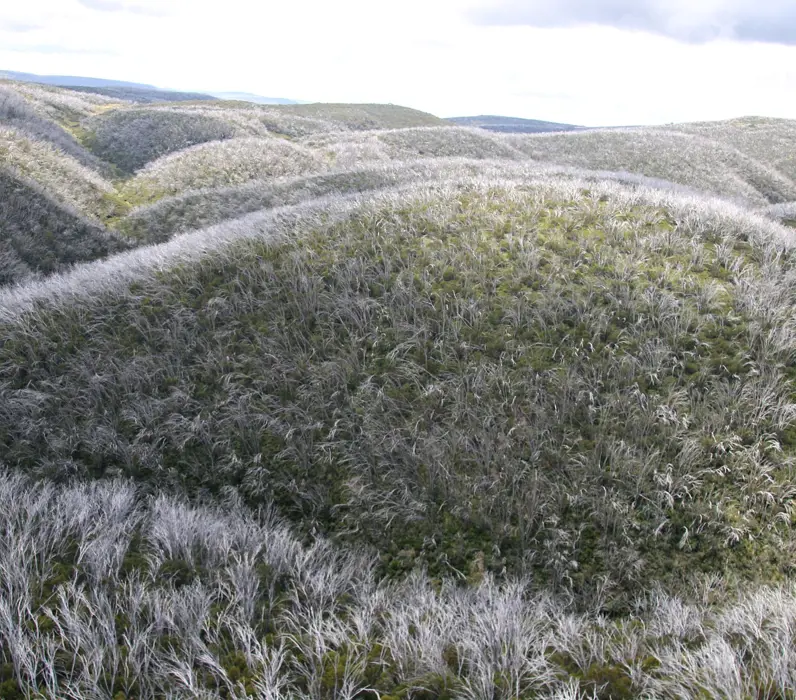
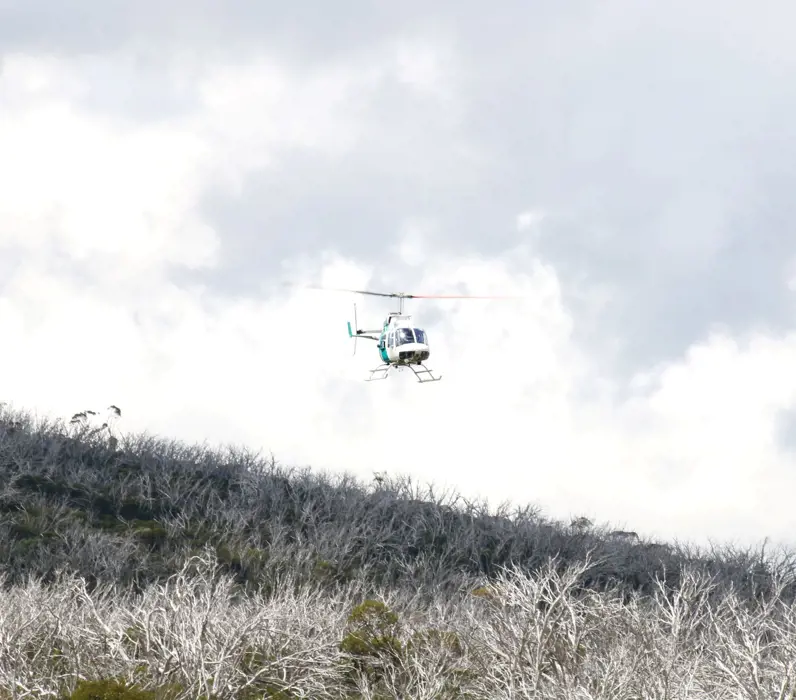
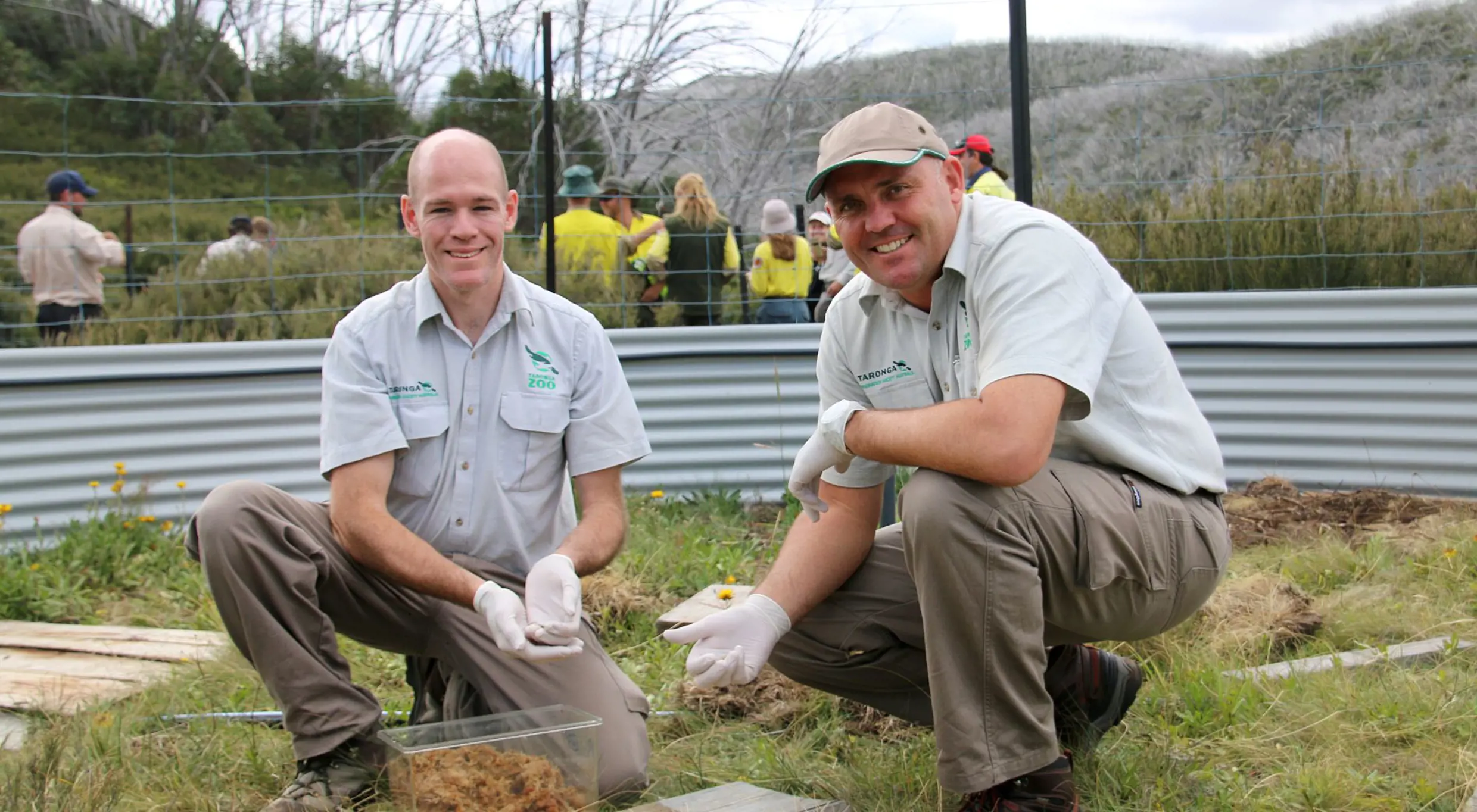
When a small group of biologists, including Taronga's very own Michael McFadden, formed an emergency team to fly into Kosciuszko National Park to assess the damage bushfires had caused to custom-built enclosures and release sites, they expected the worst.
But while three out of four disease-free release sites in Kosciuszko were found to have been burned - a significant set-back for the breeding program - remarkably, around one-third of the vital population were found to have survived.
Corroboree Frogs are Australia’s most iconic amphibian species and amongst the most visually spectacular frogs in the world. They can be readily distinguished by the bold yellow and black longitudinal stripes on its top, sides and legs. Its belly is marbled black, white and yellow. Both the males and females have the same colouration but females are slightly larger than males.
From high altitude bogs and swamps, the male Corroboree will call to the female during mating season (January – February). This song that is more like a ‘squelch’ begins the life-cycle of these tiny amphibians.
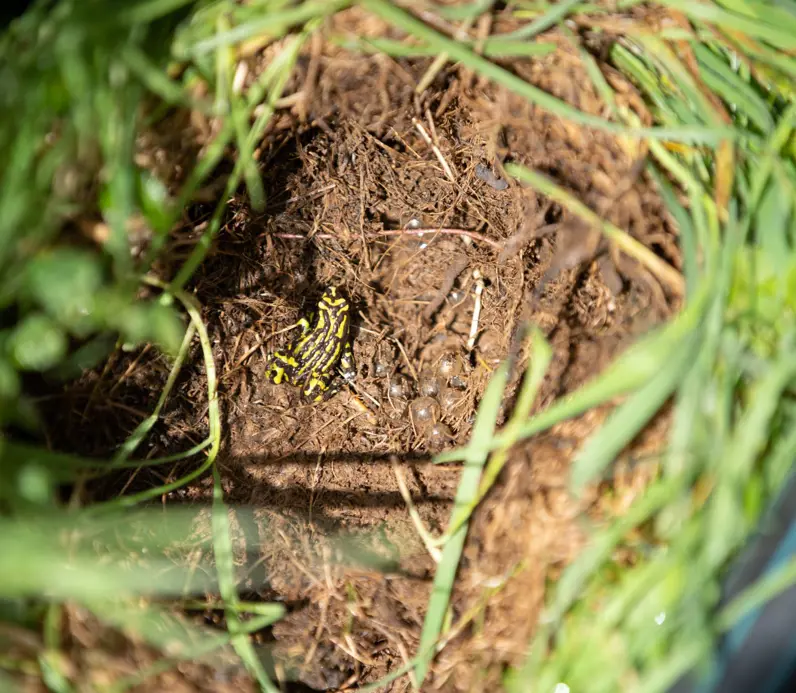
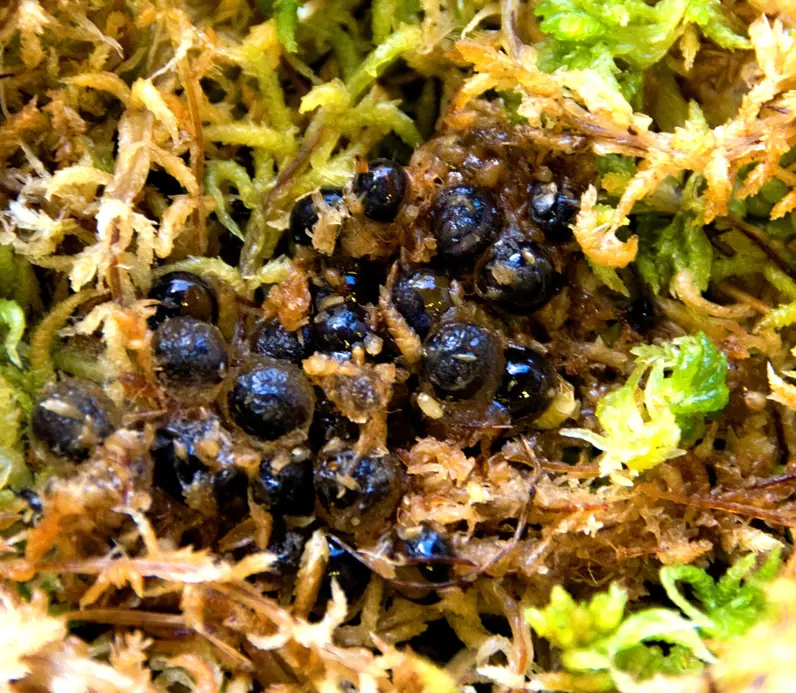
Corroboree Frogs have a typical amphibian life-cycle with an aquatic tadpole stage and terrestrial frog stage. The eggs develop to an advanced stage, before development stops and they enter ‘diapause’, where the embryos remain without developing further, until flooding of the nest following autumn or winter rains stimulates them to hatch. After hatching, the tadpoles move out of the nest site and into the adjacent pool where they live for the remainder of the larval period as a free swimming and feeding tadpole.
Corroboree Frog tadpoles are dark in colour, have a relatively long paddle shaped tail, and grow to 30 mm in total length. The tadpoles continue growing slowly, particularly over winter when the pool may be covered with snow and ice, until metamorphosis in early summer.
Chytrid fungus is a disease which has impacted on frog populations globally, and has been identified as the primary cause of decline in frogs worldwide. The fungus is spread through water or direct contact with other frogs. It attacks their skin and affects their heart. Chytrid fungus does not cause immediate death therefore can spread quickly among frog species and bodies of water.
Other threats to the Corroboree Frog include climate change, with the resulting impacts of droughts, flooding and bushfires. The impact of exotic plants include smothering breeding grounds and shading ponds rendering these spaces unsuitable for frogs. Feral animals like pigs and horses can also create havoc to frog habitats and breeding sites. There is also a possibility of these animals carrying and spreading the chytrid fungus between breeding grounds.
As well as being iconic Australian species, Corroboree Frogs are important components of our natural heritage. They contribute to the richness of the alpine ecosystem in which they're found, even as tiny tadpoles, removing the algae from the beautiful alpine ponds, keeping the water crystal clear, which benefits other aquatic plants and animals.
Taronga is committed to amphibian conservation and we are confident that through dedication and collaboration native frog species will continue to play an important role in Australia’s ecosystems for generations to come.
Discover educational resources from Kindergarten to year 6.
To help us shape a future for wildlife and people, we’ve created the Taronga Institute of Science and Learning, a world-class facility right here at Taronga Zoo Sydney.
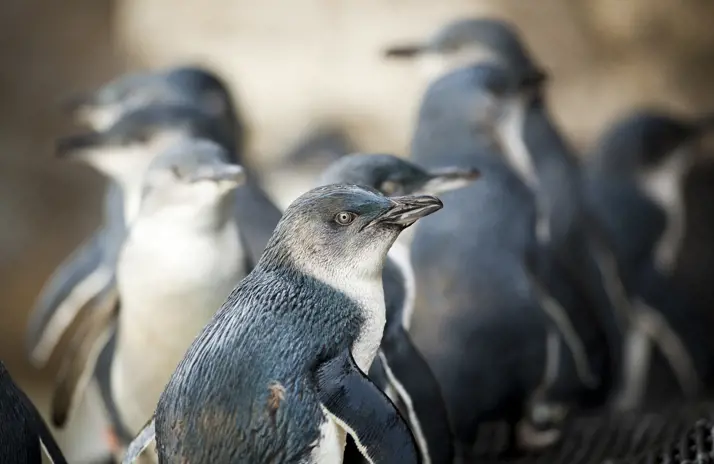
Explore Taronga’s biodiversity conservation work, including research, habitat projects and programs that support resilient ecosystems and native species.
Learn about Taronga’s threatened species recovery programs, supporting breeding, research and habitat initiatives that help at-risk native wildlife.