Animal Encounters
Get up close with your favourite Zoo residents in Sydney and Dubbo.
Discover Dubbo
Discover Sydney
Scientific nameDromaius novaehollandiae
Conservation status (IUCN)
Least Concern
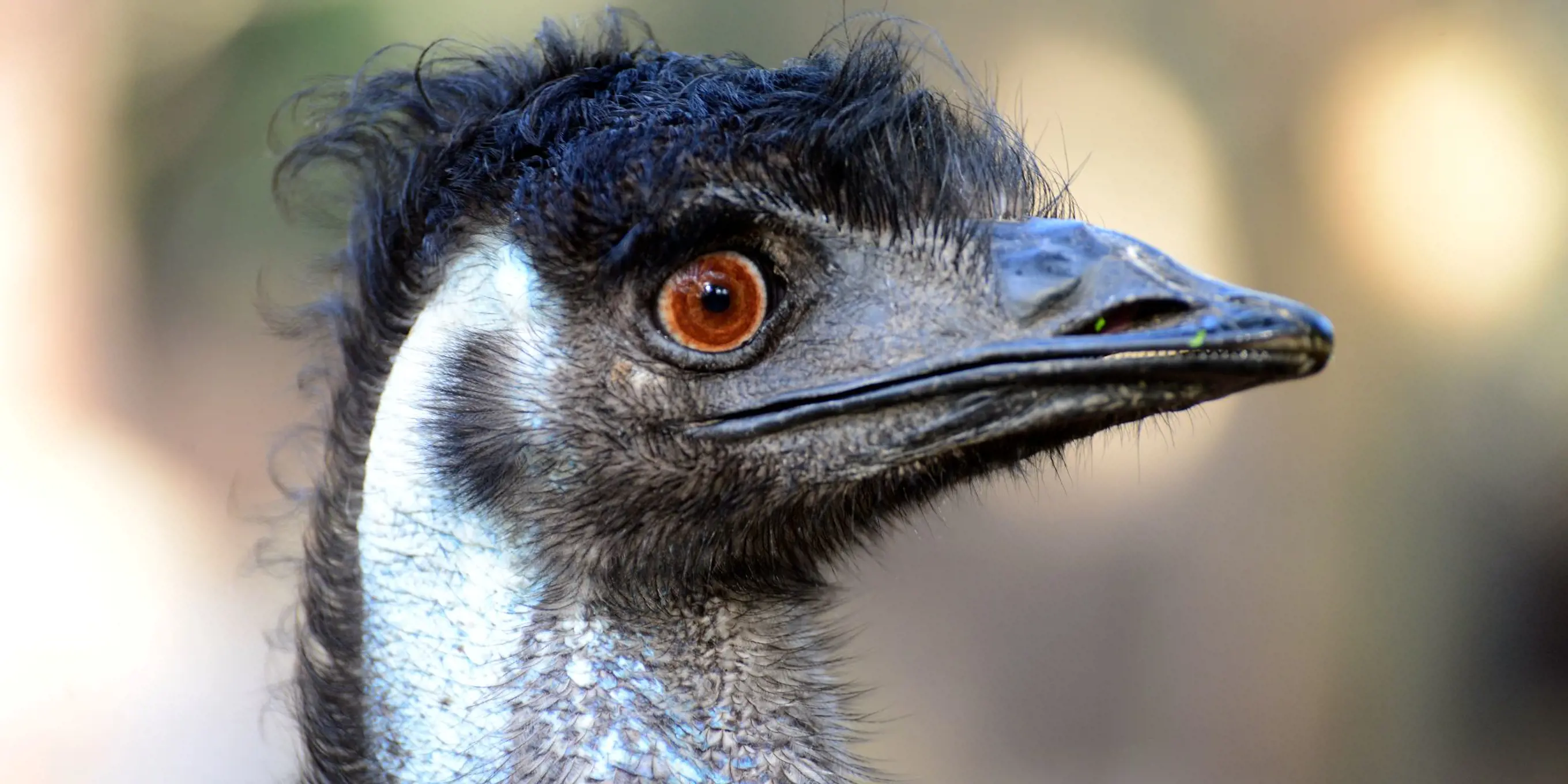
The Emu (mariyang means Emu in Sydney First Language) is Australia’s largest bird – but it can’t actually fly.
You can see an Emu in nura diya, or at Backyard to Bush.
2pm

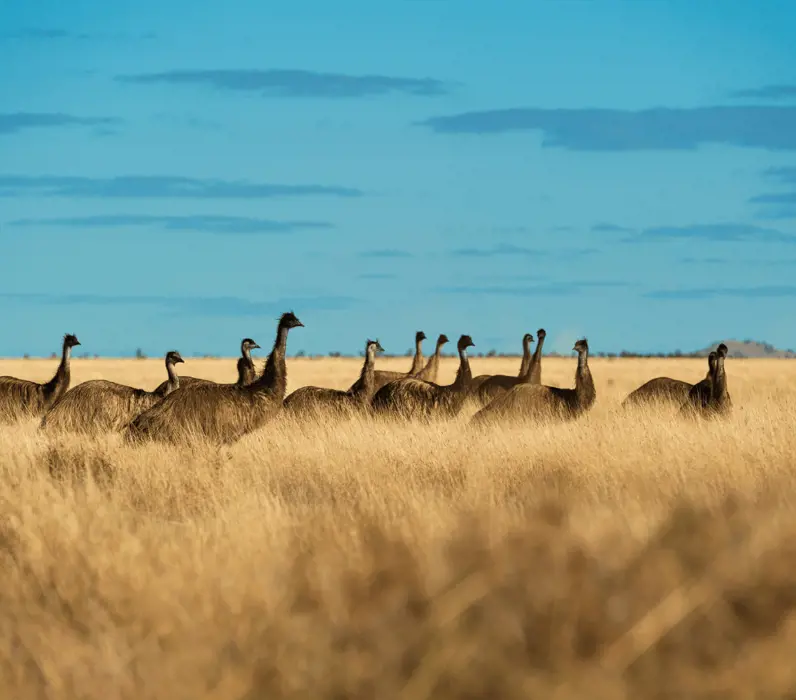



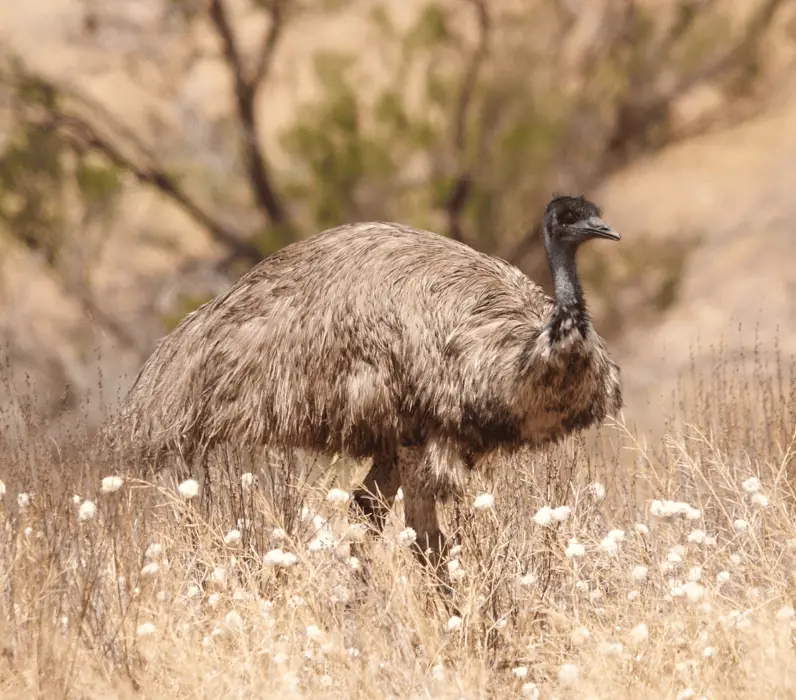


Scroll across to reveal info on Emus.
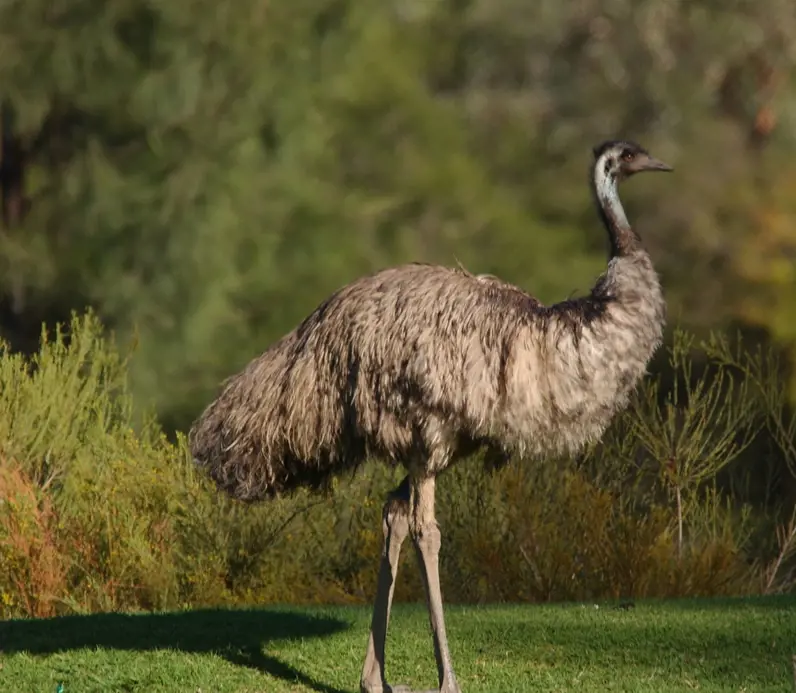
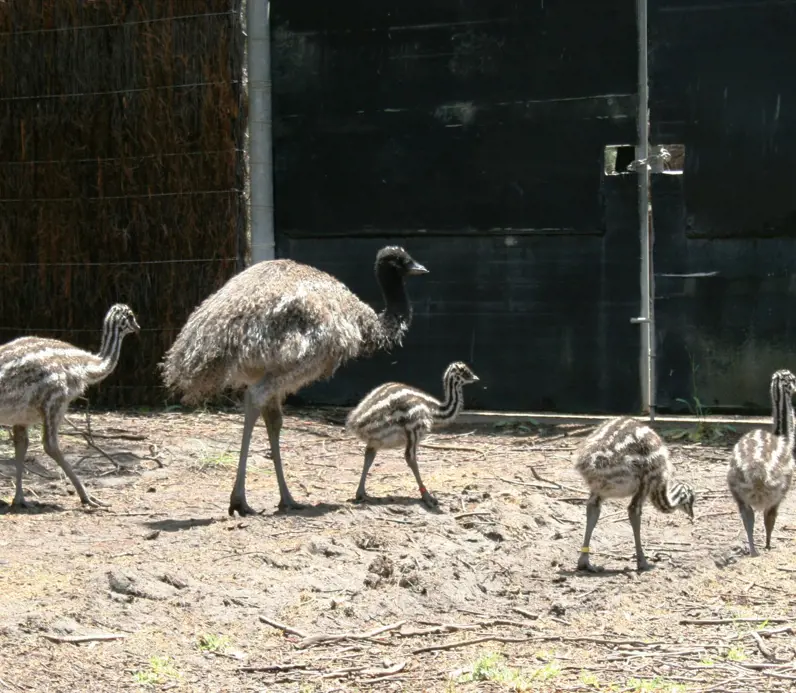
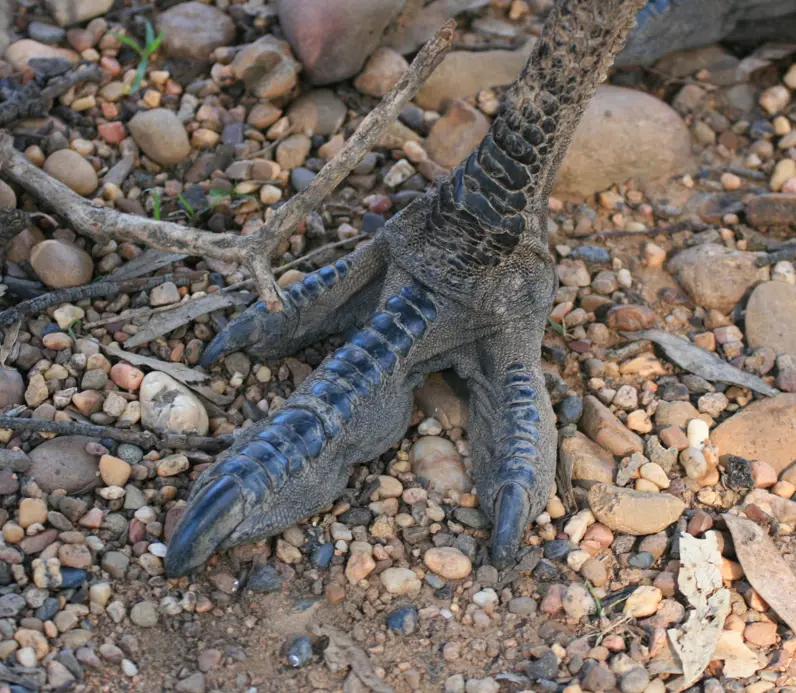
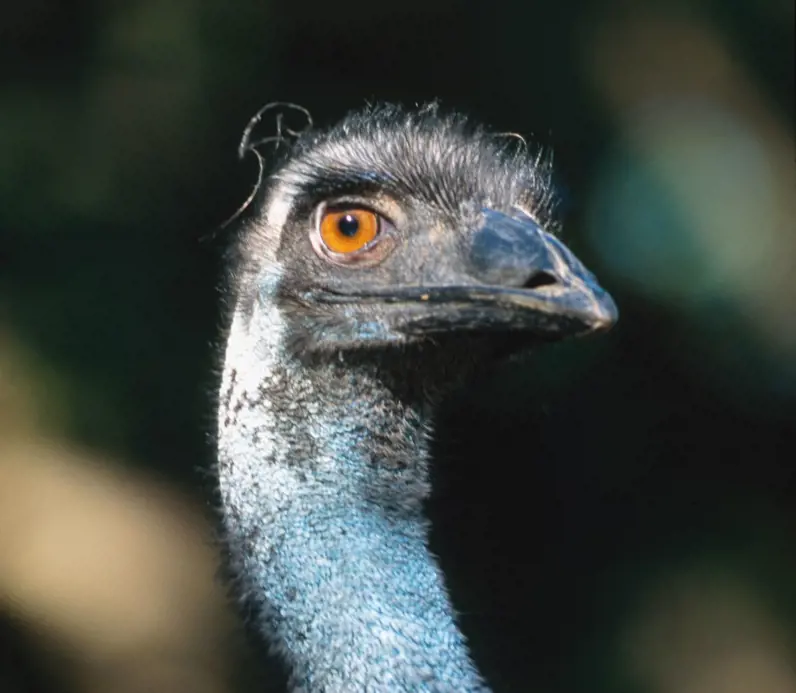
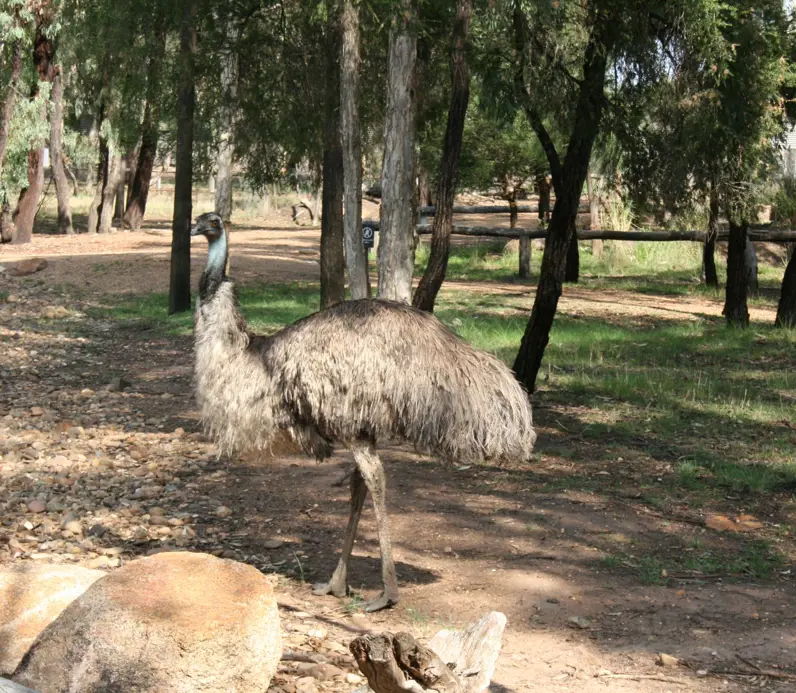
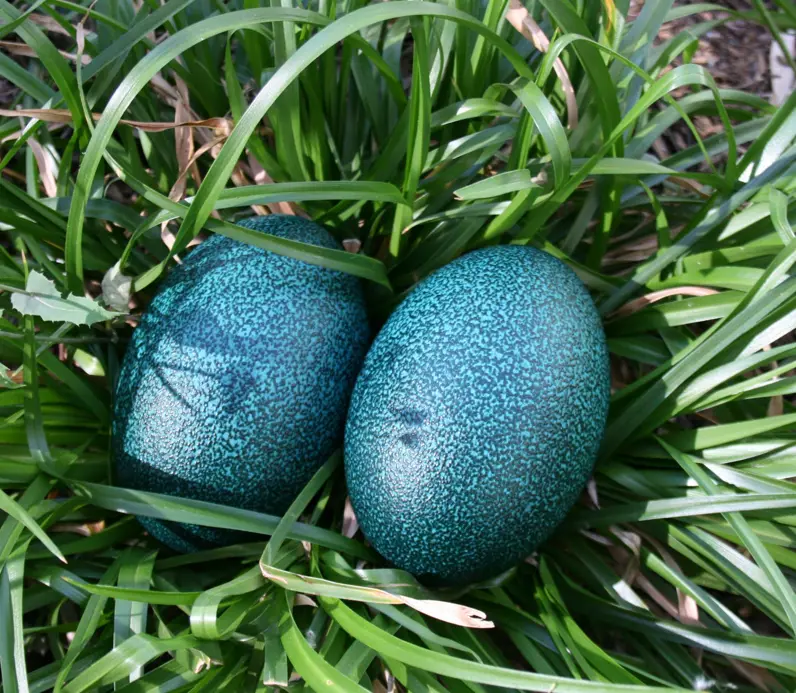
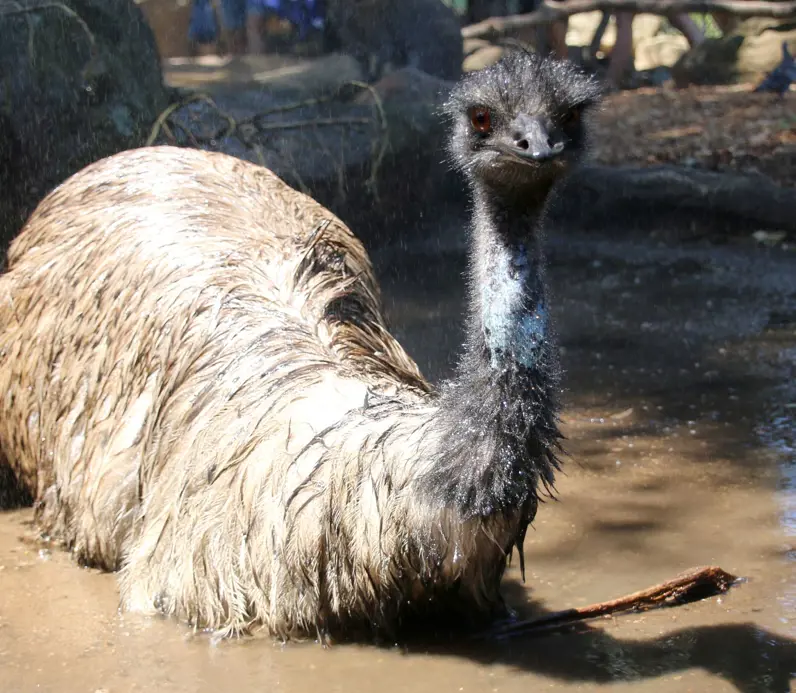
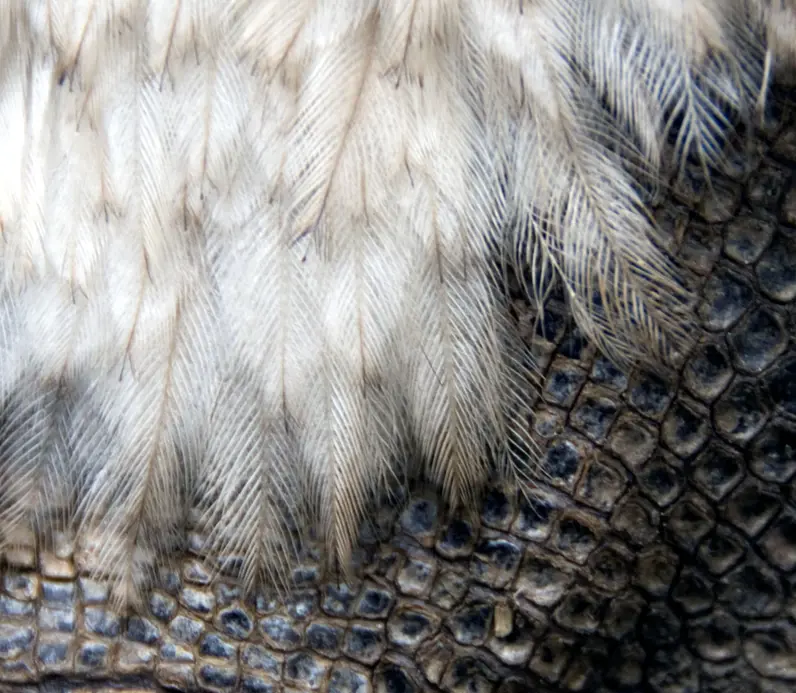
The emu is Australia’s tallest bird, and the third tallest bird species globally after the Common and Somali Ostriches. It is a species of Ratite, related to Ostriches, Cassowaries, Rheas, and Kiwis. Emus are flightless with small, vestigial wings and double plumed feathers. They are an iconic part of the Australian landscape and have been featured on the coat of arms and various coins.
Newly hatched chicks are cream-coloured with dark brown and yellow stripes along the length of their body, which camouflage them well amongst the grasses and shrubs of their habitat. As they grow the stripes fade and the downy plumage is replaced by dull brown feathers. This greyish-brown colouring acts like sunscreen to protect them from solar radiation.
The three long, forward facing toes with pointed talons allow the emu to travel at high speeds and provide a power backwards kick for protection. This three-toed foot structure goes back to theropod dinosaurs, the ancestors of modern birds.
Emus eat large pebbles called gastroliths to help their muscular gizzard break and grind up food. The stomach muscles in the gizzard grind the rocks against the food to break it down as birds swallow their food whole. Gastroliths are used by many ground-dwelling birds, as well as seals, penguins, and crocodiles. Fossil evidence of gastroliths has been found in prehistoric plant-eaters like sauropods and theropods.
Emus act as a long-distance spreader of seeds for a variety of plant species, a process called zoochory. Some plant species with large seeds rely on emus for distribution, whilst others use emus as a secondary method. Seeds can remain inside the emu for a long time as they travel in search of food and water. The loss of emus to an area can lead to a loss of the specialist plant species that rely on emus for dispersal. Seed spreaders like emus will be even more important in the future as plant species will need to migrate across fragmented landscapes in response to climate change.
Get up close with your favourite Zoo residents in Sydney and Dubbo.
Discover Dubbo
Discover Sydney
Become a Zoo Parent and make your contribution to precious wildlife.
Learn about Taronga's Conservation Programs.