Animal Encounters
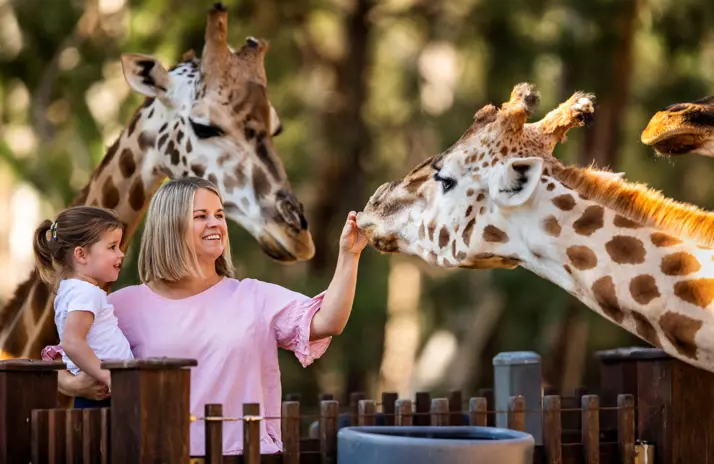
Get up close with your favourite Zoo residents in Sydney and Dubbo.
Discover Dubbo
Discover Sydney
Scientific nameCanis lupus dingo
Conservation status (IUCN)
Unlisted
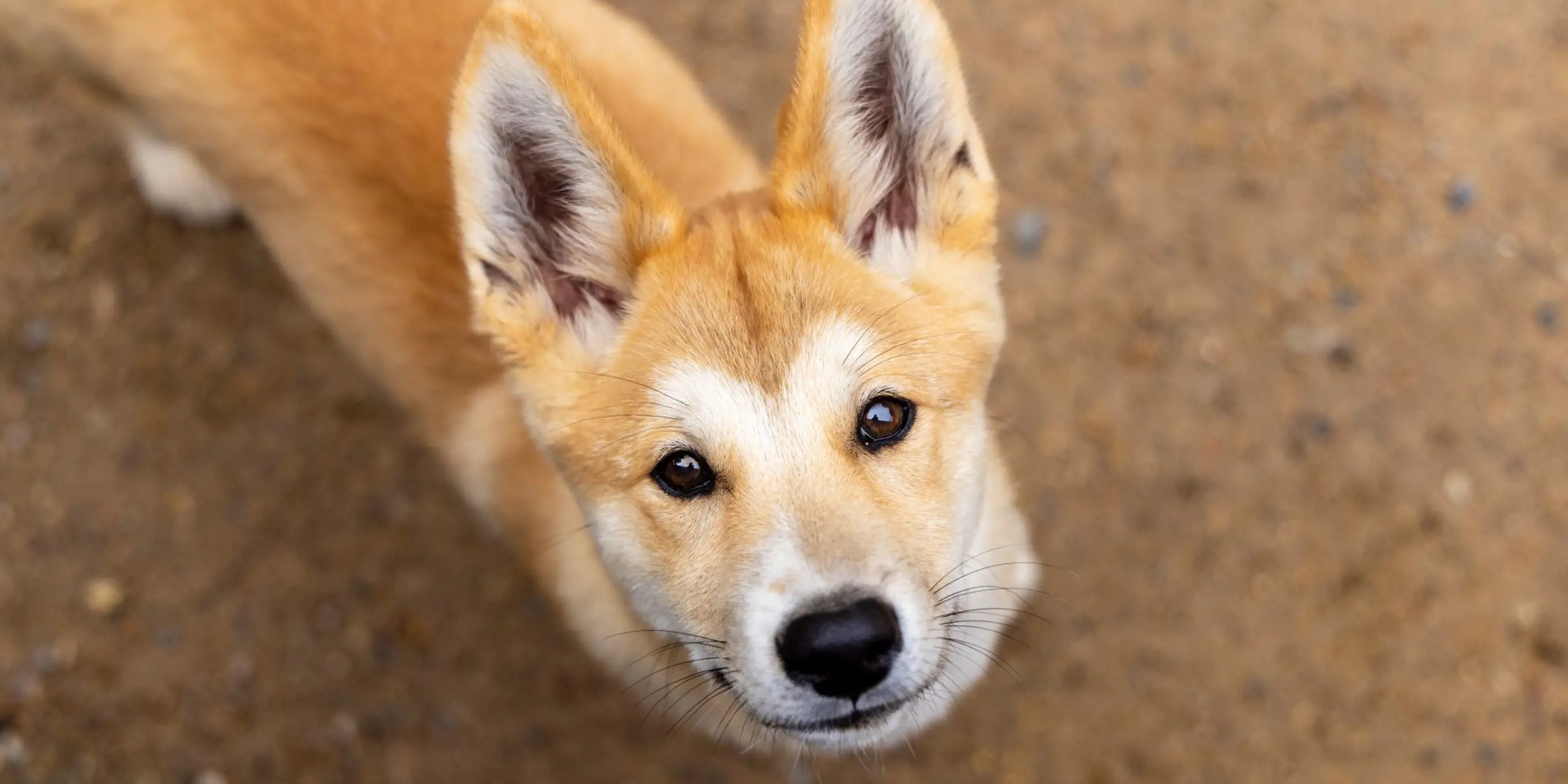
The Dingo (Wuragal in Sydney First Language) is a native canine that roams the mainland and keeps Australia’s ecosystems in balance but is under increasing threat from human impacts.
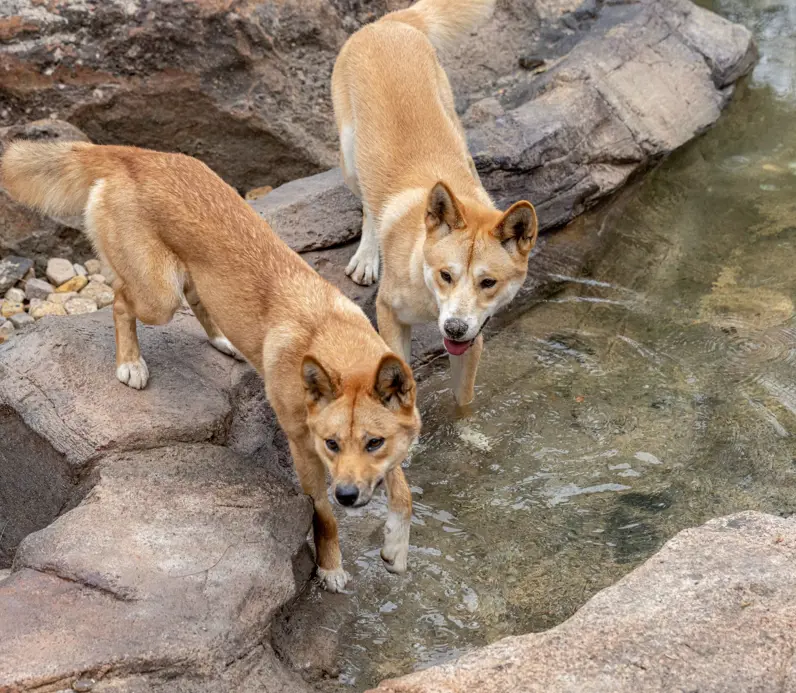
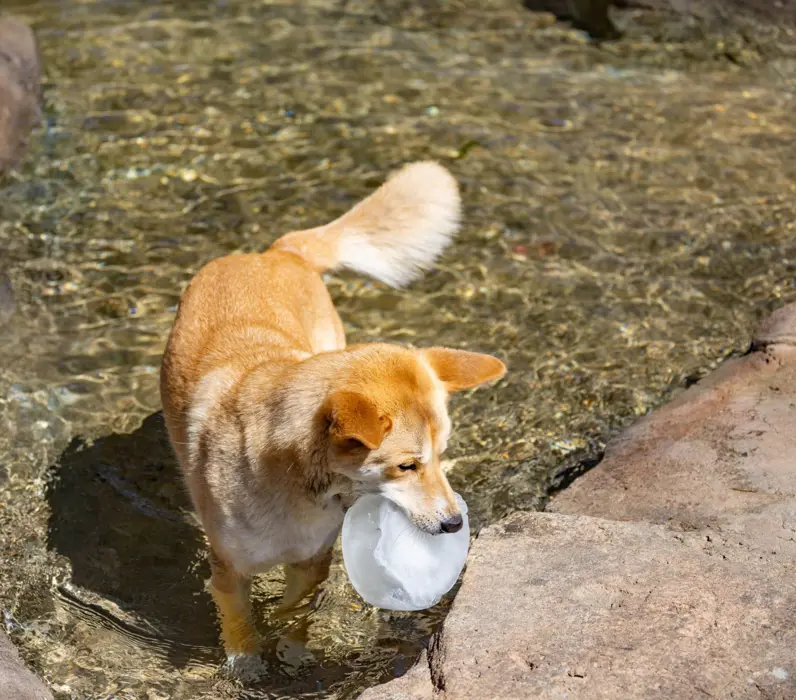
See our two Dingoes Warada and Kep Kep in Nura Diya.
1:00pm
1:30pm
9.30am



We bet you didn't know these facts about these curious canines.

Scroll across to reveal Dingo facts.
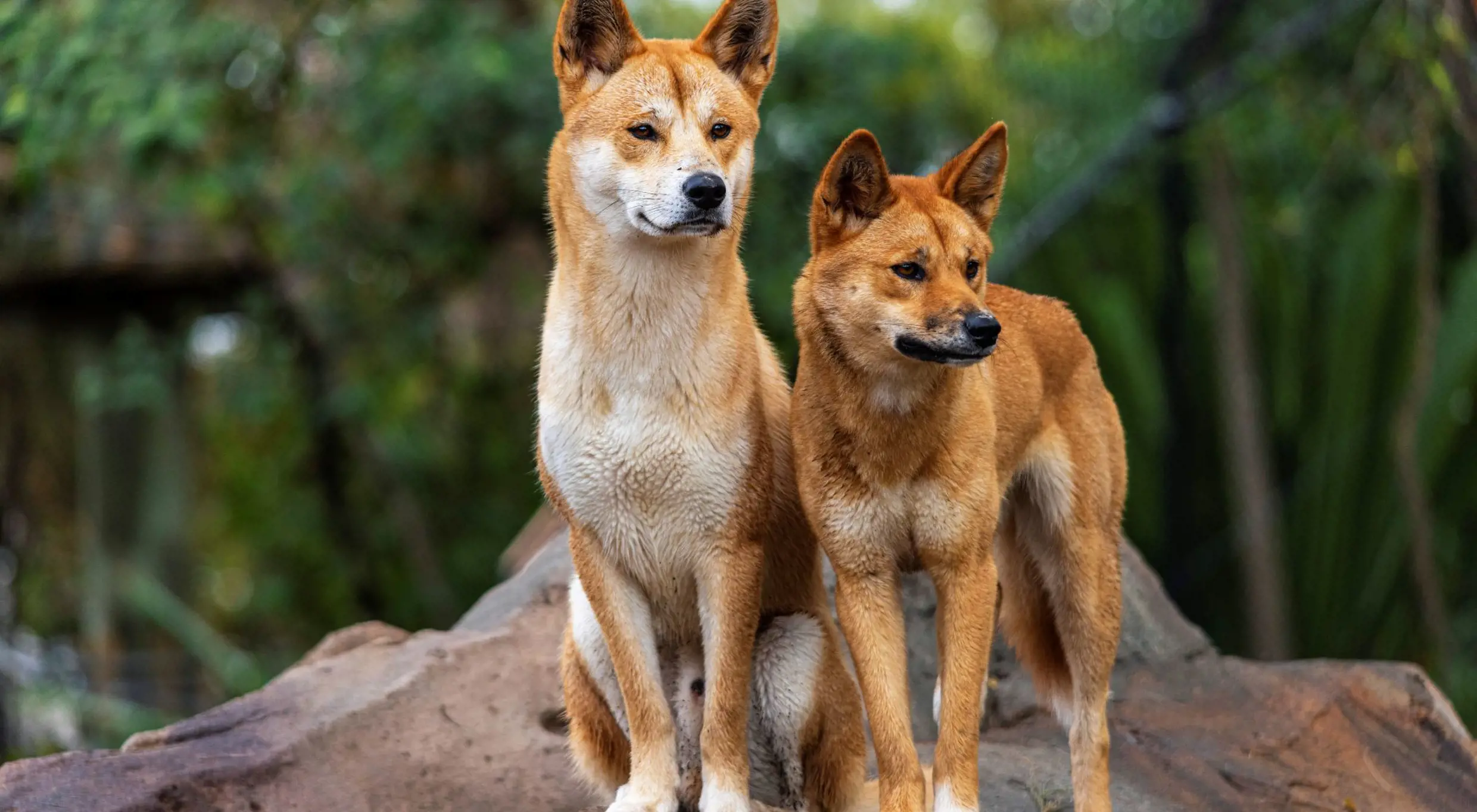
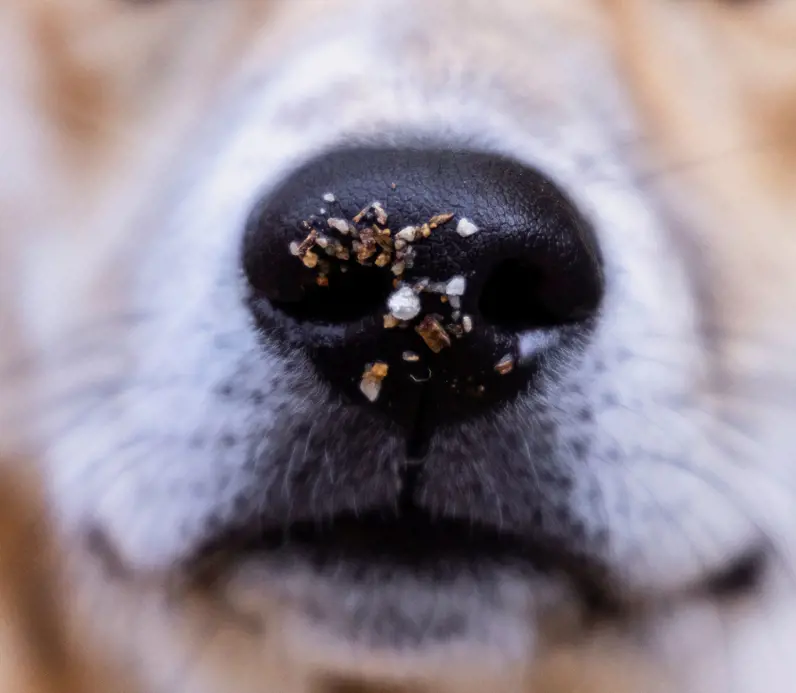
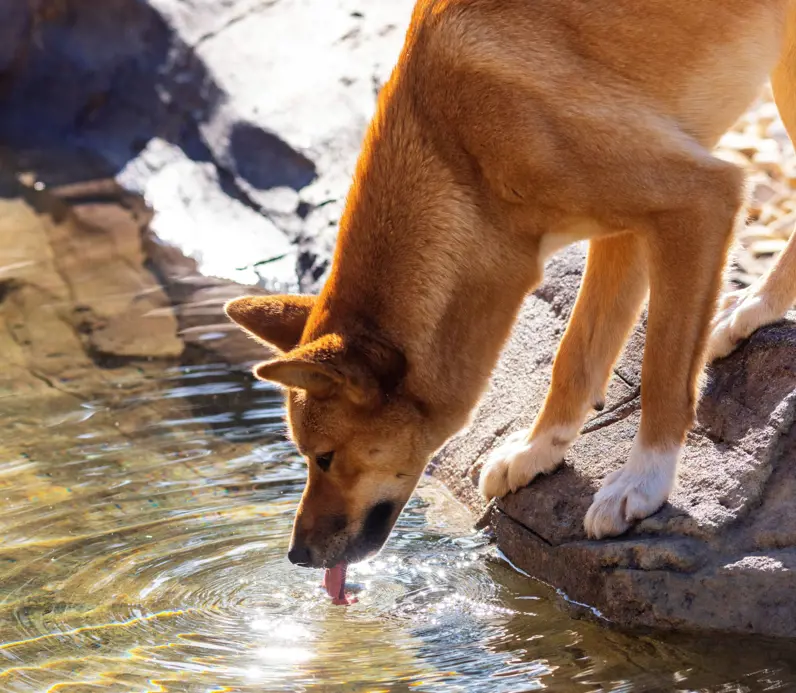
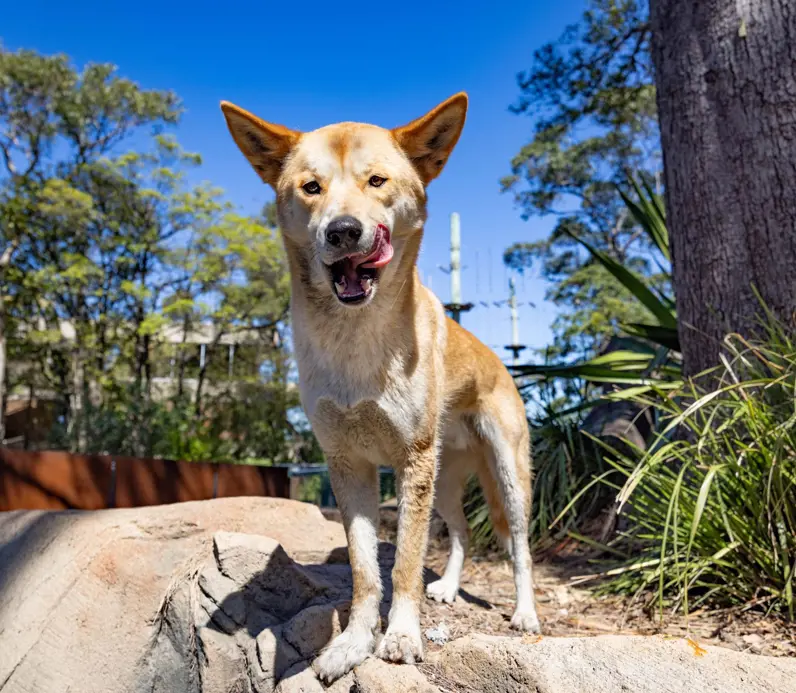
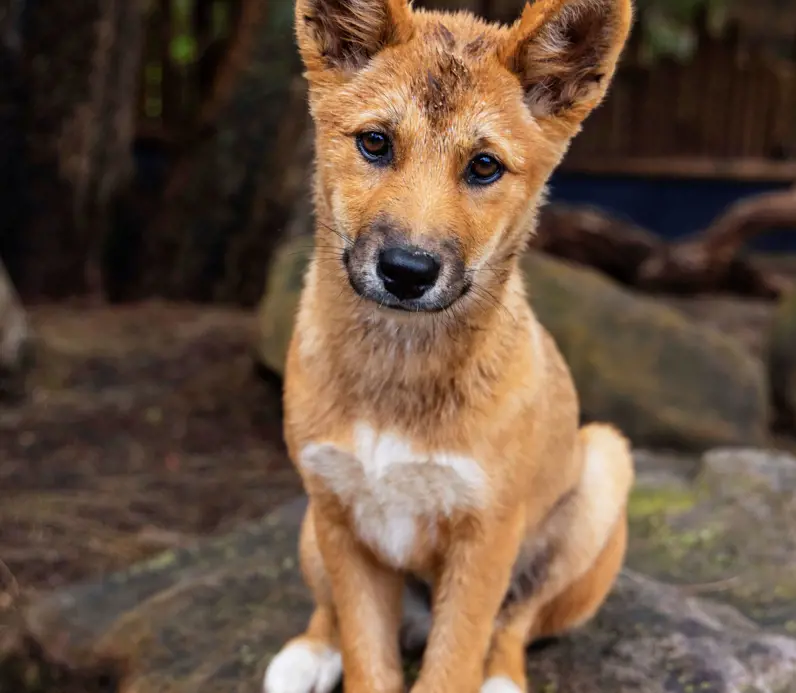
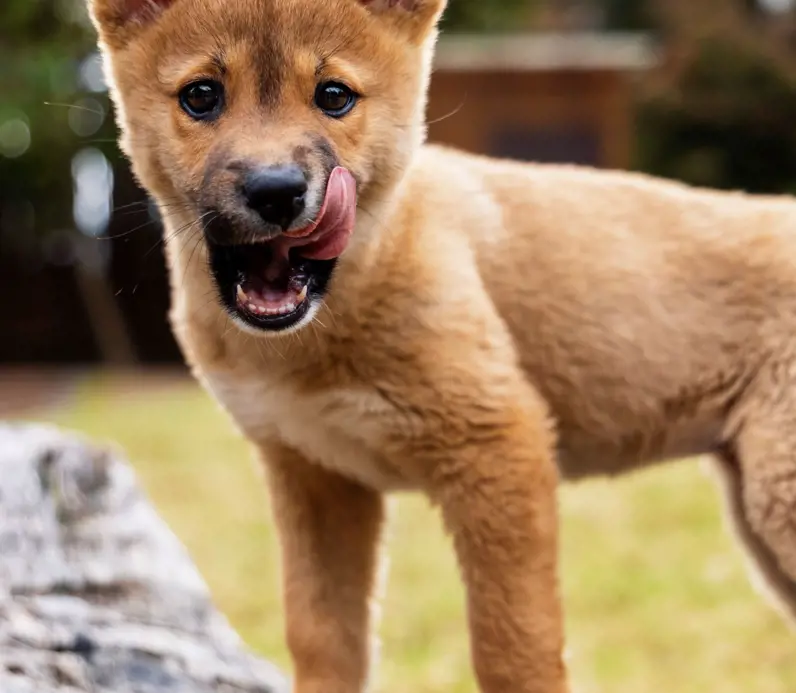
The dingo is Australia’s largest terrestrial carnivore, an apex predator keeping ecosystems in balance. Like lions to antelope or wolves to deer, the dingo plays an important role in managing the populations of large herbivores such as kangaroos and emus.
Without predation, these herbivores can become overabundant and overgraze vegetation which reduces food and shelter for smaller species. By preying on these large herbivores, the dingo can reduce this overgrazing which increases the number of smaller marsupials, biodiversity, agricultural productivity, and even carbon sequestration in an area.
Dingoes deter feral foxes and cats from their territory, and can predate on introduced species such as rabbits, rodents, deer, feral goats and pigs. The dingo plays a vital role in mainland Australia’s ecosystem.
Classifying the dingo has long been the subject of debate amongst biologists, with disagreement over whether it is unique from domestic dogs, and whether it should be considered native at all. Dingoes can reproduce with domestic dogs due to close genetic relation, yet exhibit many unique traits adapted to the Australian outback.
Dingoes were introduced to Australia between 3500 and 8000 years ago. This long period of time has allowed both dingoes and other Australian wildlife to co-evolve, meaning the dingo is now considered a native animal.
To some, dingoes are pests that prey on livestock and impact farmers. A 5400km fence runs through the outback to exclude dingoes from fertile farmland in Australia’s southeast. Some claim that many dingo populations have high genetic mixing with domestic dogs (called introgression), however genetic studies across the country have shown that this mixing is extremely rare and that almost all of Australia’s wild dogs are dingoes. When removed from an area, the dingo can no longer fulfill its role in herbivore management and keeping the ecosystem in balance.
There is a common misconception that all dingoes have golden-yellow or ginger coats with white socks and tail tips. Dingoes’ coats can come in a wide diversity of colourations, including black, white, tan, brindle, sable and patchy colourations, and can lack white tail tips and feet. Unfortunately, this misconception has seen dingo populations misclassified as wild dogs and allowed many thousands of dingoes to be killed.
Unlike domestic dogs, dingoes rarely bark. Instead, they often howl to communicate. The closest relative to the dingo is the New Guinea singing dog, also named for this shared talent.
Conservation status (IUCN)
Unlisted
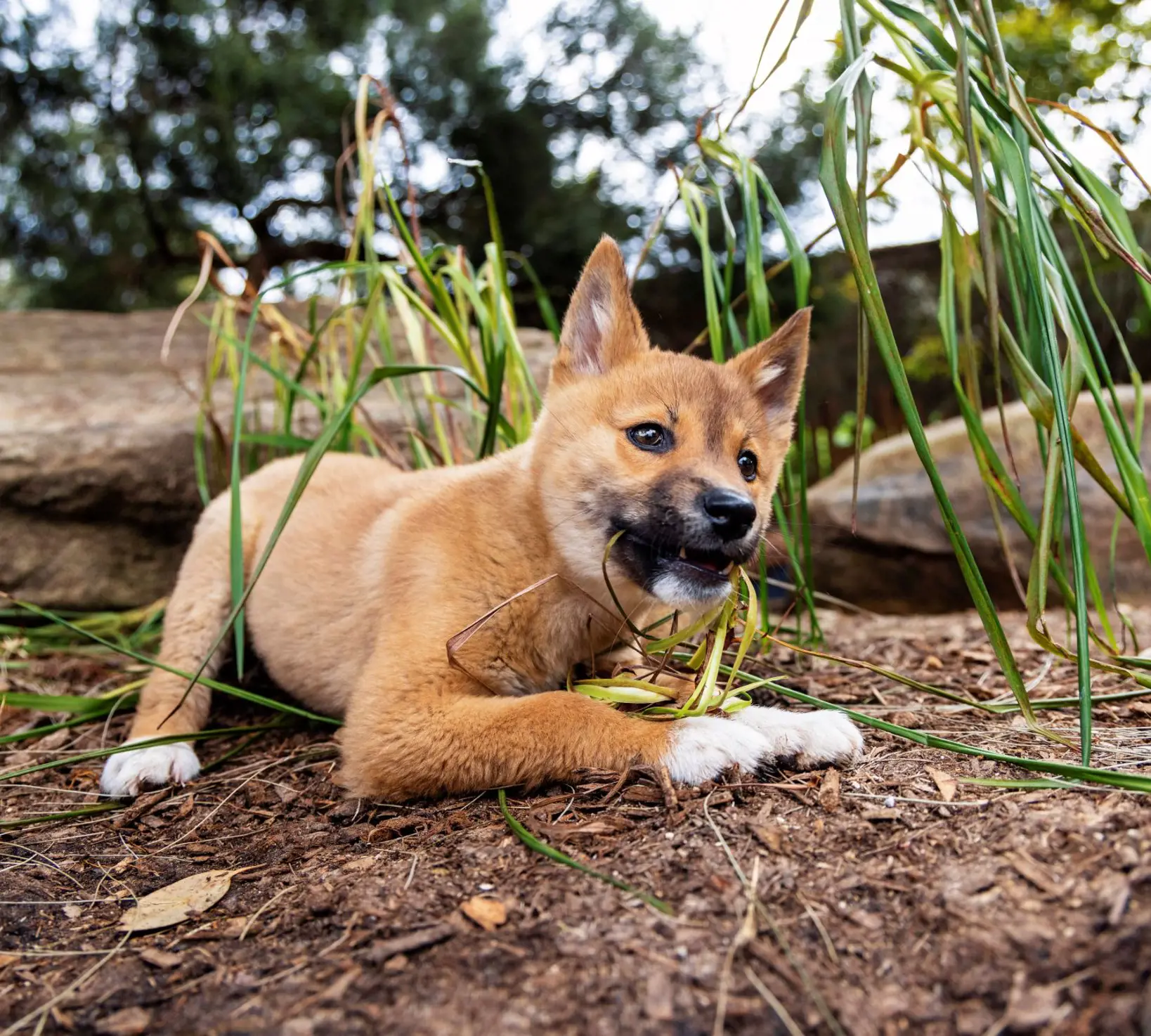
Get up close with your favourite Zoo residents in Sydney and Dubbo.
Discover Dubbo
Discover Sydney
Become a Zoo Parent and make your contribution to precious wildlife.
Learn about Taronga's Conservation Programs.