

Animal Encounters
Get up close with your favourite Zoo residents in Sydney and Dubbo.
Discover Dubbo
Discover Sydney
Scientific nameMacrotis lagotis
Conservation status (IUCN)
Vulnerable
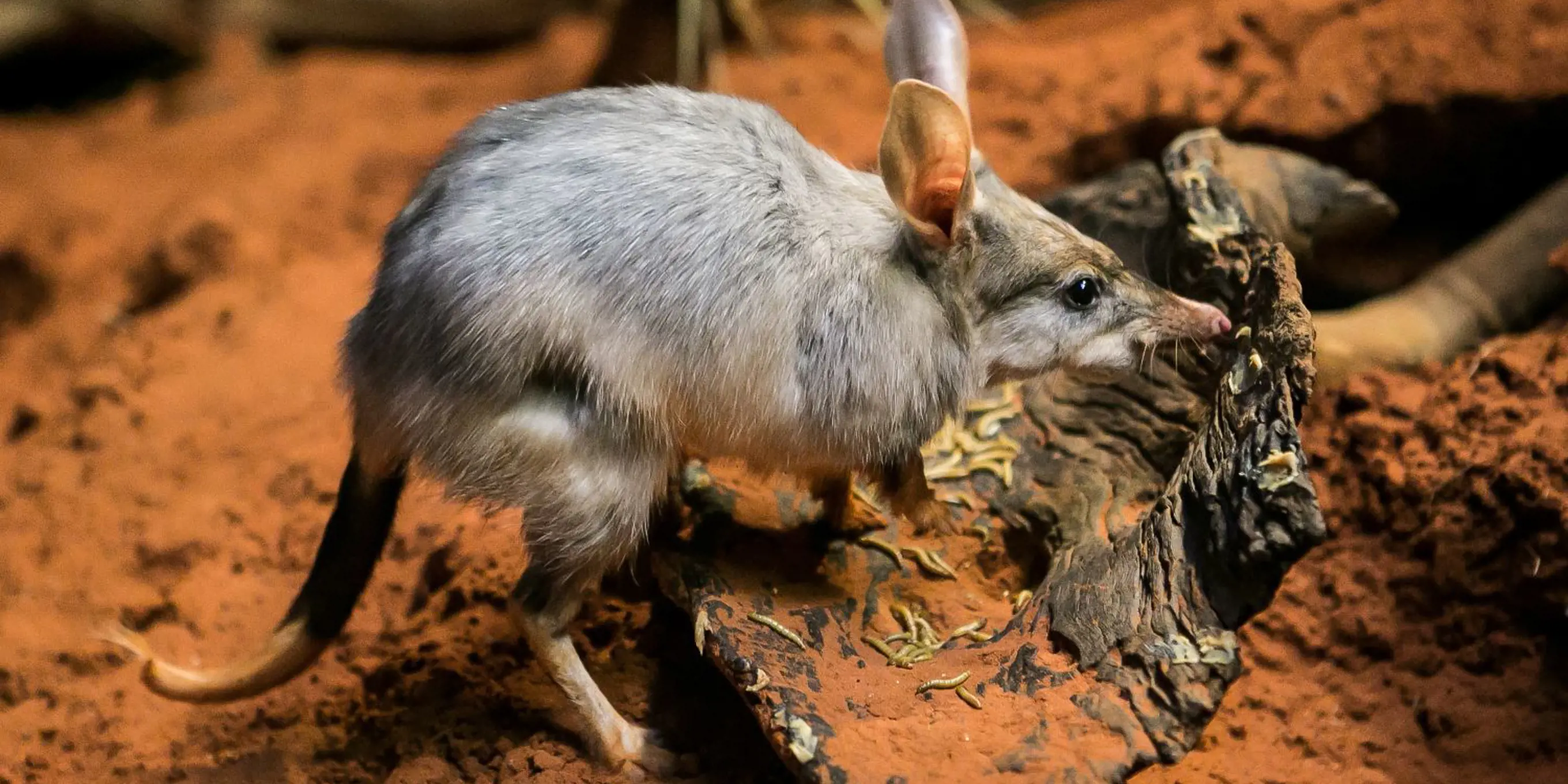
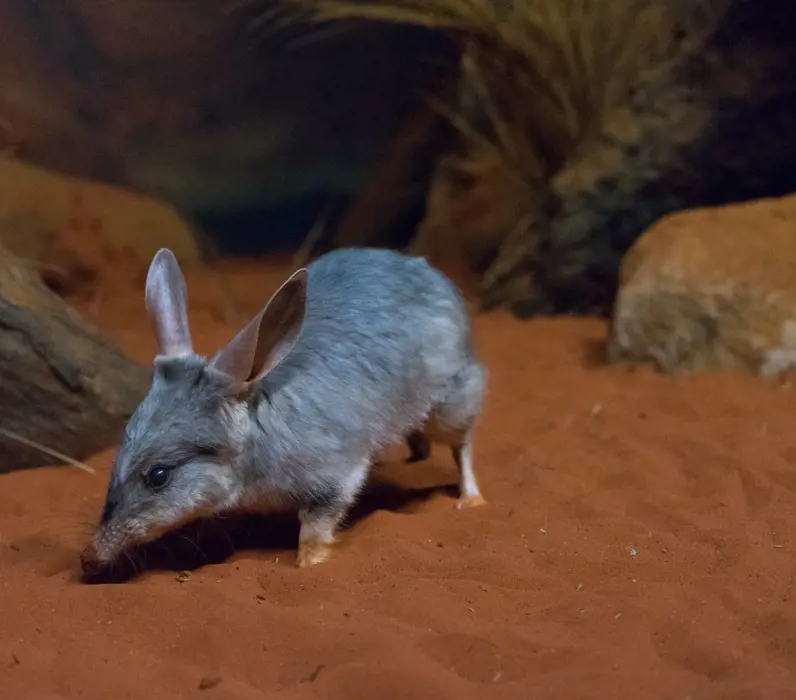
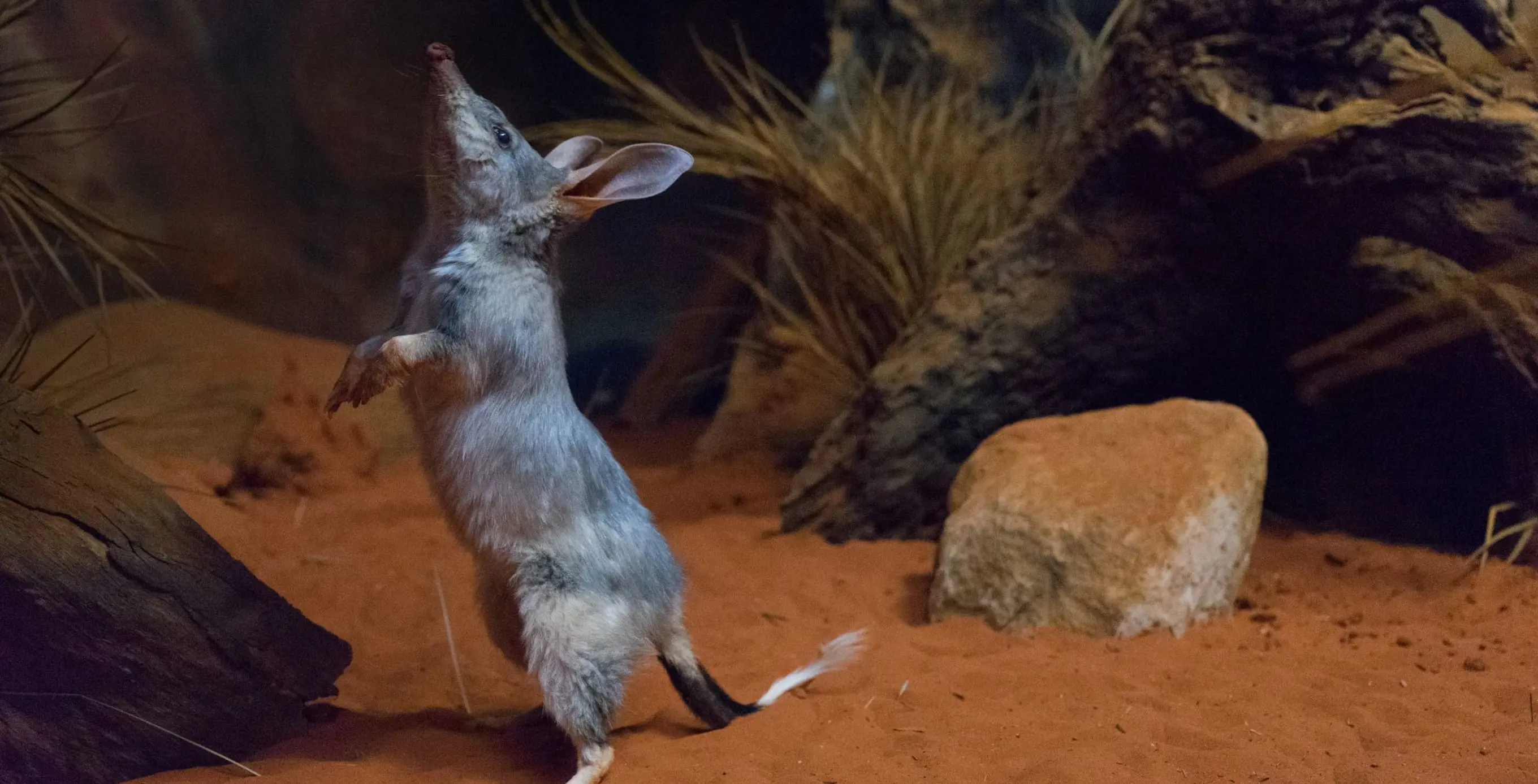
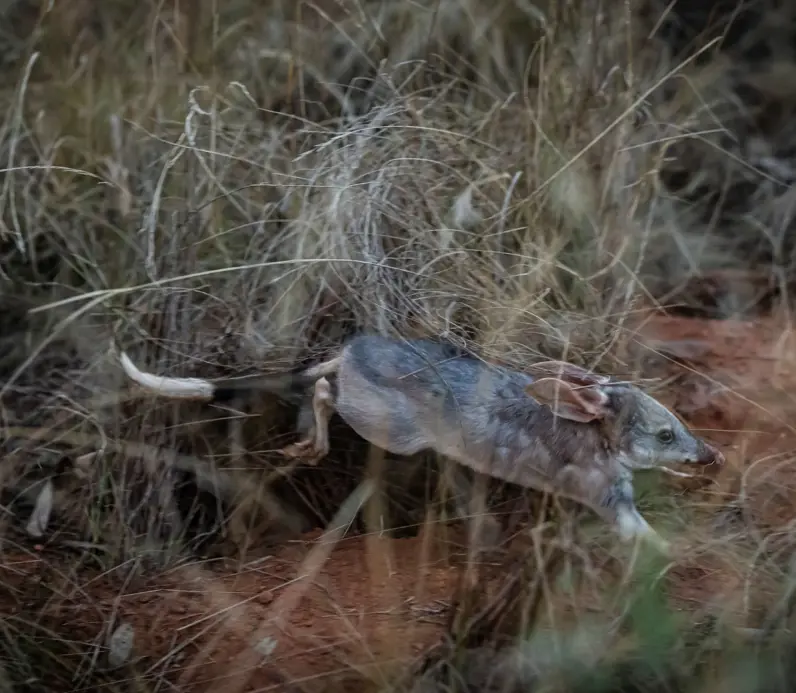
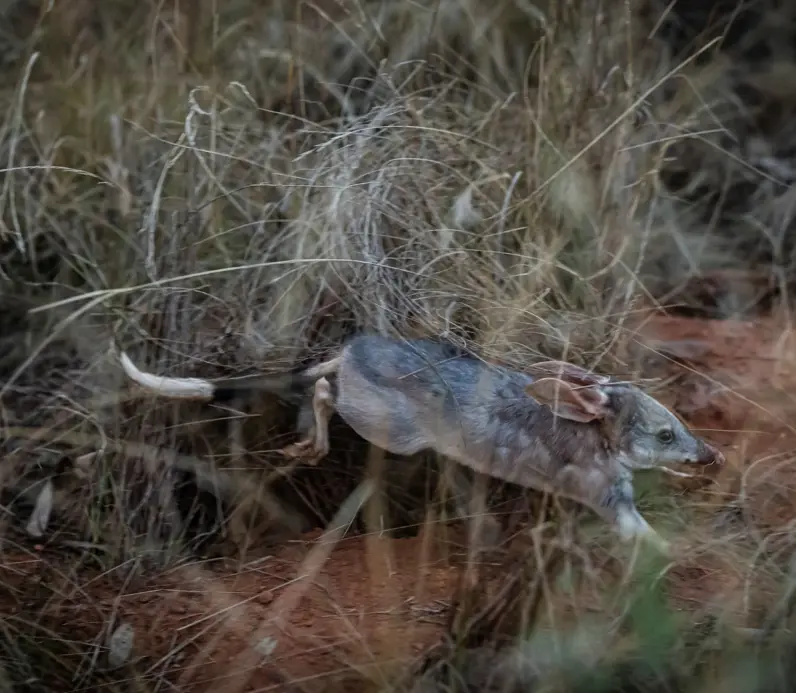
Bilbies (bilbi in Wiradjuri First Language) are the largest species in the bandicoot family and have beautiful fluffy, silky grey fur and a long snout with a slender tongue.
See our group of Bilbies at nguwing nura.
10:30am - 2:30pm



We bet you didn't know these facts about the Greater Bilby.

Scroll across to reveal Bilby facts.
Conservation status (IUCN)
Vulnerable
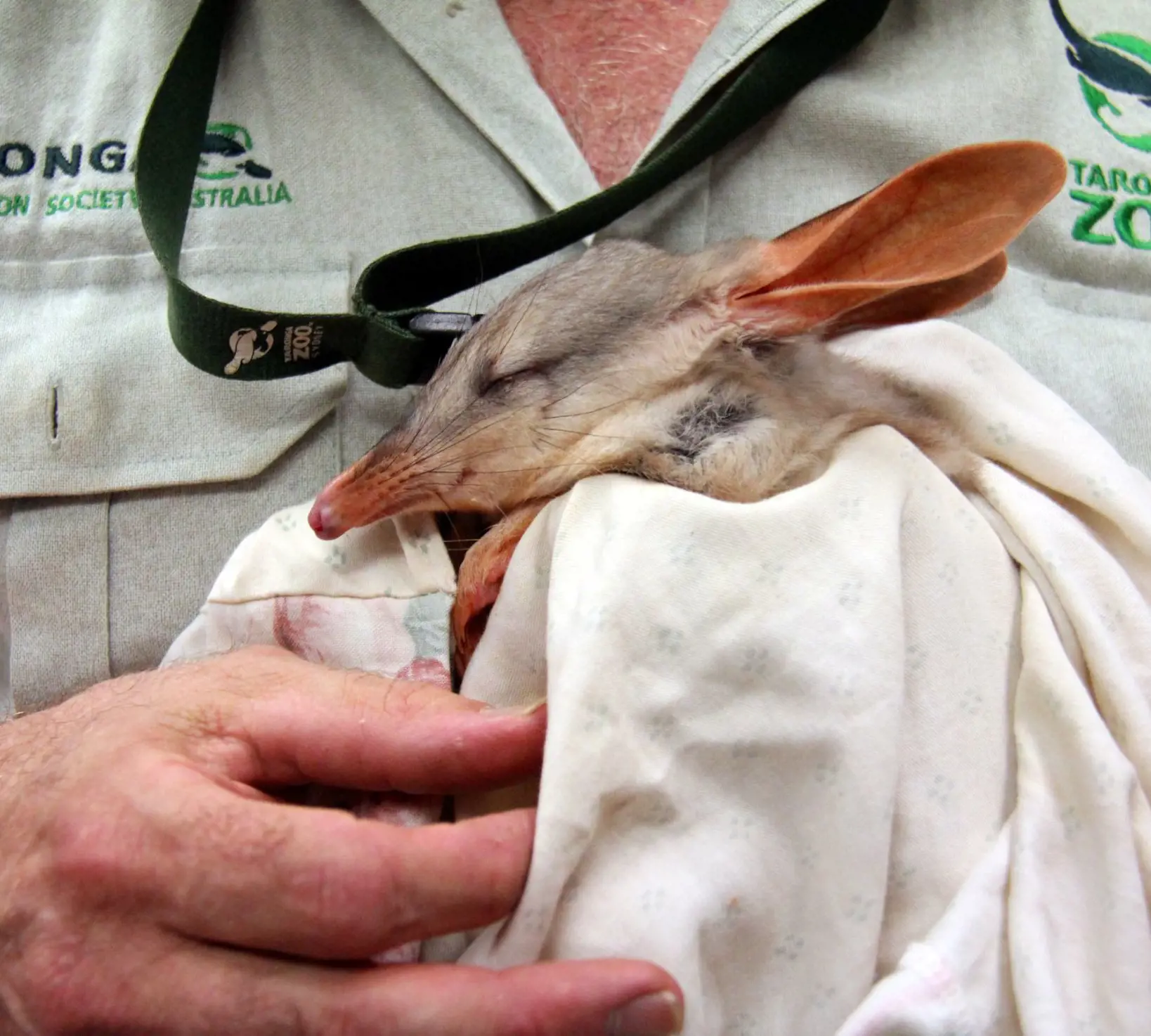
Taronga contributes to an Australasian Species Management Program and/or international breeding program for this species. This helps maintain healthy and resilient zoo-based animal populations by preserving genetic diversity, supporting animal husbandry knowledge, and ensuring exceptional animal welfare, safeguarding the species for the future.
The Taronga Sanctuary at Taronga Western Plains Zoo is an open space for bilbies to thrive and exhibit natural behaviours.



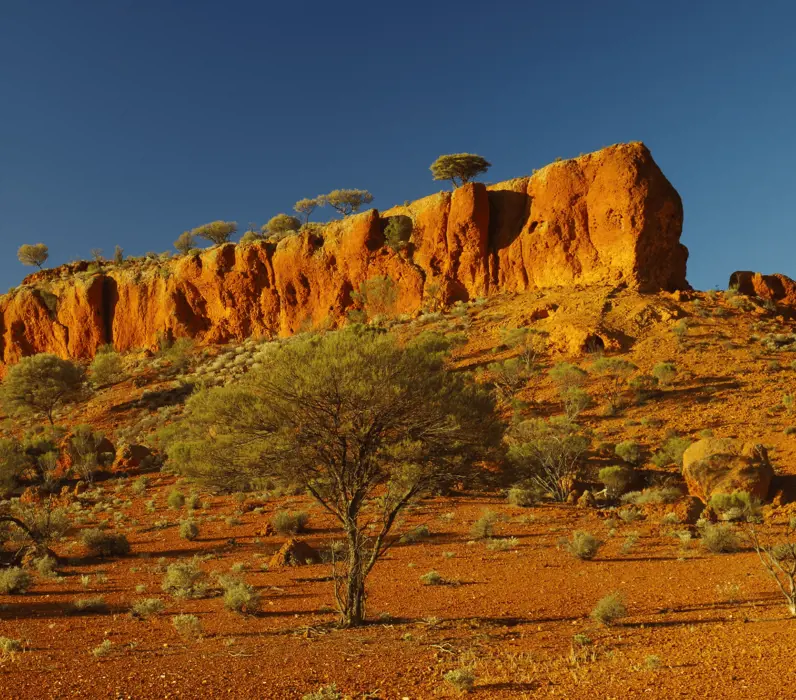
With such a delicate appearance one is led to wonder how such an animal could ever survive such harsh desert conditions! They keep cool in the hot Australian summer by using their strong claws to dig cool burrows underground. These burrows are generally spiral and as much as 3 meters long and 1.8m deep.
Their large, hairless ears let heat from their body escape and they emerge to find food in the cool of the night. They have amazing smell and hearing which is important for finding food and detecting predators from far away. Their ears are exceptionally maneuverable and can be rotated, made to stand flat against the body, positioned at right angles to the body and can even be folded in half.
Bilbies are marsupials, meaning they give birth to live young at a very early stage of their development and the young develop while attached to a teat in a pouch on the outside of the females' body. Bilbies are even more unusual because they have a backwards facing pouch! This is a very useful adaptation because it means that when a female is digging away at the soil to hunt for food or build a burrow, the soil does not fill up in the pouch.
Bilbies are a very important ‘ecological engineers’ in the iconic Australian bush. They create disturbances in the form of nose pokes, scratching, shallow and deep digs, long bull-dozing tracts and complex subterranean burrows. They might be small, but these mammals punch above their weight, shifting up to 3.6 tonnes of soil per kilogram of body mass in a year! In doing this, they improve the soil health by turning over and mixing organic matter. Soil turnover brings deep soils and their nutrients to the surface. Their diggings also trap organic matter and other materials, increasing nutrient availability to the plants.
The main threats to their survival are loss of habitat, competition with introduced species and predation, particularly by cats and foxes. Rabbits, cattle and other hoofed mammals compete with bilbies for food and habitat, as agricultural activities now extend over most of Australia’s fertile regions, with tree clearing, crop planting and domestic stock grazing making these areas unsuitable for bilbies.
Adopting a Greater Bilby helps protect this endangered Australian icon and supports vital conservation work.
Discover educational resources for kindergarten to year 6.
Get up close with your favourite Zoo residents in Sydney and Dubbo.
Discover Dubbo
Discover Sydney
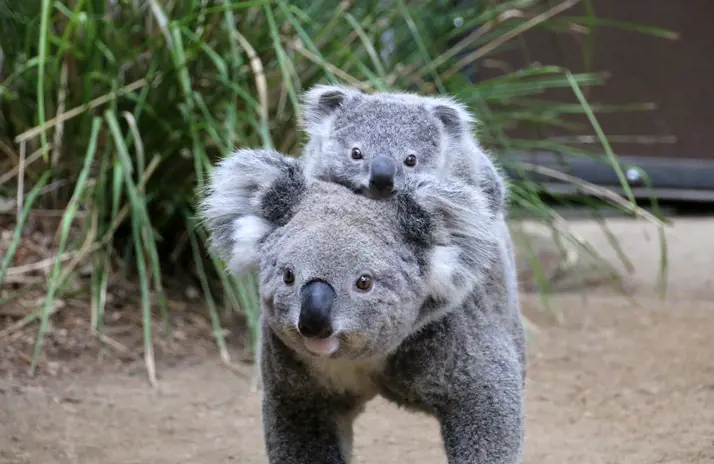
Become a Zoo Parent and make your contribution to precious wildlife.
Learn about Taronga's Conservation Programs.