

Adopt a Platypus
Adopt a Platypus and become a Zoo Parent to help protect these iconic Australian animals in the wild for future generations.
Scientific nameOrnithorhynchus anatinus
Conservation status (IUCN)
Near Threatened
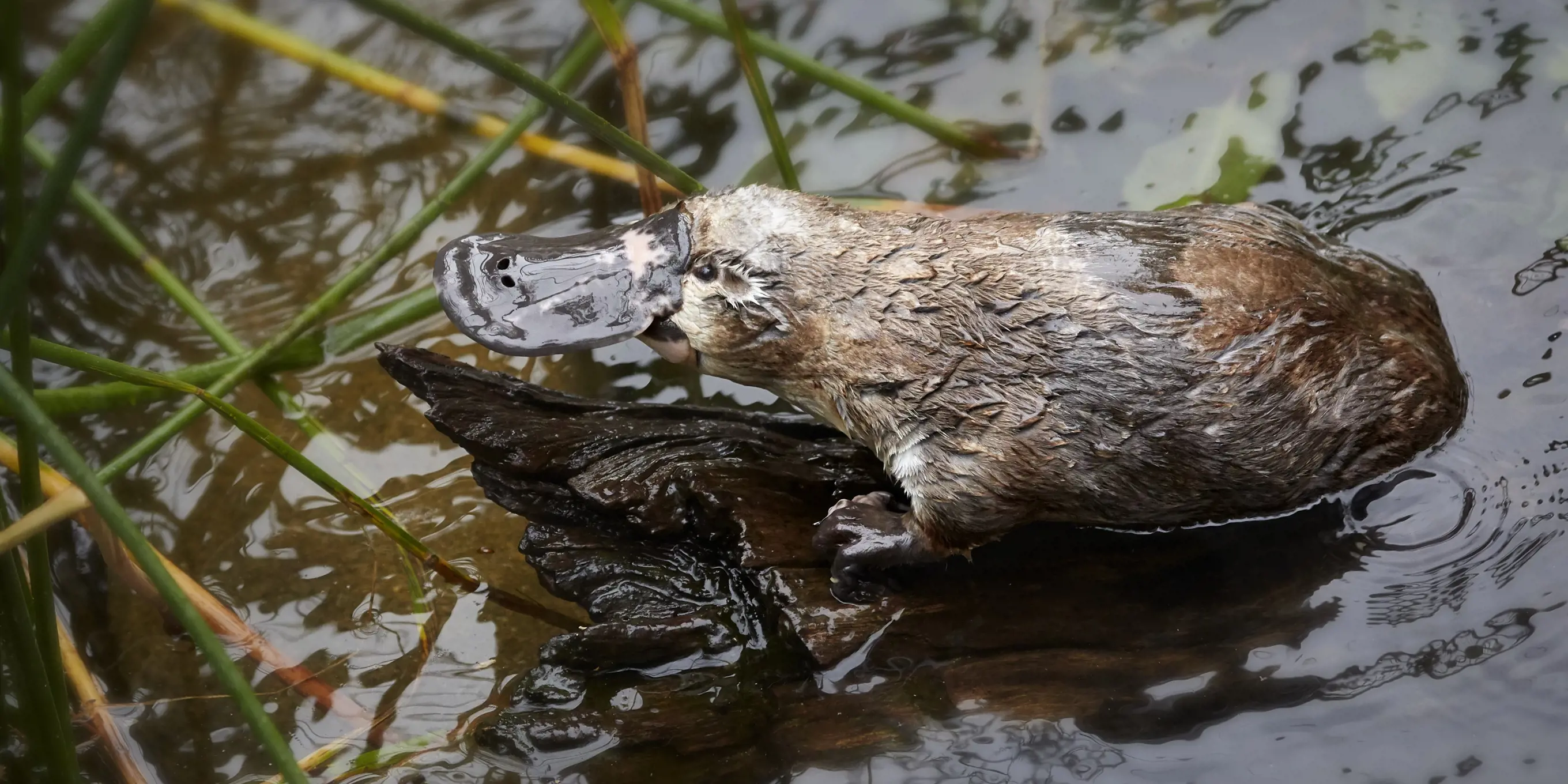
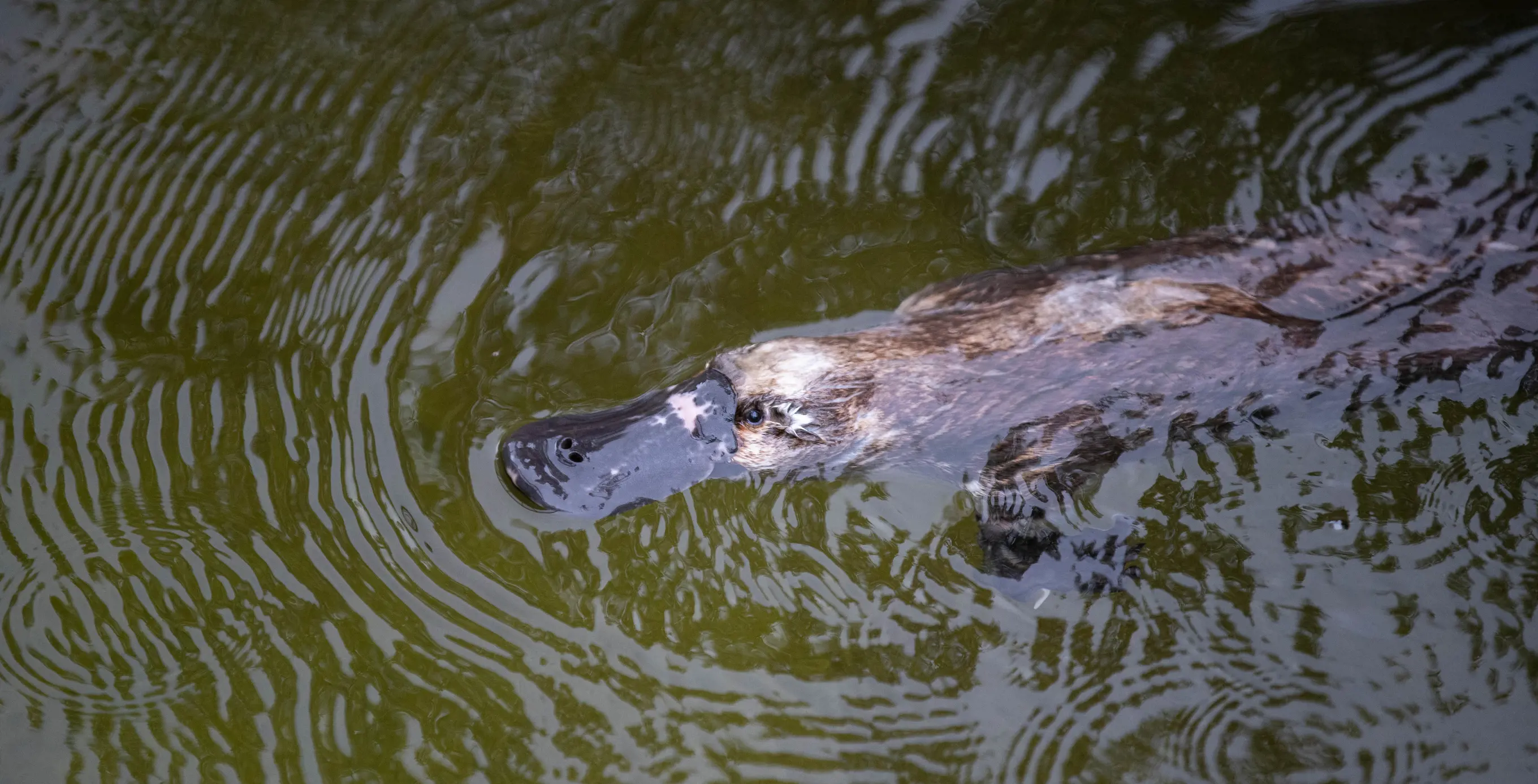
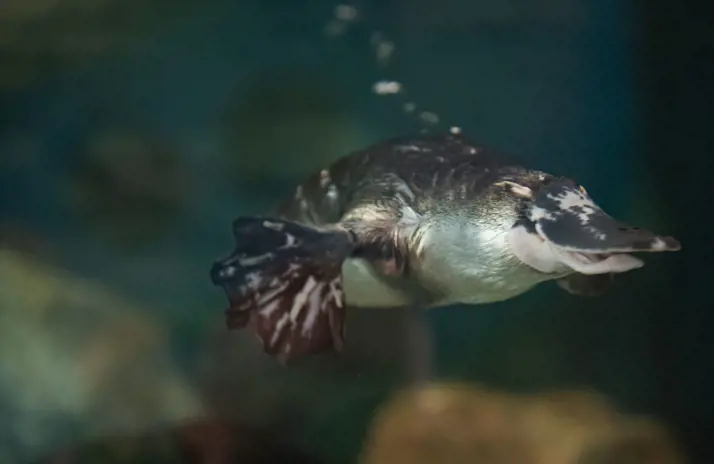
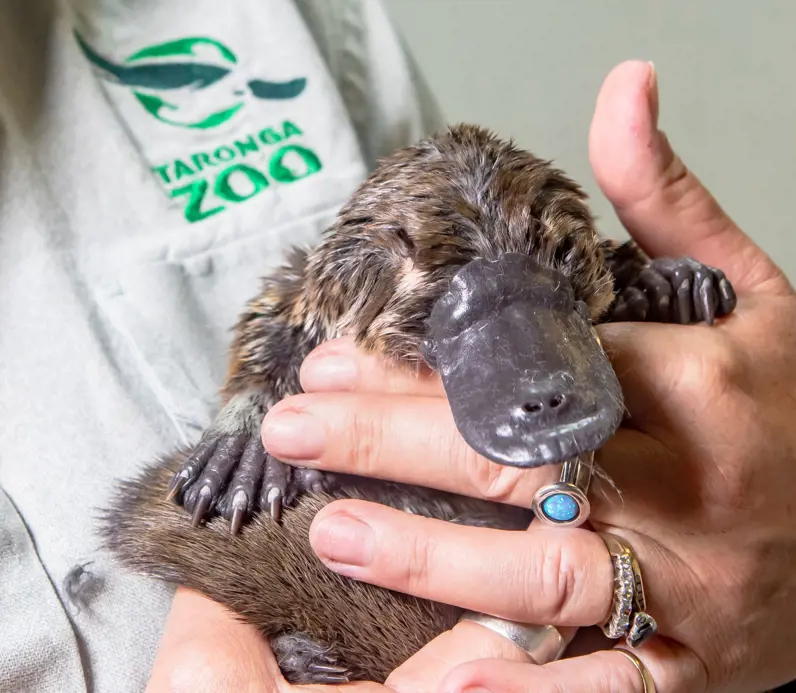
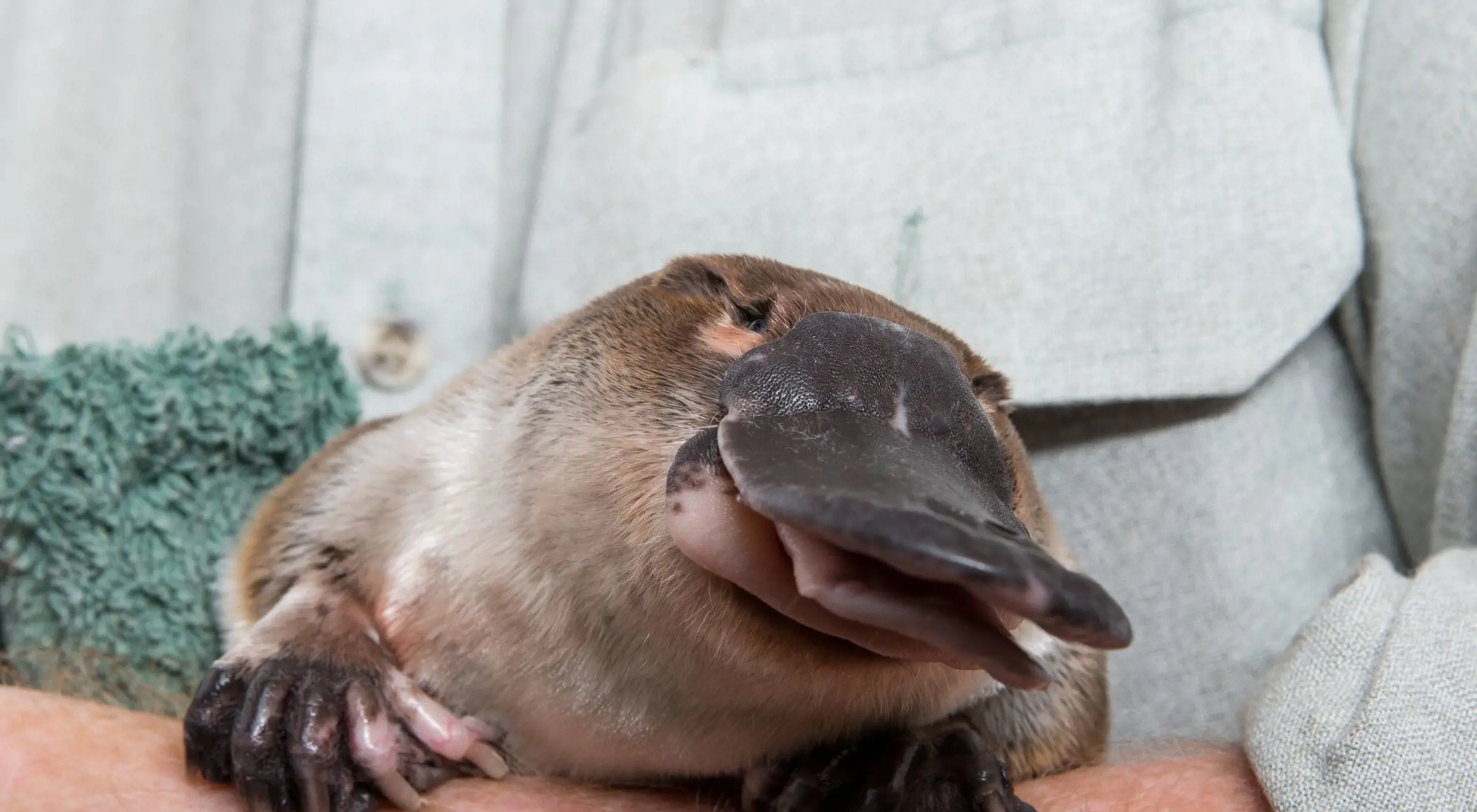
The platypus (badang in Sydney First Language) is the animal emblem of Taronga Conservation Society Australia and the state of New South Wales. This secretive and elusive monotreme has inhabited the freshwater streams, rivers, and lakes of eastern Australia and Tasmania for thousands of years.
See a Platypus in nguwing nura – Nocturnal House or in the Blue Mountains Bushwalk.
10:00am




We bet you didn't know these facts about the Platypus.

Scroll across to reveal Platypus facts.
Taronga contributes to an Australasian Species Management Program and/or international breeding program for this species. This helps maintain healthy and resilient zoo-based animal populations by preserving genetic diversity, supporting animal husbandry knowledge, and ensuring exceptional animal welfare, safeguarding the species for the future.
Conservation status (IUCN)
Near Threatened
The Platypus is the animal emblem of Taronga Conservation Society Australia and the state of NSW. It has swum the fresh waters of eastern Australia and Tasmania for thousands of years, but remains a secretive and elusive creature. Wildlife Queensland research suggests that in Queensland there is not one continuous population, but at least three discontinuous populations.
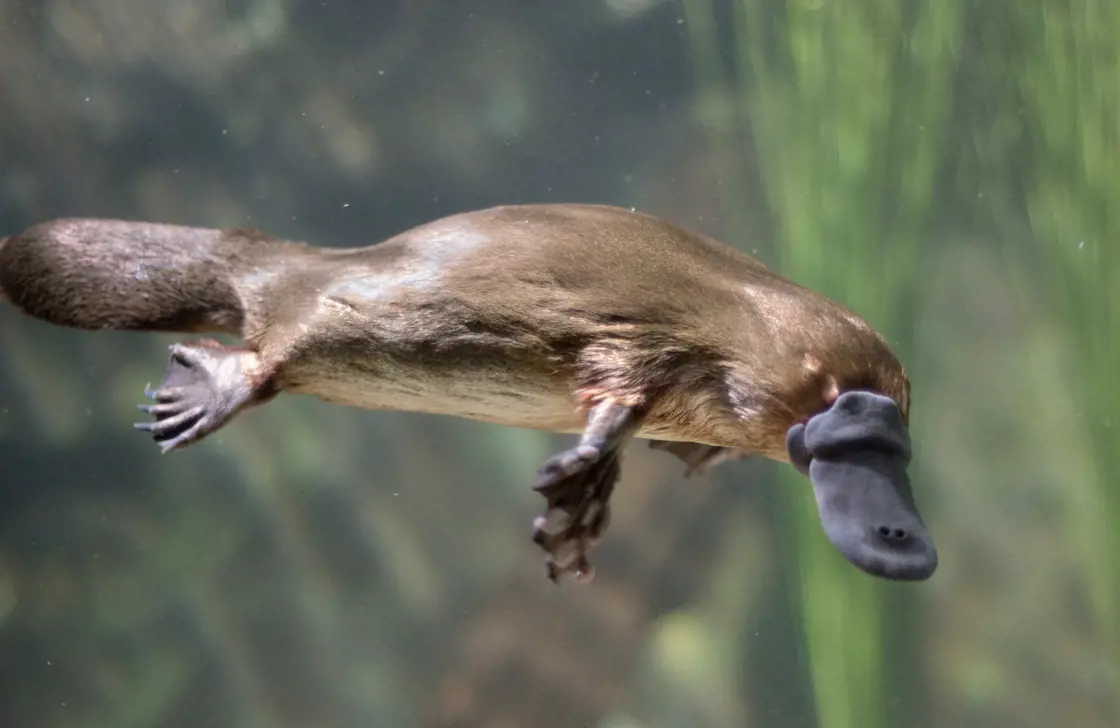
The amphibious Platypus is a monotreme and one of the most unusual creatures on Earth. Monotremes are a unique group of mammals that lay soft-shelled eggs. The only other monotremes are echidnas.
Monotremes are thought to be the most primitive of all mammals. A 122-million-year-old fossil from southeastern Australia, shows that in the middle of the dinosaur era, platypuses already existed! They are specialised mammals, with duckbills and complex adaptations to water life.
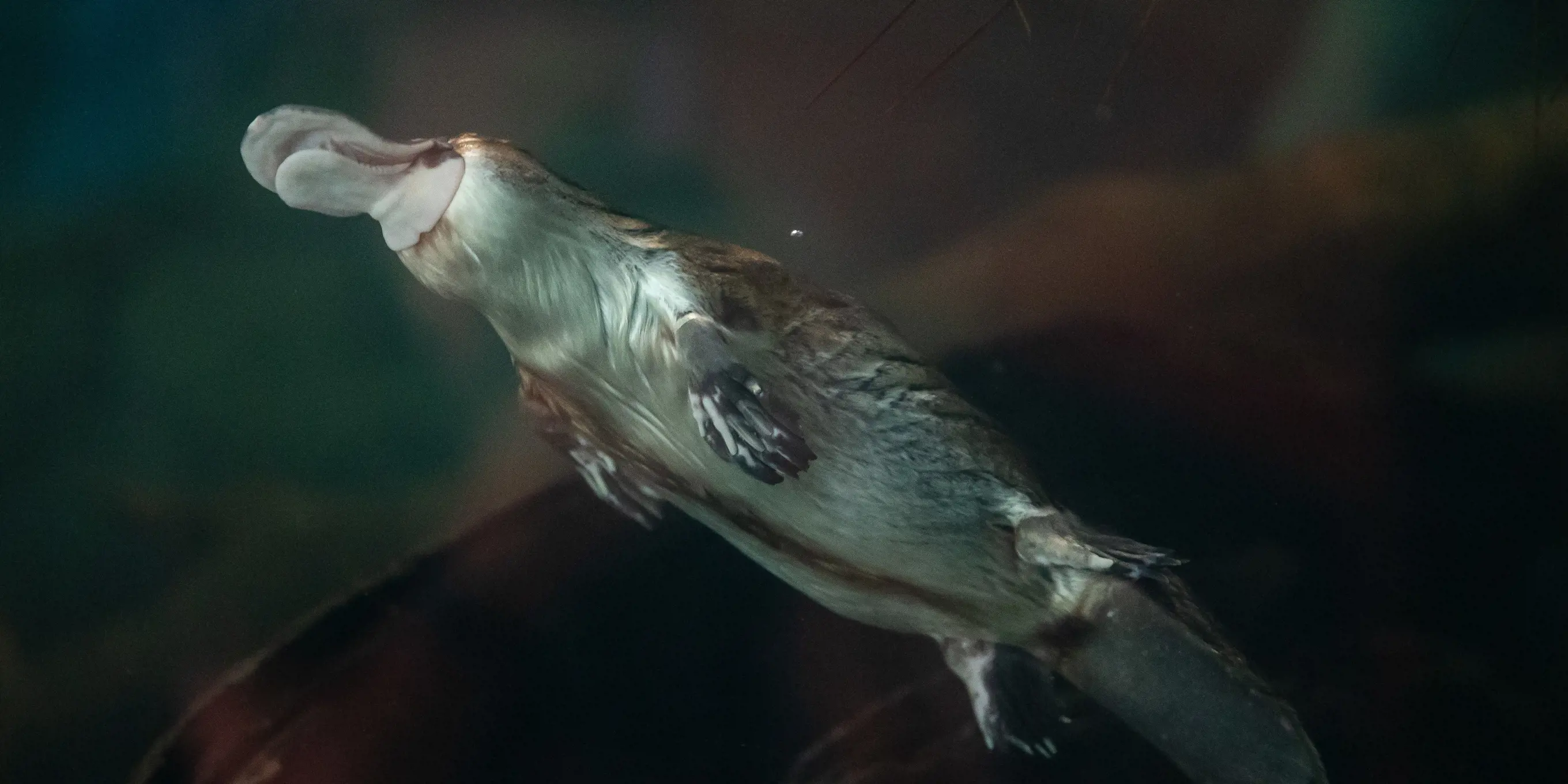
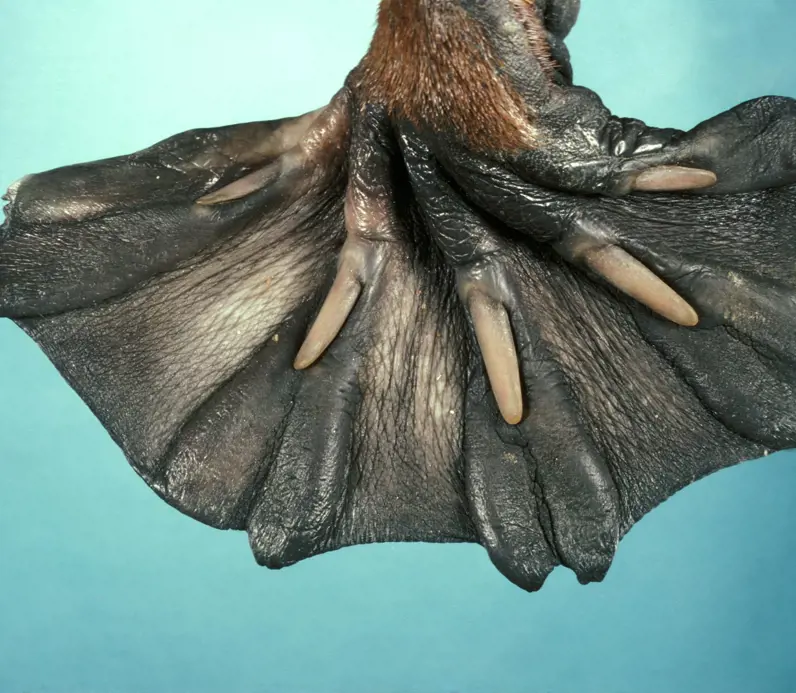
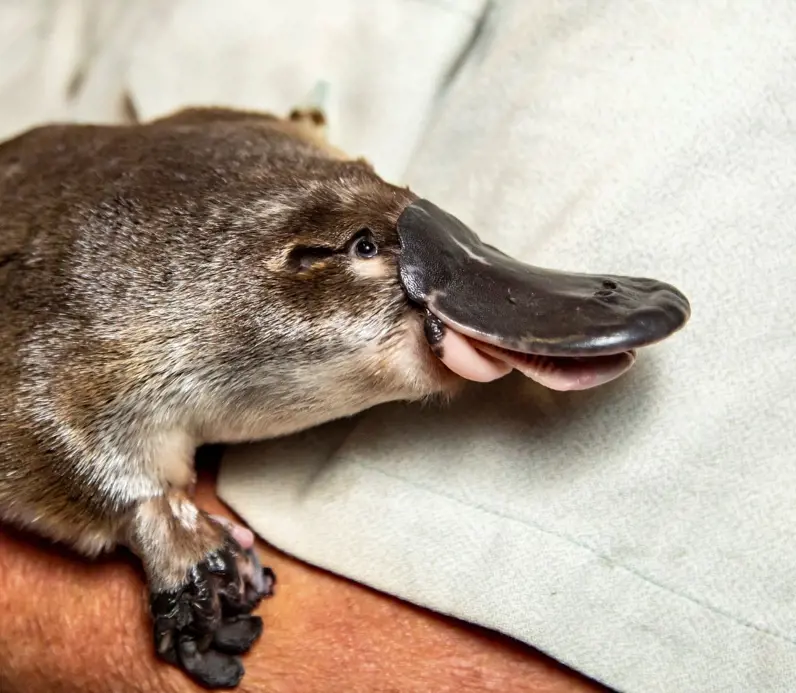
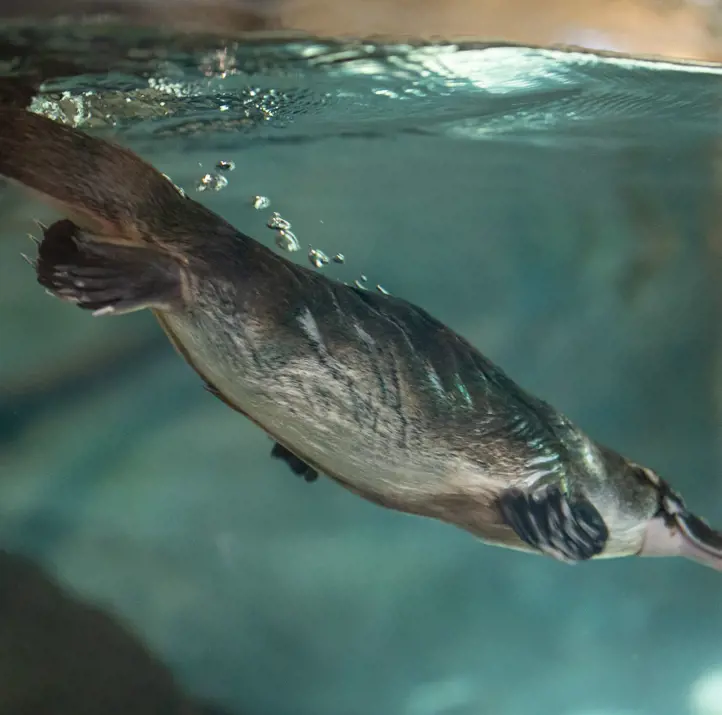
Webbed feet are the ideal adaptation for swimming in the water. When the platypus is moving on land it folds up the webbing under its toes and uses its claws for walking and burrowing.
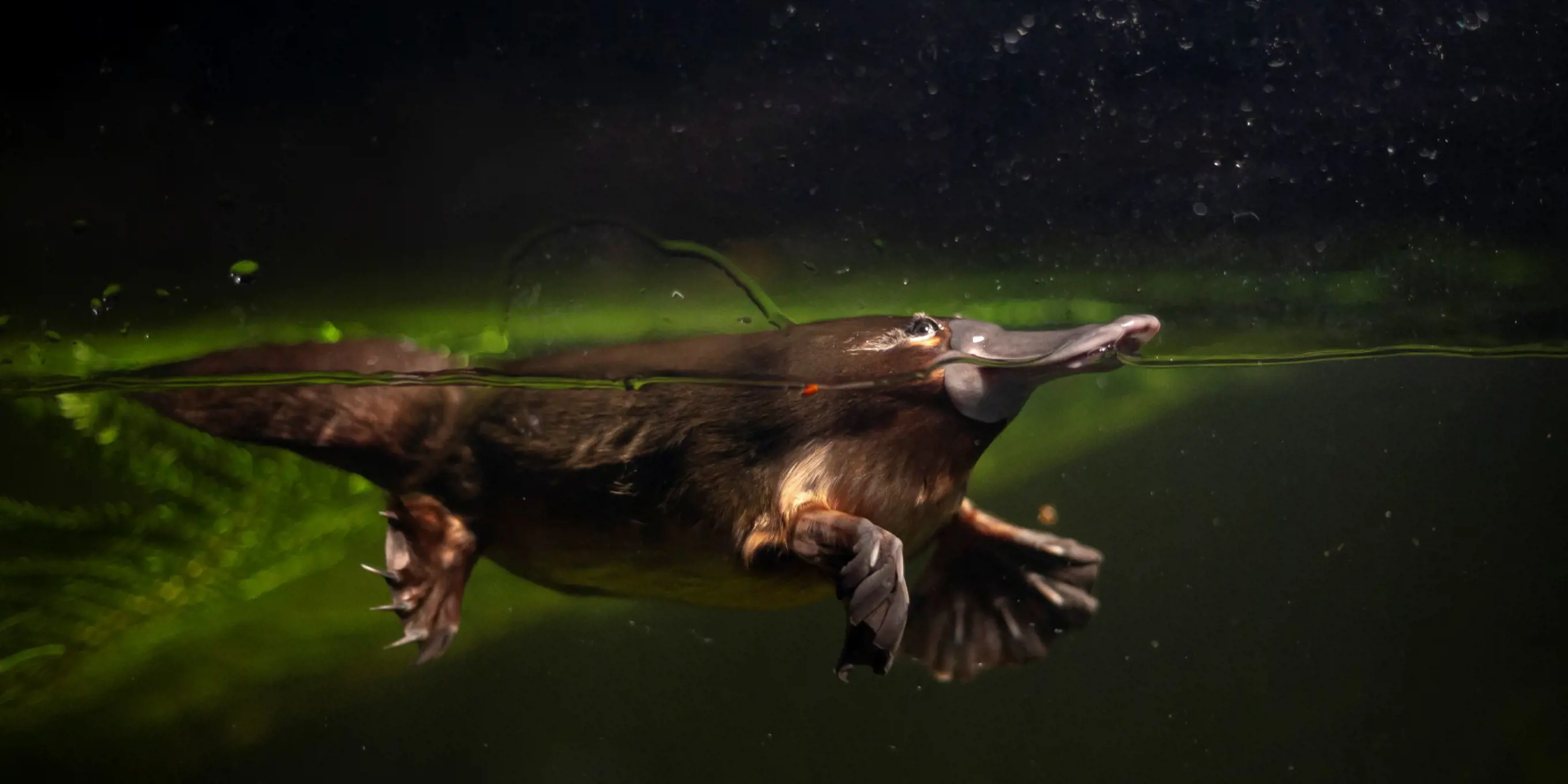
Platypuses use electroreceptors on their bill to detect electrical signals given off by prey moving through the water. These electroreceptors allow them to ‘see’ while foraging for food underwater.
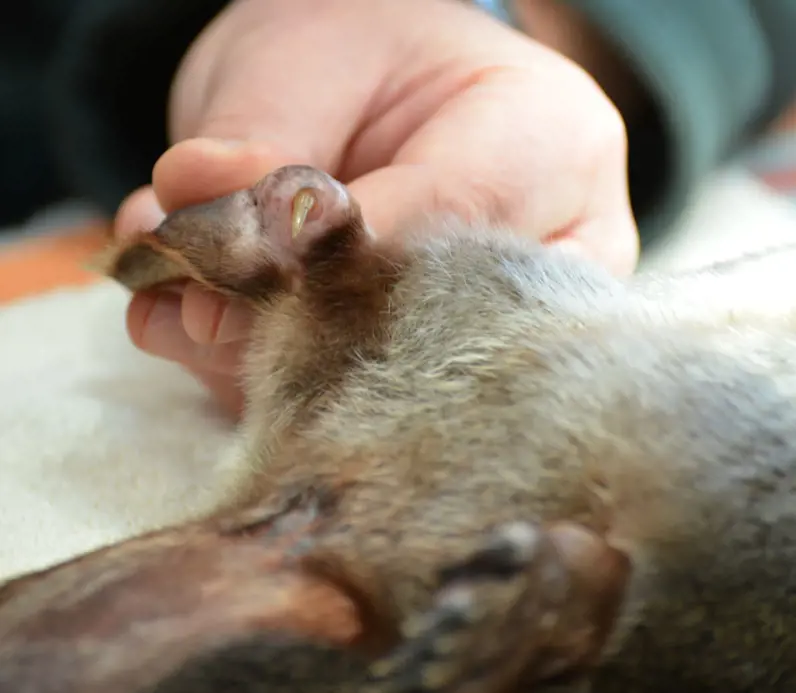
Platypuses are among the few venomous mammals in the world. Males have a spur on the back of their hind feet that is connected to a venom-secreting gland. More venom is secreted during mating season, leading researchers to think that the spurs and venom help males compete for mates. When it comes to securing a mate, the biggest and toughest male wins.
The predominant threat to Platypus on the mainland is reduction in stream and river flows due to extraction of water for agricultural, domestic and industrial supplies and dams. Deteriorating water quality is also adversely affecting its habitat, particularly from household chemicals, pesticides and fertilisers that enter a waterway through storm run-off after being poured onto the ground or into a gutter.
Accidental drowning in nets and traps set for fish and crustaceans has the potential to impact Platypus distribution and abundance in all parts of its range, especially in small streams where populations may be critically small.
Bank erosion and clearing has a huge impact on the habitat of the Platypus, as they need substantial vegetation to support the delicate balance of their habitats. The trees provide shade, oxygenate the water, provide food for the aquatic invertebrates that the platypus eat as well as burrowing areas around tree roots. Stabilisation and revegetation of banks will increase the habitat of the Platypus.
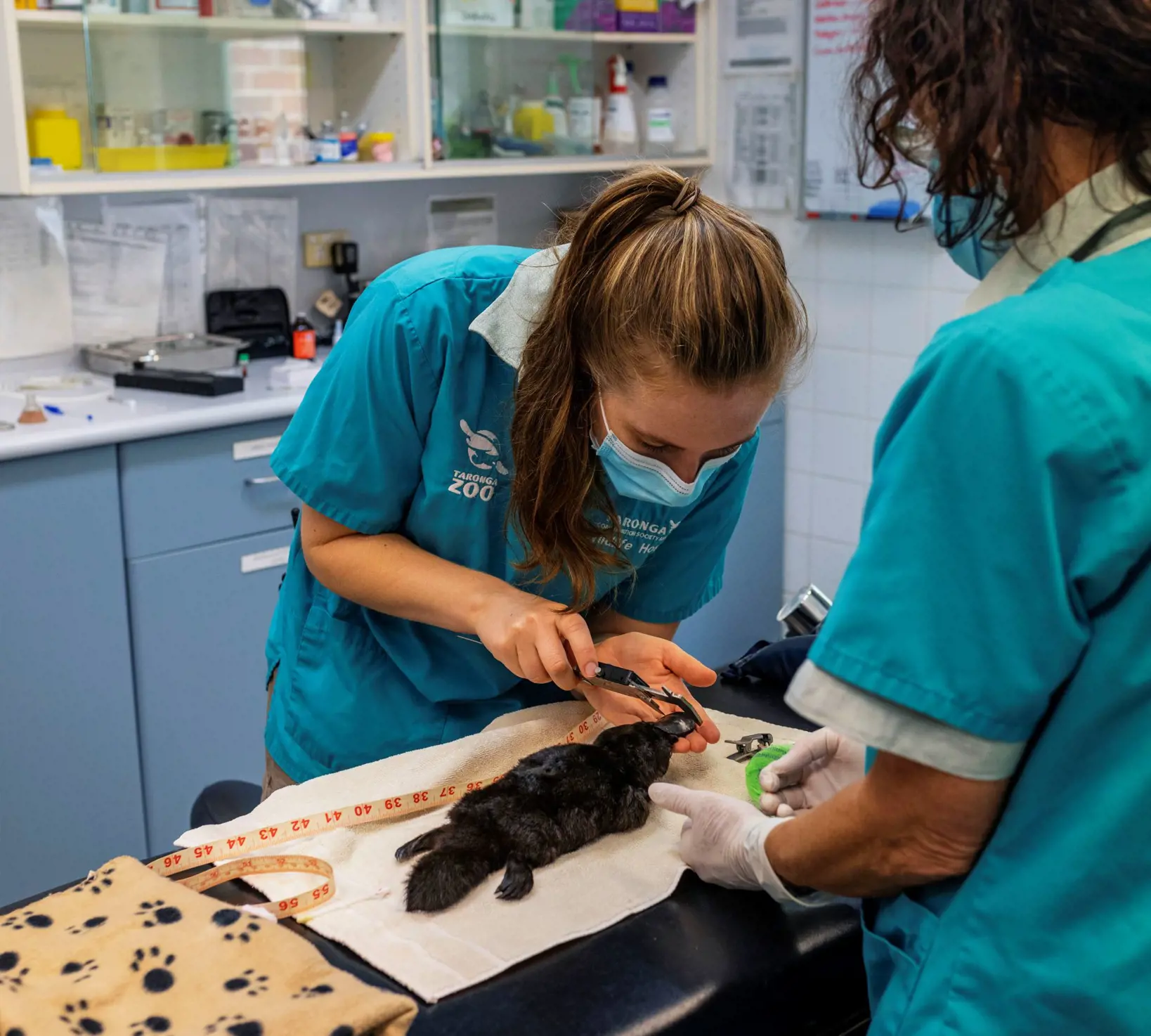
Taronga teamed up with UNSW to rescue Platypus from harsh, dry conditions at Tidinbilla Nature Reserve and reintroduced them to the wild once creeks were at a stable level. Watch on to hear the full story!
When you choose reusable items and say no to single-use plastic, it makes a world of difference to wildlife.
The Platypus is one of the world’s most unusual mammals, living in rivers and streams in eastern Australia, but pollution, dams, and habitat damage are putting pressure on this unique species.
Discover educational resources for kindergarten to year 6.
Connoisseur is donating 10c for every Connoisseur sold at both Taronga Zoo Sydney and Taronga Western Plains Zoo Dubbo directly to the Platypus.
Be sure to purchase a Connoisseur Ice Cream during your visit to Taronga to show your support of this iconic Aussie animal!

Adopt a Platypus and become a Zoo Parent to help protect these iconic Australian animals in the wild for future generations.
Visit Platypus Rescue HQ at Taronga Western Plains Zoo Dubbo and meet Mack the Platypus at the world’s largest purpose-built platypus conservation centre.