Alligator Snapping Turtle
Scientific nameMacrochelys temminckii
Conservation status (IUCN)
Endangered
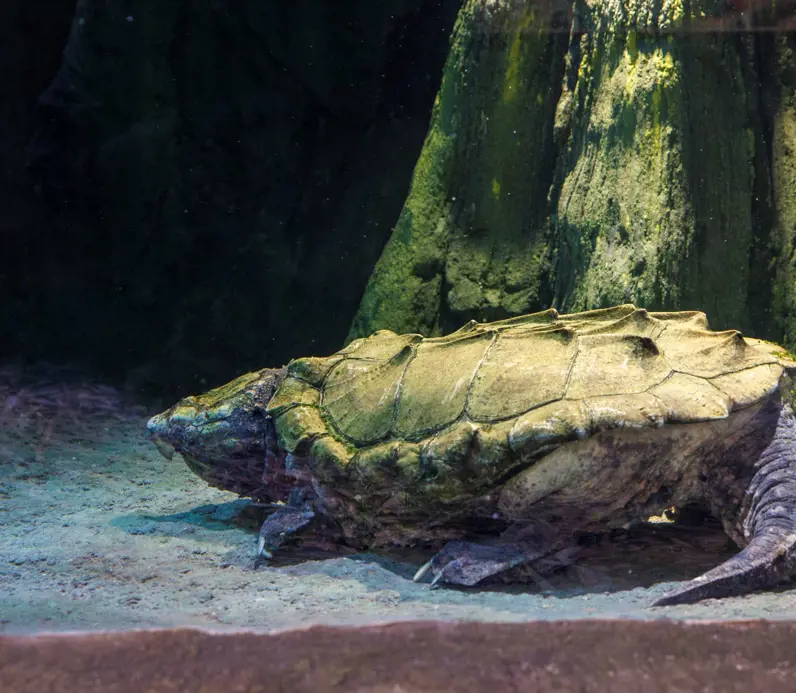
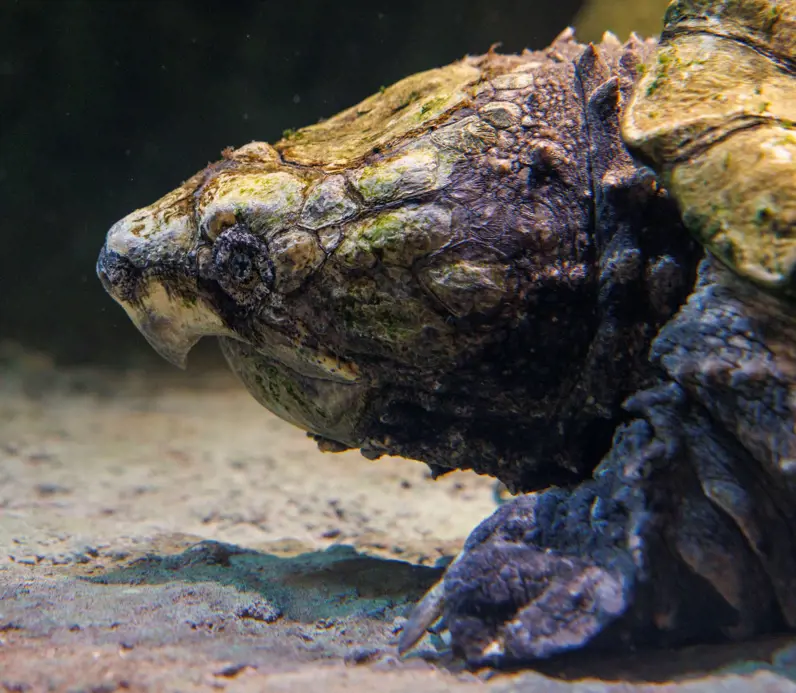
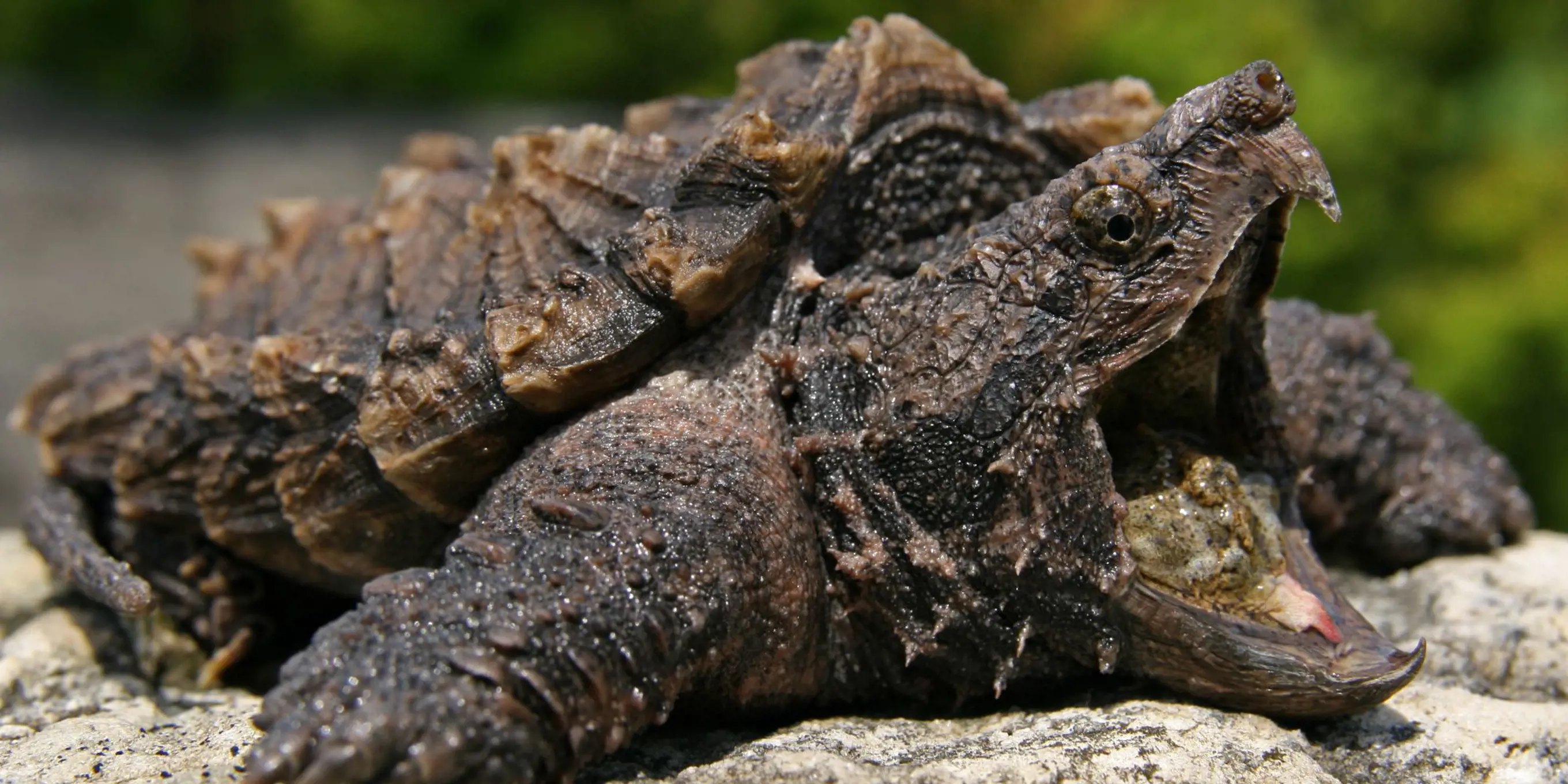
Named for their alligator-like appearance, this large freshwater species, the Alligator Snapping Turtle inhabits rivers and swamps in Southeastern USA, snapping their mouth shut on prey lured by their worm-like tongues.
Visitor tips for Sydney
You can see an Alligator Snapping Turtle in ARC.
Fun facts about Alligator Snapping Turtles

70yrs
Where they're found
What they eat

80cm

60

90kgs
70yrs
Where they're found
What they eat
80cm
60
90kgs
Did you know?
We bet you didn't know these facts about this Alligator Snapping Turtle.

Tap the icons
Scroll across to reveal info on the Alligator Snapping Turtle.
Oh snap!
The Alligator Snapping Turtle is named for its Alligator-like appearance and snapping motion it makes when catching prey.
Built-in bait
Alligator Snapping turtles use the red worm-shaped appendage on their tongue as a lure to draw fish towards their mouth!
Top of the food chain
Alligator Snapping Turtles are an apex predator, meaning no other animal can eat them as adults. They're at the top of the food chain!
Awesome Alligator Snapping Turtles
Alligator Snapping Turtles are omnivorous, eating mainly fish and invertebrates, but will also opportunistically eat birds, mammals, other turtles, and even small alligators. They also sometimes eat vegetation, and are efficient scavengers often eating carrion.
Growing up to 90kgs with an 80cm long shell, adult snapping turtles are apex predators of their territory as the top of the food chain. No animal can eat the adults, other than humans. As apex predators, these turtles play an important role in their ecosystems by regulating fish populations, and as scavengers through the removal of animal carcasses.
Eggs and hatchlings are susceptible to predation from birds, mammals, egg-eating ants, and other snapping turtles. American River Otters have been observed preying on juveniles.