Location
Between
Map ref. 22J
Map ref. 22J
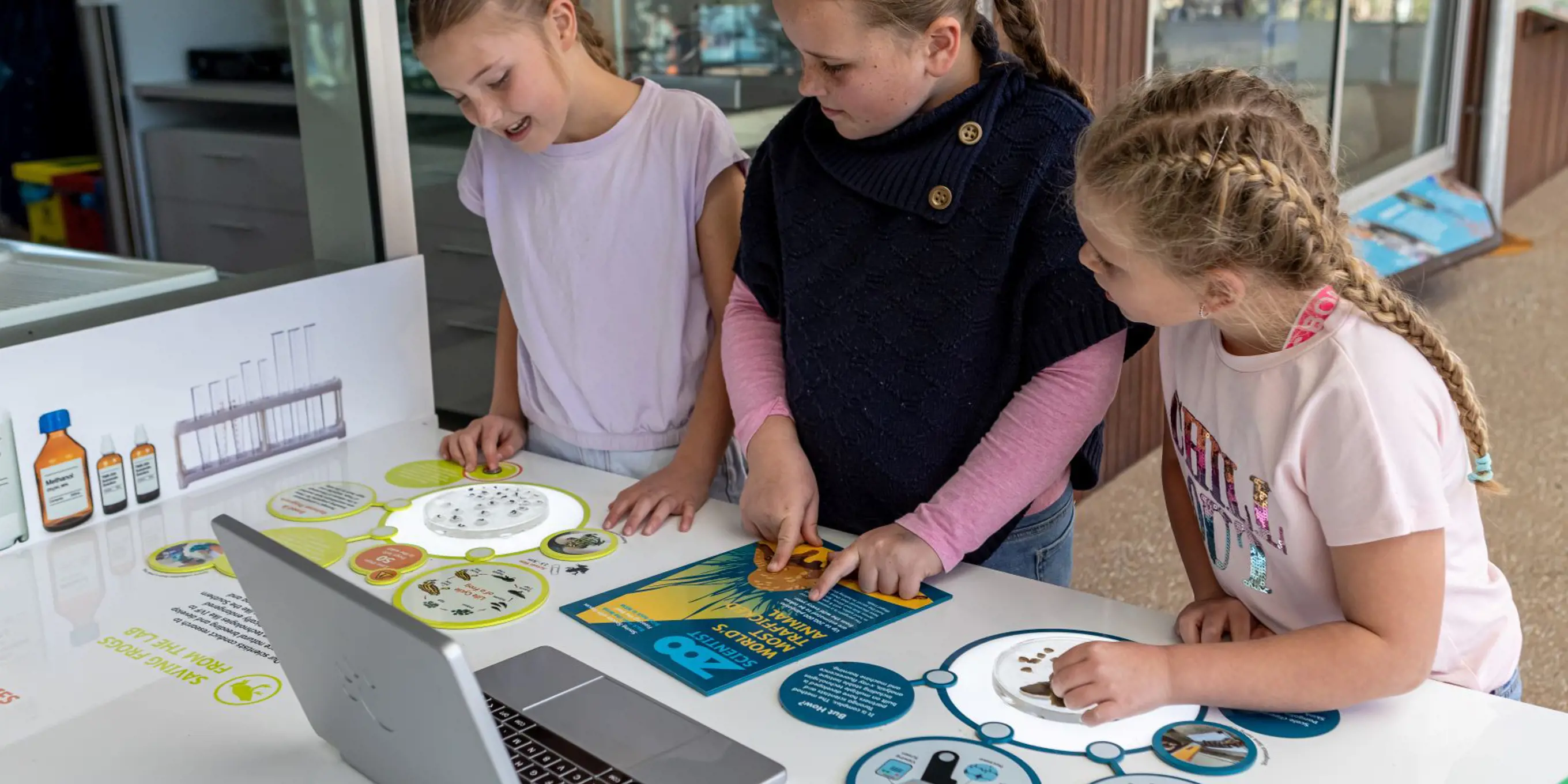
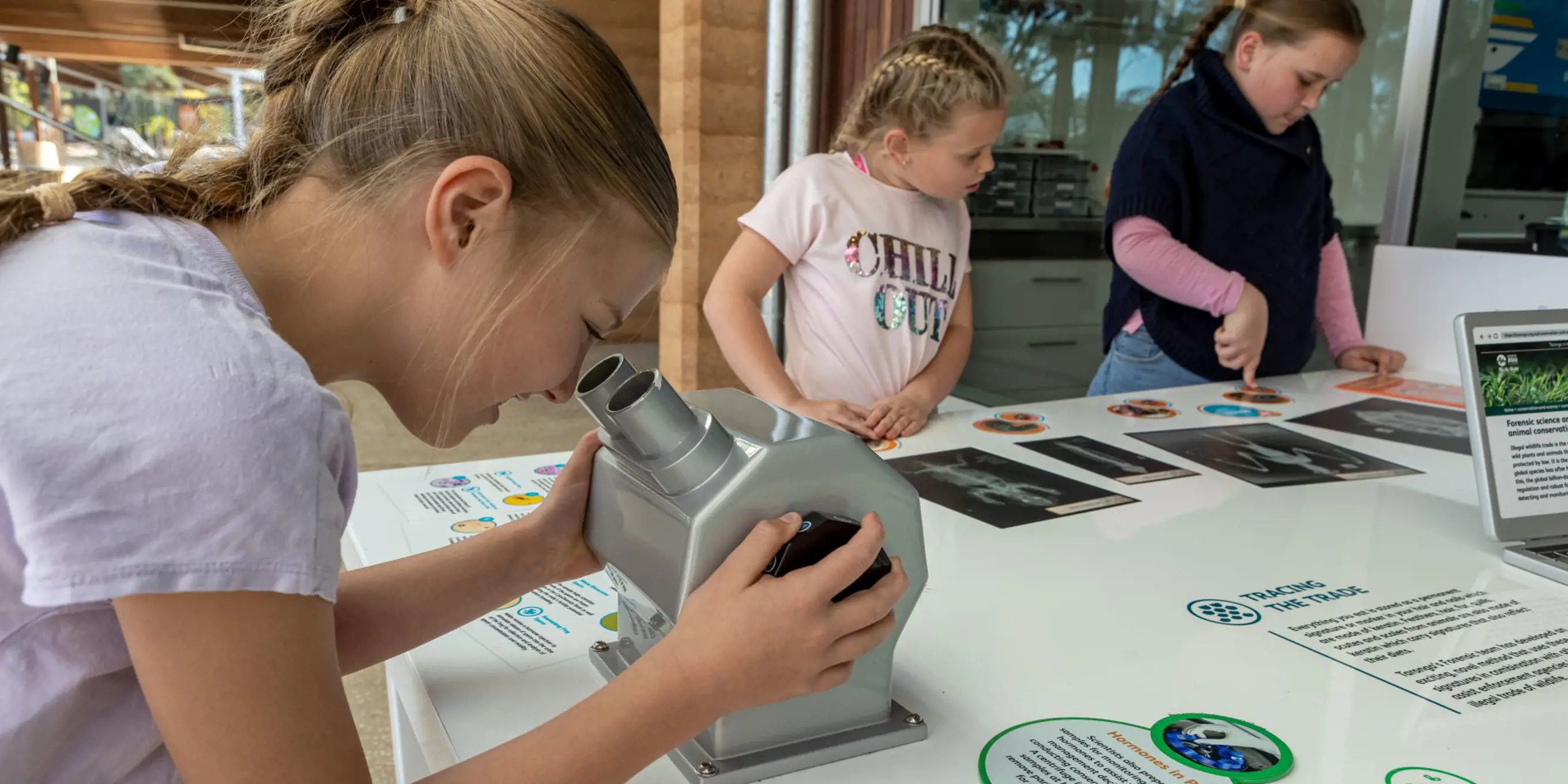
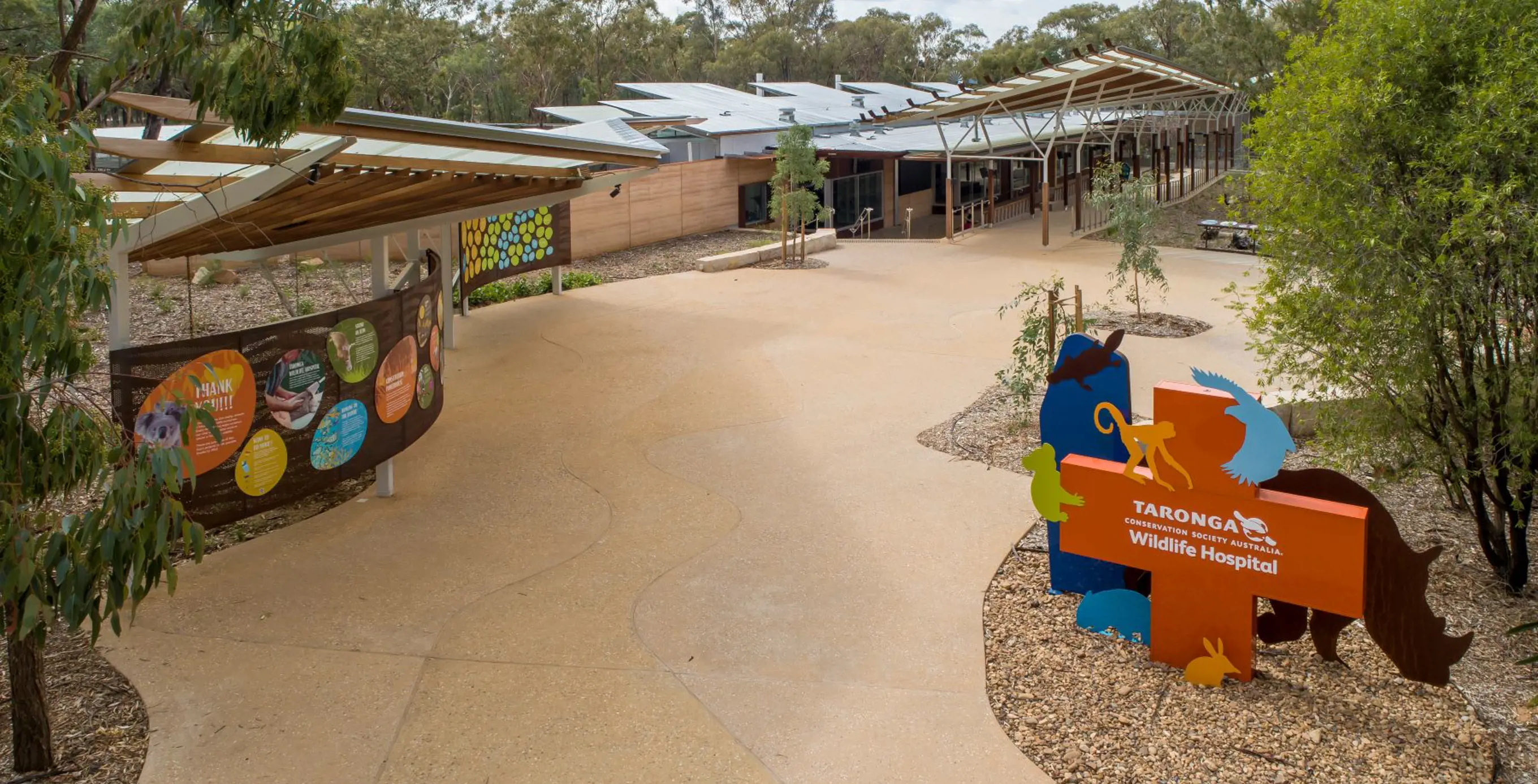
The Wildlife Hospital treats and cares for hundreds of Zoo and wild native animals every year and plays a critical role in all of Taronga’s conservation programs.
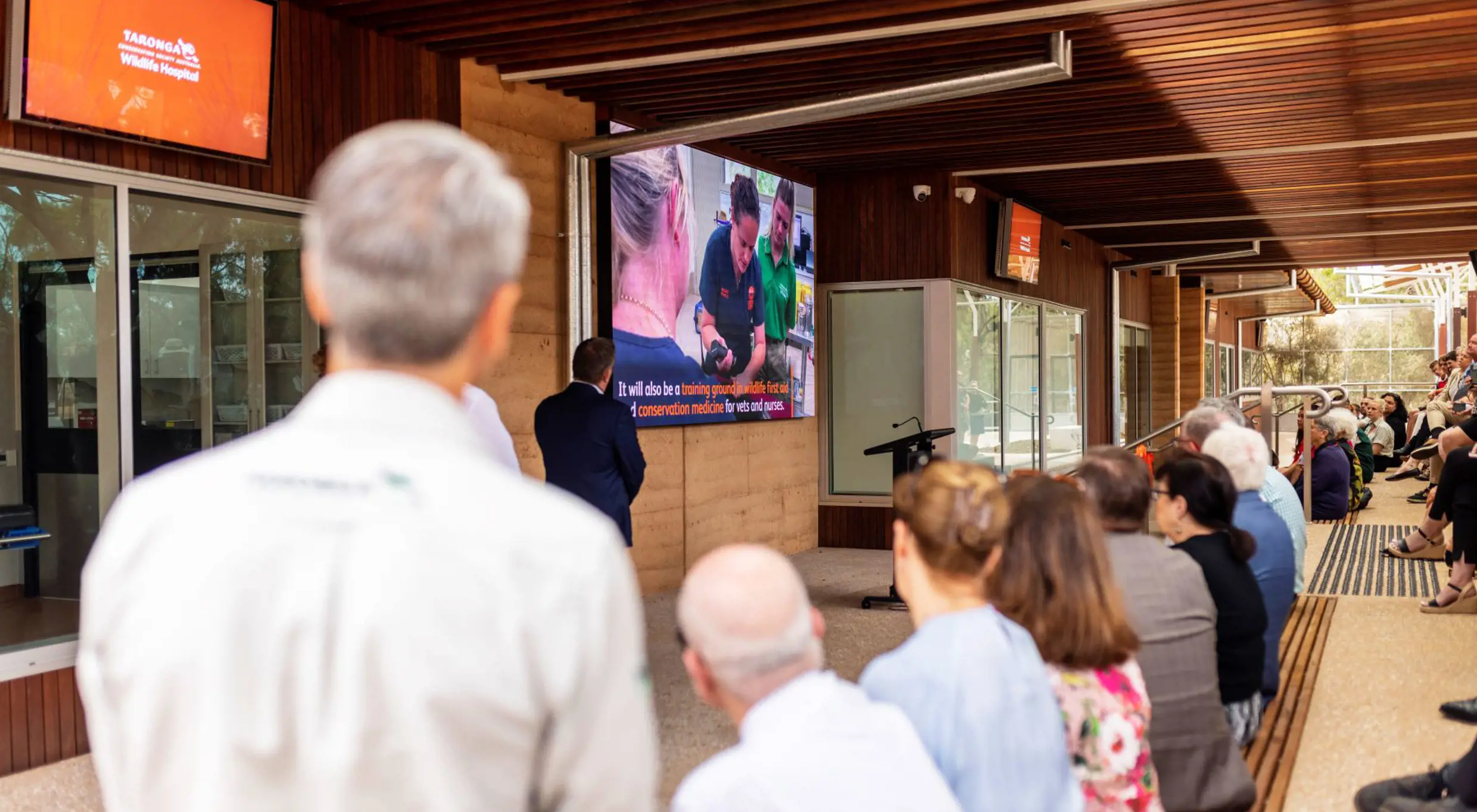
The new hospital has increased Taronga Western Plains Zoo’s capacity to treat and rehabilitate native wildlife, improve its ability to act as first responders in emergencies and play a pivotal role in conservation programs for critically endangered species such as Greater Bilbies, Plains-wanderers, Chuditch and Regent Honeyeaters.
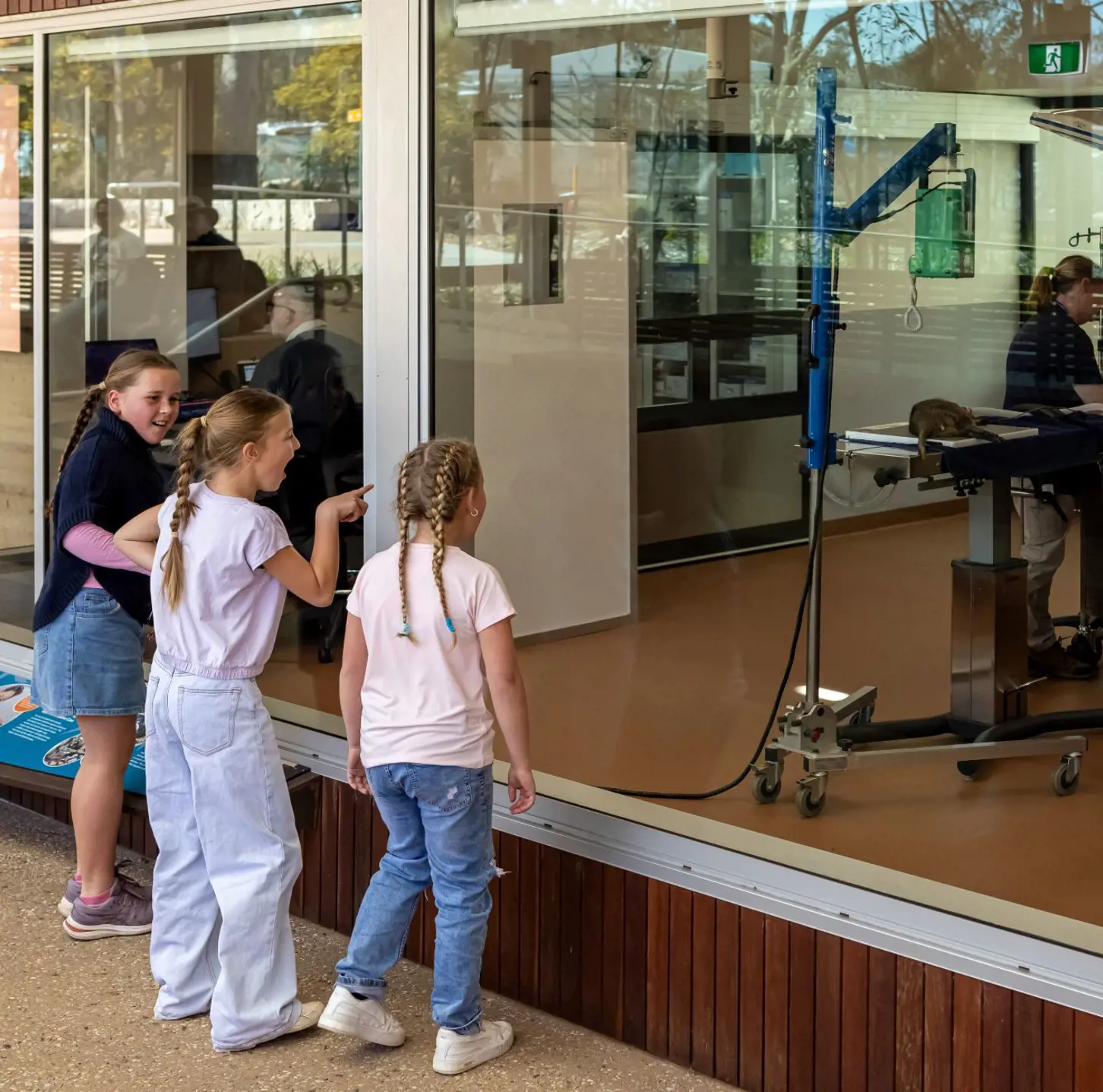
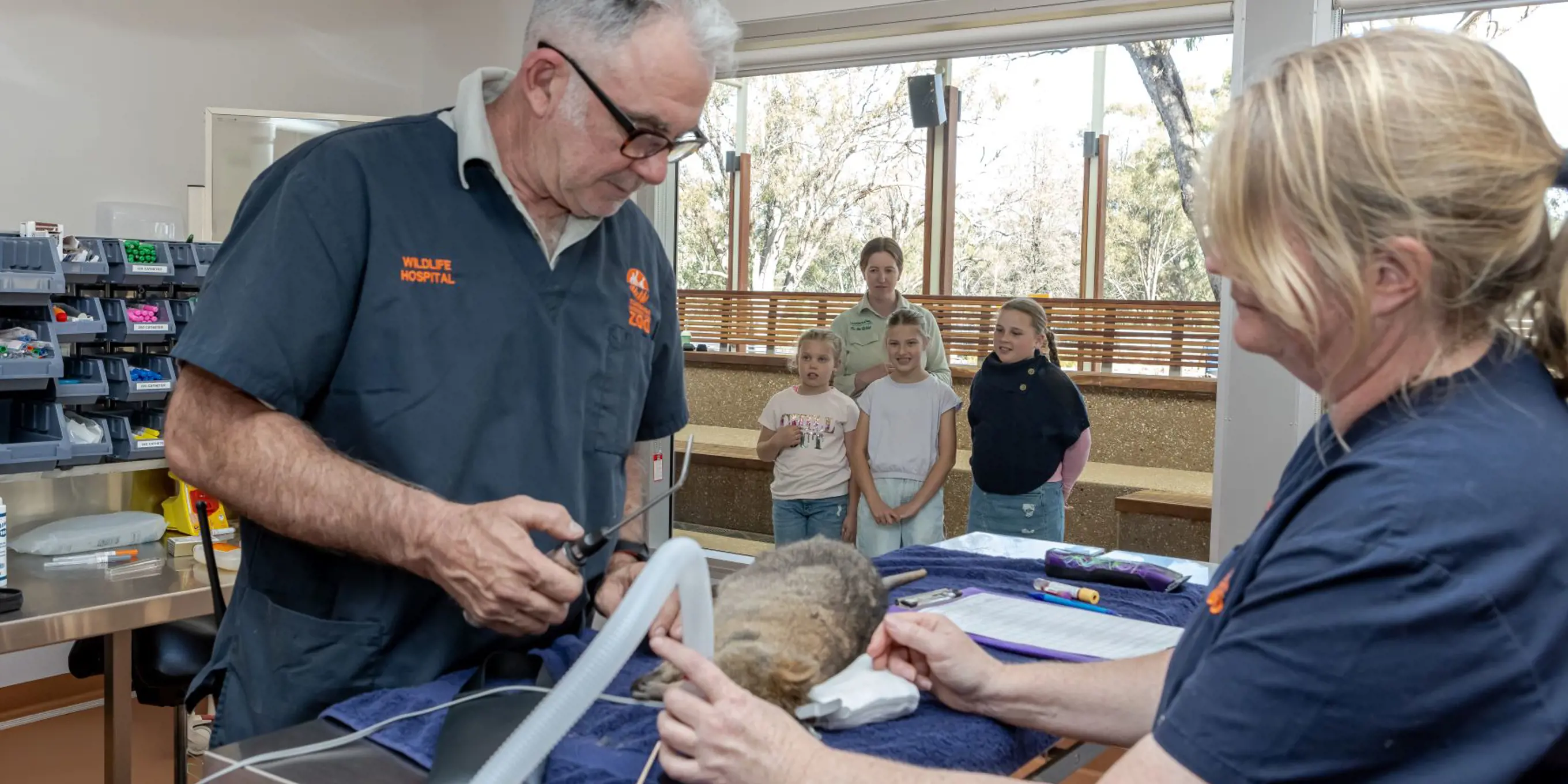
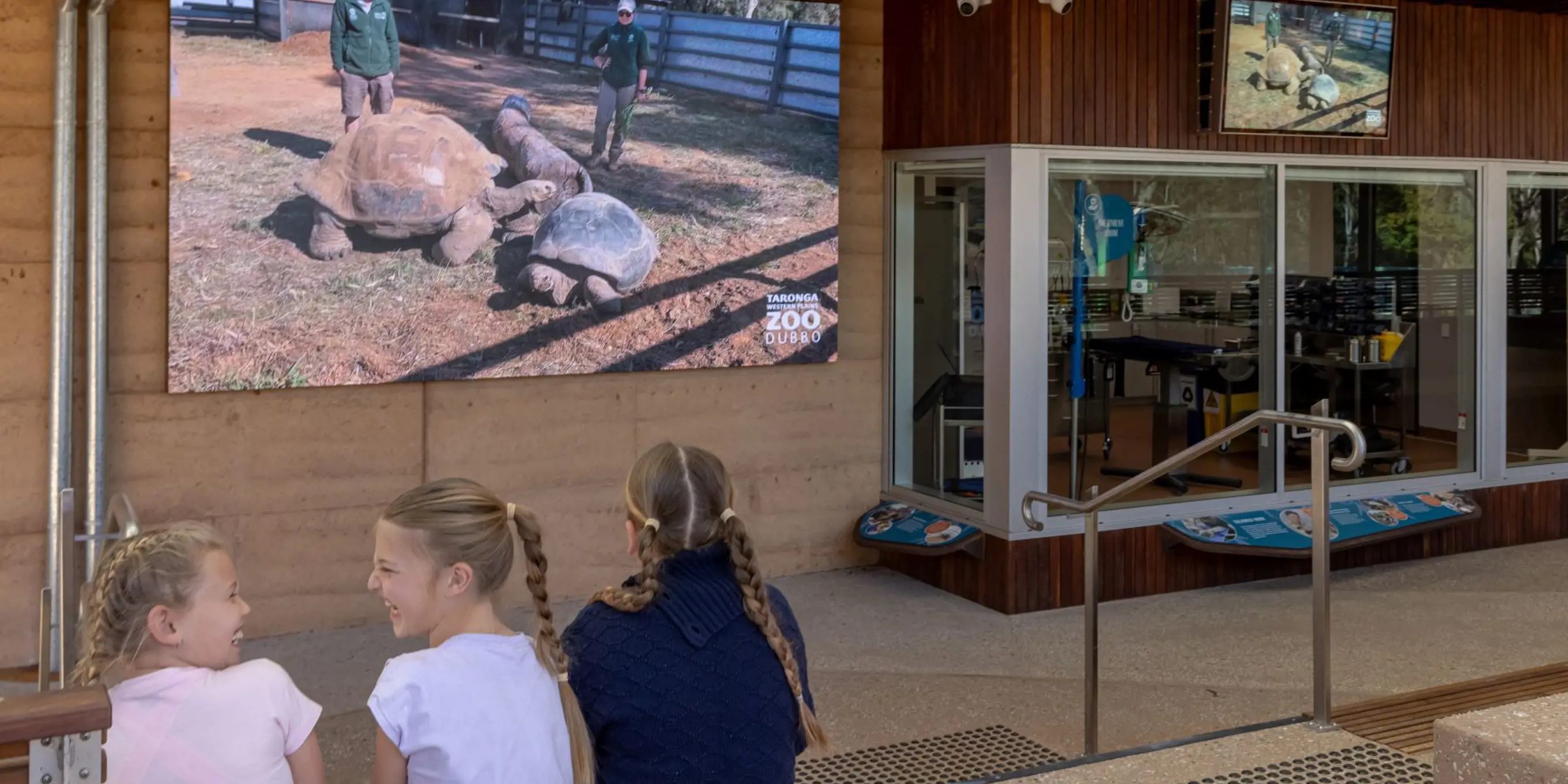
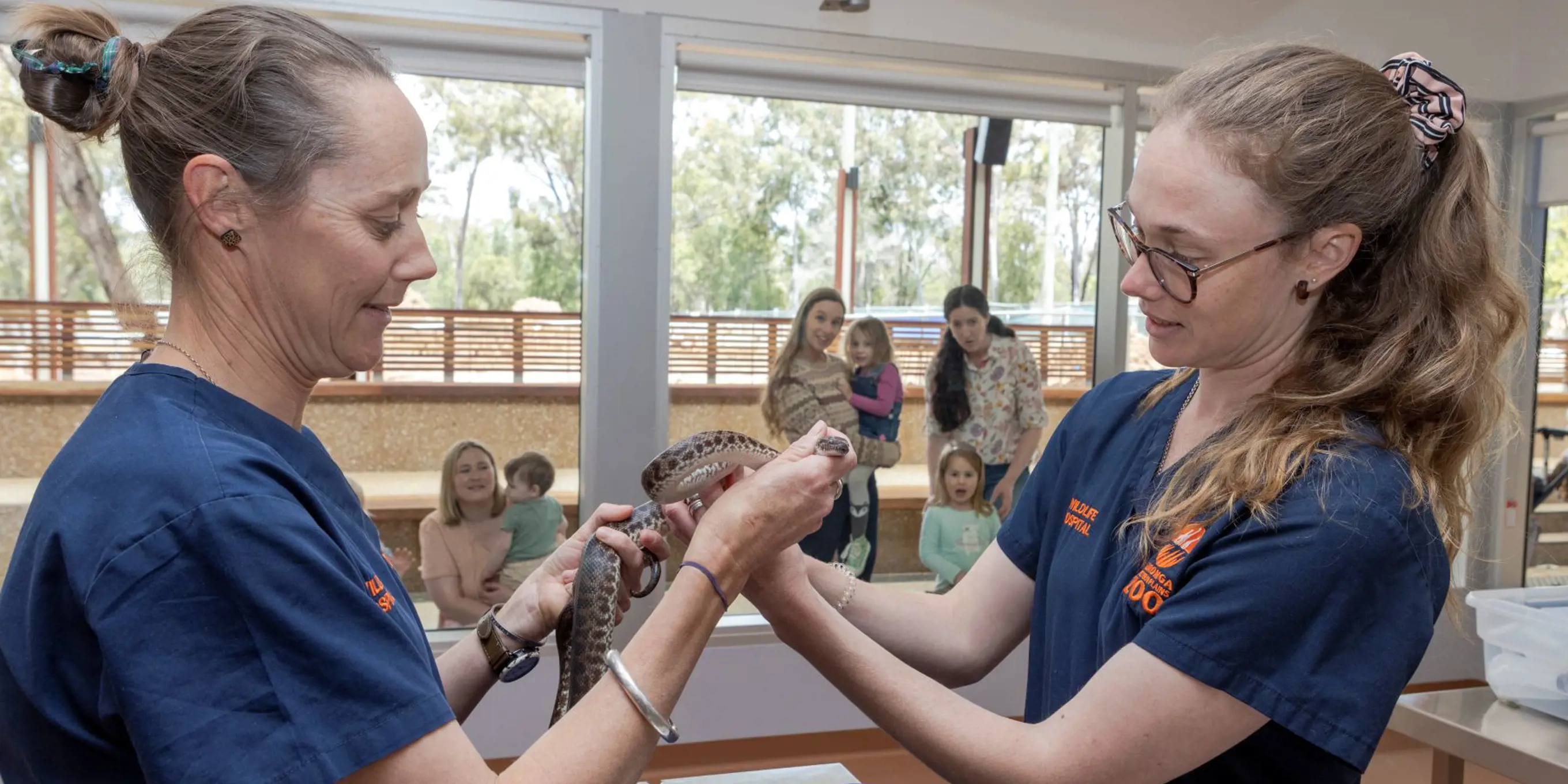
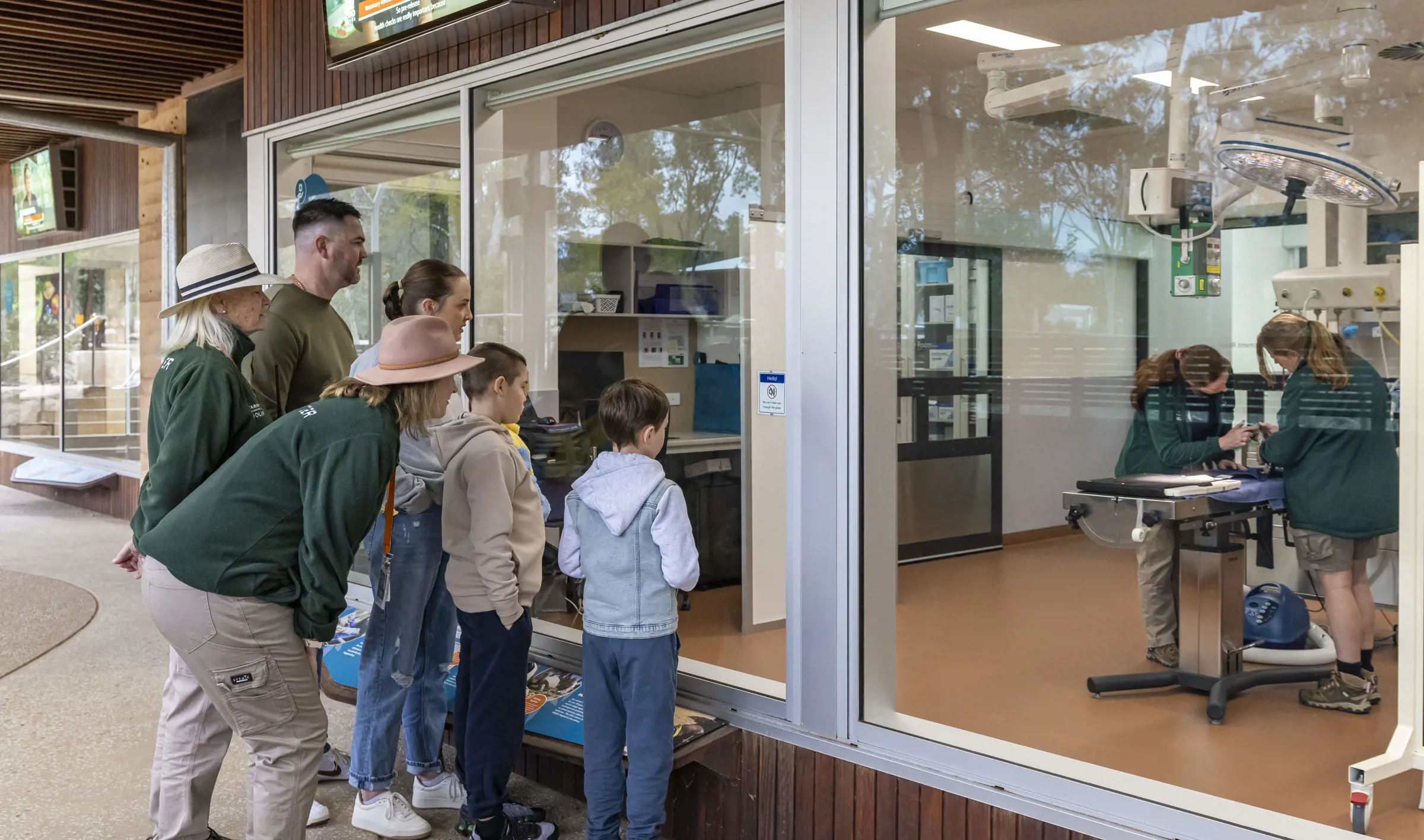
See firsthand how Taronga cares for an array of animals with previously ‘behind-the-scenes’ hospital activities now accessible to you and all guests to the Zoo. From animal check-ups to surgeries and procedures, you can now see it all as it takes place. Check out the schedule below to see what is happening at the Wildlife Hospital during your Zoo visit.*
| Date | Time | Procedure |
|---|---|---|
| No scheduled procedures | ||
*Please note – The Wildlife Hospital is a working hospital, and just like any hospital, emergencies happen. These may result in last minute changes to the schedule. On some days there may not be much on at the hospital as, for many animals in our care, their procedures need to happen at their habitats. You can still visit and explore the precinct.
**Start time may vary due to animal behaviour, we will endeavour to provide updates where possible.
We strongly recommend checking this page on the day of your visit for the most up to date information. Thank you for your understanding.
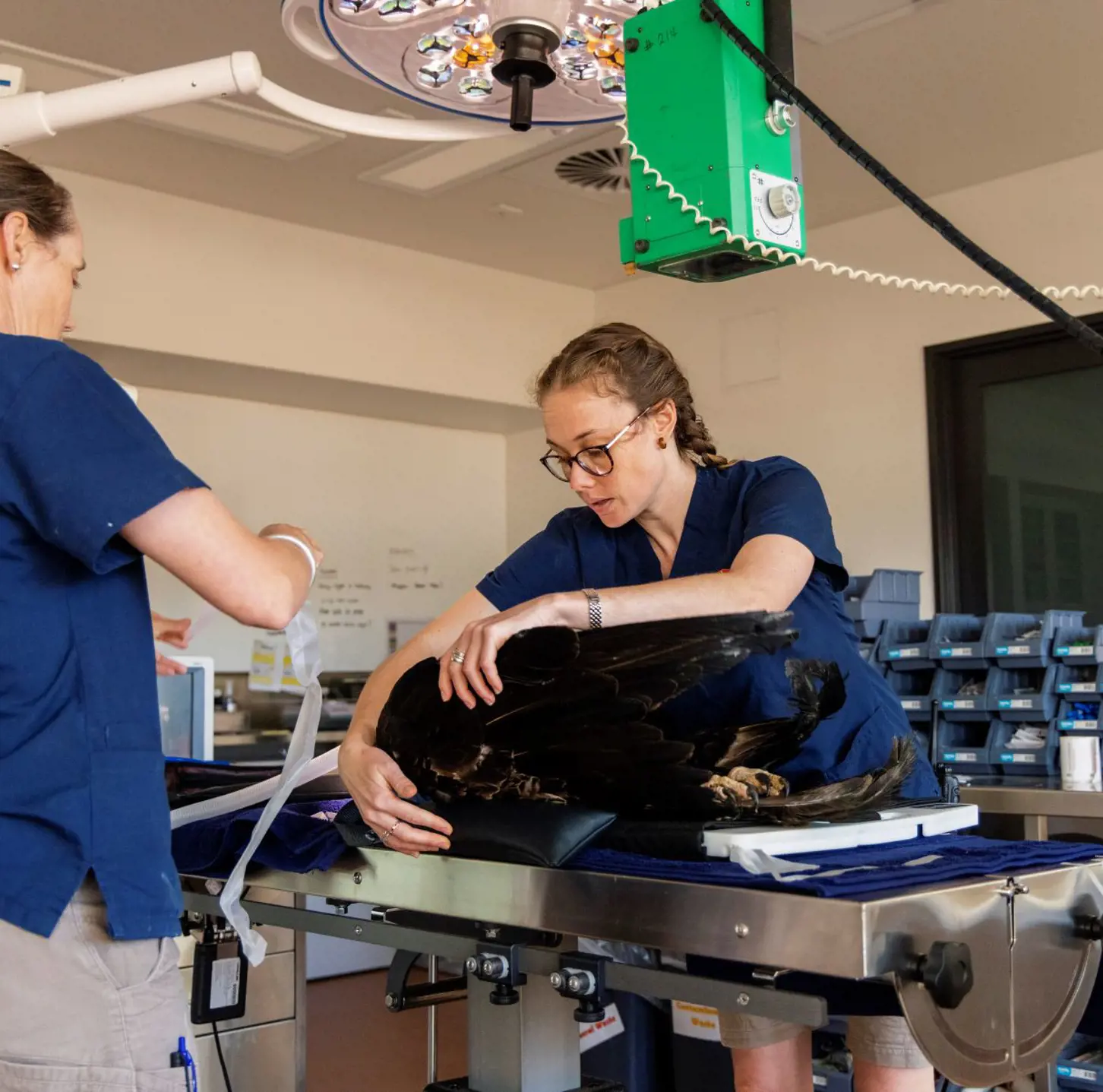
Each year, Taronga’s two Wildlife Hospitals receive more than 1,500 native wildlife cases in need of care, from raptors and Platypus through to Koalas and marine turtles.
See how our vets heal the wild as you go behind-the-scenes at the Taronga Wildlife Hospital.
There’s a lot more to the Taronga Wildlife Hospital than meets the eye. Led by our knowledgeable guide, you’ll venture behind the scenes to learn about how our vets treat creatures great and small, and how science is shaping the future of our conservation efforts.
Places are limited and bookings are essential. General admission tickets to Taronga Western Plains Zoo Dubbo must be purchased separately.

To discover how we heal the wild
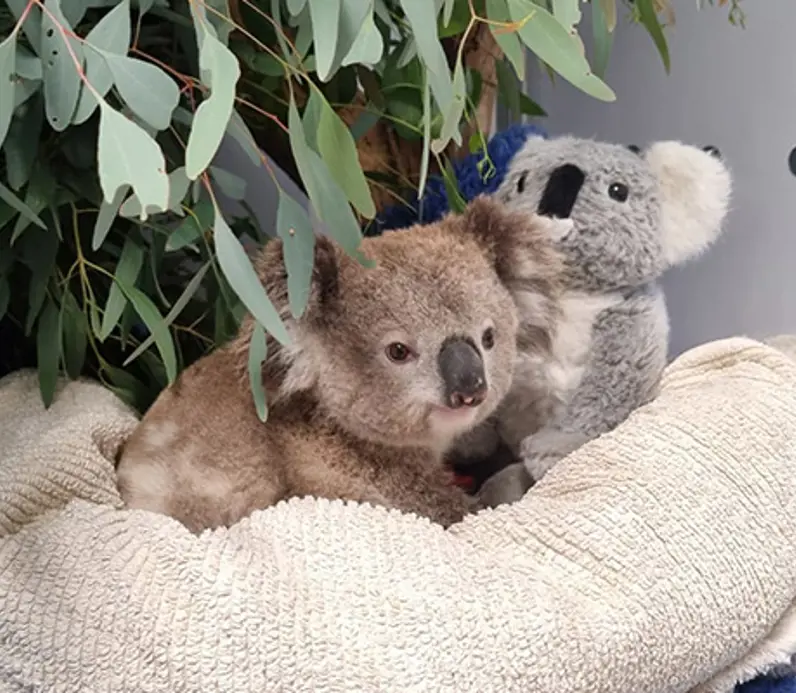
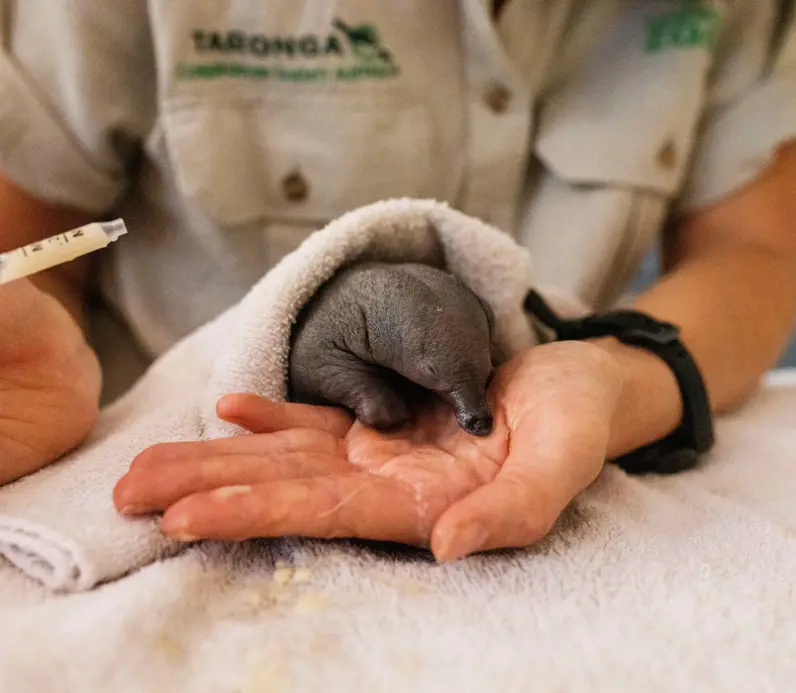
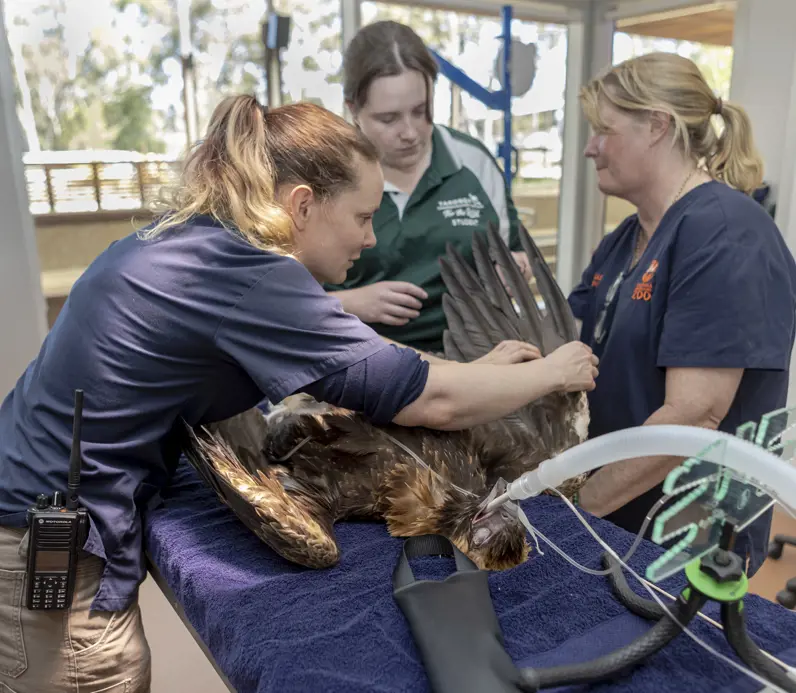
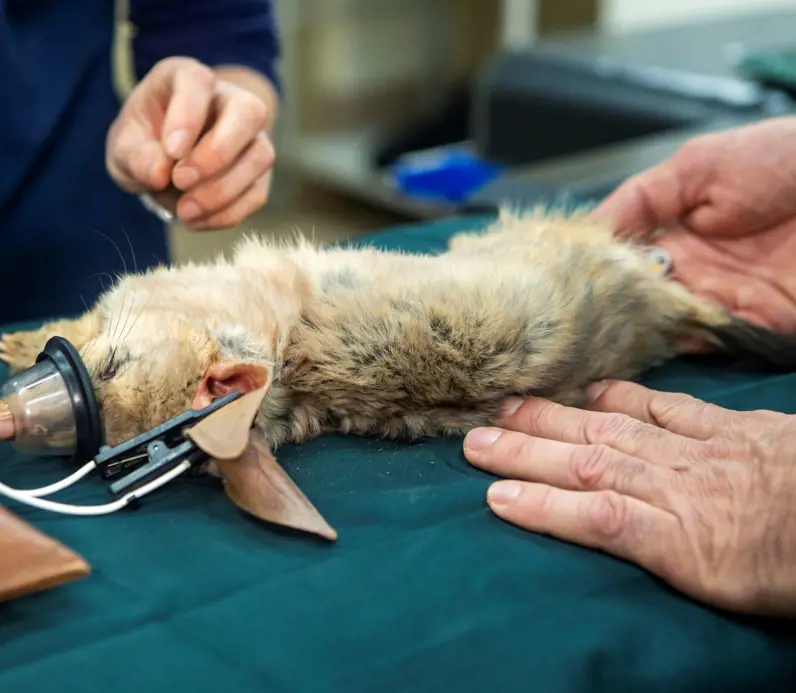
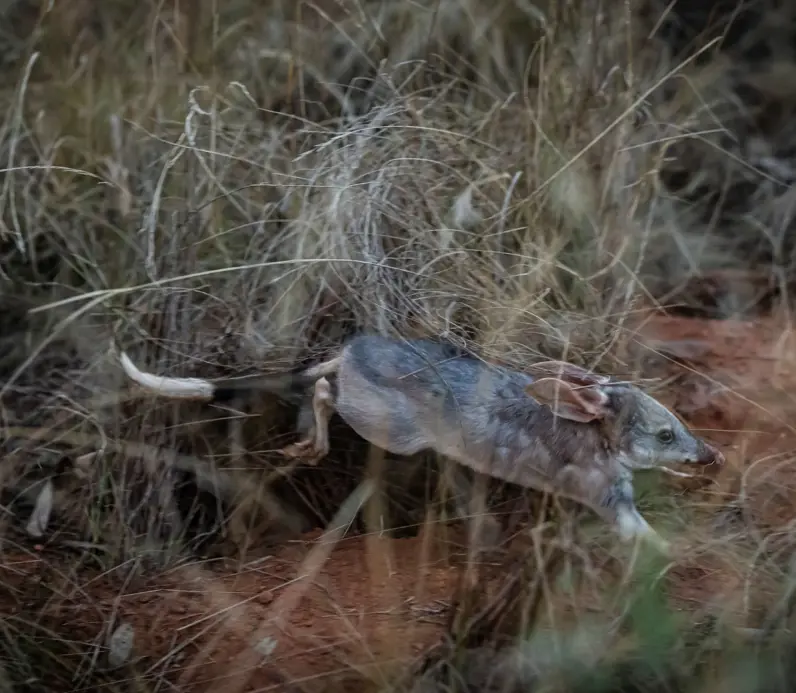
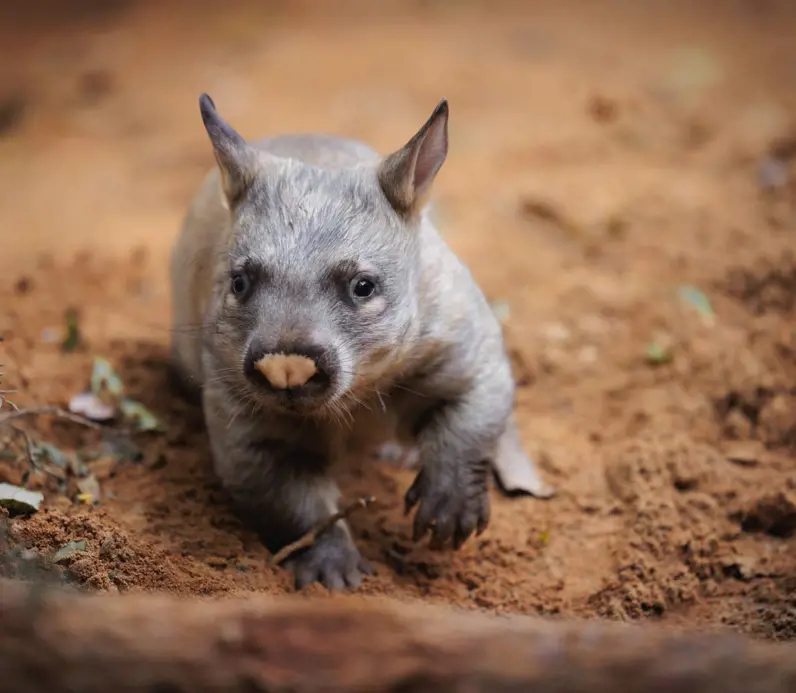
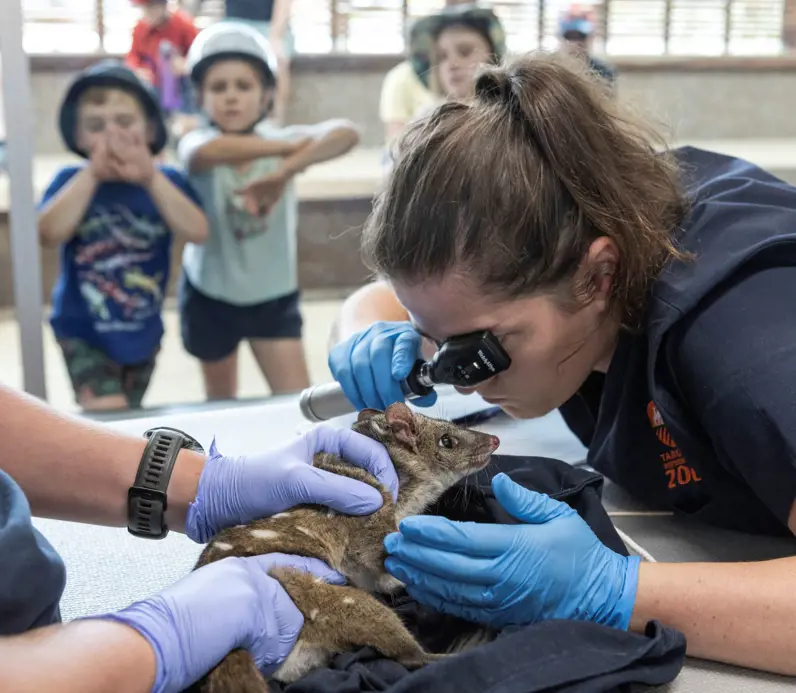
Sick and injured native animals like Koalas and raptors are often brought in for treatment from upwards of five hours away from where they were injured – a testament to how vital this facility is in a regional area like Dubbo.
The new Wildlife Hospital will increase capacity for treatment and rehabilitation, improve first response times, and provide specialised equipment to treat burns and dehydration. It also includes dedicated facilities for Koalas and a rehabilitation flight tunnel to help raptors and other birds prepare for release.
If you ever come across injured wildlife, it's best to follow these top tips.
Check for danger to yourself, others and the animal. Consider your own safety when approaching wildlife that may be injured. Be aware of ongoing danger from roadways, floodwaters and fallen trees and only attempt to rescue animals if it is safe to do so.
An animal may be semi-conscious and may rouse when you touch it. To protect yourself, wear gloves or use a towel or T-shirt to pick it up.
Avoid handling potentially dangerous animals, such as snakes, or animals that carry infectious diseases, like bats. Larger animals such as adult kangaroos or wombats can inflict injuries to people by kicking or biting. These animals should only be handled by trained wildlife rescuers.
Transporting animals, even short distances, can be very stressful for them. Help them stay calm by placing them in a cardboard box or pet carrier lined with soft towels. The box should be well ventilated, with air holes in its sides. Pet carriers should be covered with a towel to keep the animal in a darkened environment. If you find more than one animal, keep them in separate boxes. Place the box on the back seat or on the floor away from other passengers, ensuring it is secure and cannot tip over during transport. Keep the car warm (around 26 degrees) and quiet – turn off the music, try not to talk loudly and leave your pets at home.
Take the animal to the nearest Wildlife Hospital or veterinary clinic or contact a Wildlife Rescue group as soon as you can. If you cannot take the animal to a wildlife hospital immediately, keep it in a warm, quiet and dark place in your home off the floor and do not disturb it.
Although they look cute, it’s important to remember native wildlife are not pets. It’s unlikely they are used to human interaction. They will be stressed by being handled and do not know you are helping them.
Take note of any injuries or signs of illness. For example, was the animal limping, could it fly, or did you notice any bleeding when you found it. These observations are very helpful to the vets and nurses examining the animal on arrival at the hospital and can aid in its treatment.
Providing food for free-living native wildlife is generally not recommended as it can lead to serious, unintended harm. Additionally, if any animal needs treatment under anaesthetic it will need to have an empty stomach. If you must keep the animal overnight, you can leave a small shallow dish of water in its box but don’t force it to drink.
If an animal is not injured, it may be more appropriate to provide temporary respite or shelter to allow them to dry out and recuperate. Try to keep your distance from wildlife, refrain from offering food and keep household pets secure.
During spring and summer, baby birds who are learning to fly may be found on the ground or sitting low in trees and bushes as they perfect their flight skills. Unless the bird is in immediate physical danger (from pets or vehicle traffic for example), it is often best to keep your distance and observe to see if the parents are providing care to the youngster. Contact a Wildlife Hospital or Wildlife Rescue Group for advice if you are unsure if the bird needs assistance.
Use the Zoo Map to find precincts and pit stops and plan your route around the Zoo circuit.